
Case Background
A former factory worker filed a class action lawsuit against his employer, a California machine parts manufacturer, alleging a long pattern of wage theft and labor violations. The case was filed in the Superior Court of California, Los Angeles County, on May 9, 2022, and was assigned to Judge Kenneth R. Freeman in Department 14.
Cause
Plaintiff Daniel Matthews worked for Lusk Quality Machine Products, a California corporation that manufactured custom CNC turning and screw machining parts, from June 3, 2019, to February 9, 2021. Matthews worked as a non-exempt hourly employee. During his employment, he alleged that the company routinely required workers to perform tasks before and after their scheduled shifts without pay, forced them to work through meal breaks, denied them rest periods, manipulated time records to erase overtime hours, and failed to reimburse them for work-related expenses such as uniforms and personal cell phone use.
Injury
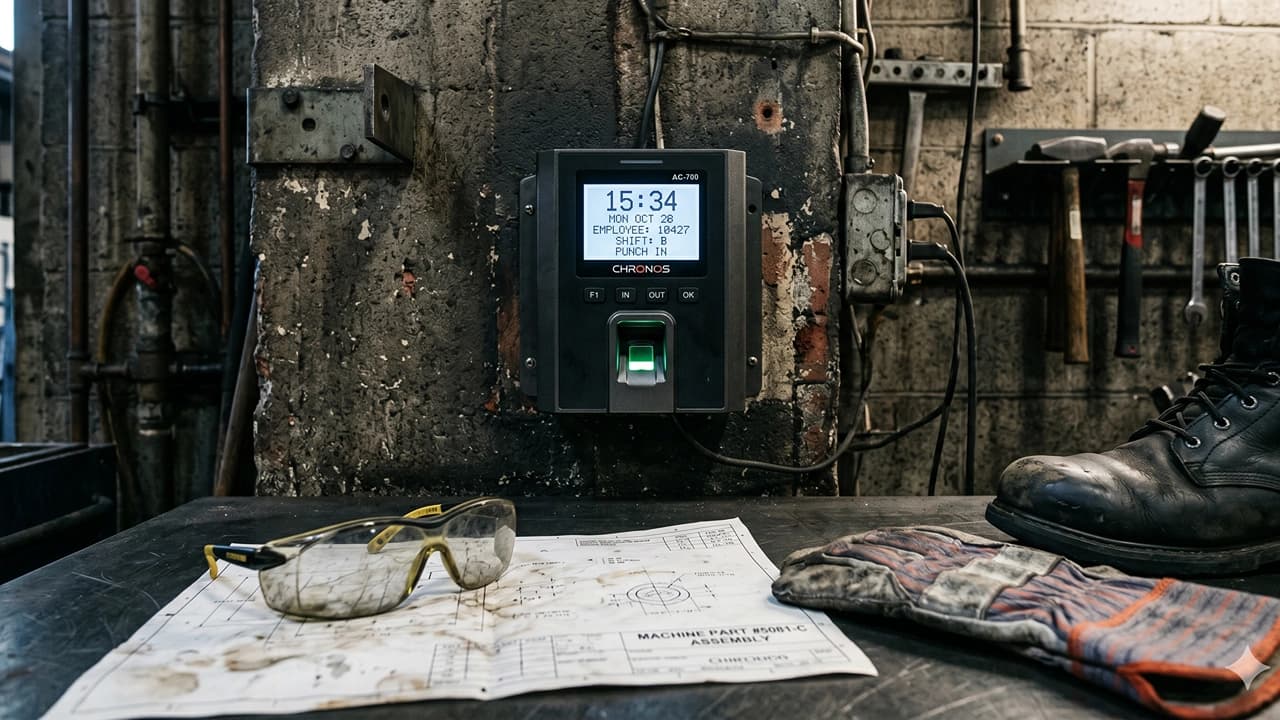
Matthews and the class members alleged they suffered financial losses due to unpaid wages, missed meal and rest break premiums, inaccurate wage statements, and unreimbursed business expenses. The company allegedly used a timekeeping system that managers could alter, which allowed them to delete actual hours worked and insert fictitious 30-minute meal breaks that employees never actually took. Workers were also required to put on safety gear, including oil-resistant shoes, safety glasses, gloves, face masks, and ear plugs before clocking in, and that time went uncompensated. During the COVID-19 period, employees were also required to wait in line for temperature checks before clocking in, also without pay.
Damages Sought
Matthews sought compensation for unpaid minimum wages, unpaid overtime, missed meal and rest break premiums, inaccurate wage statement penalties, unreimbursed expenses, and waiting time penalties for employees whose employment ended without receiving full pay. He also brought claims under California's Private Attorneys General Act (PAGA), seeking civil penalties on behalf of the state.
Key Arguments and Proceedings
Legal Representation
Plaintiff: Daniel Matthews, an individual, on behalf of himself and all similarly situated current and former employees of Lusk Quality Machine Products.
· Counsel for Plaintiff: Nicole Barvié
Defendant: Lusk Quality Machine Products, a California corporation.
· Counsel for Defendant: Steven Douglas Eheart
Key Arguments or Remarks by Counsel
Plaintiff's counsel argued that Lusk Quality Machine Products ran a company-wide policy that systematically shorted workers on pay. The complaint described the timekeeping system as deliberately designed to be changeable so that management could alter employee time records, wipe out overtime hours, and create the appearance of meal breaks that never happened. Counsel also argued that paying sick leave at base pay rates rather than the regular rate of pay, which includes bonuses and incentive pay, further underpaid workers. Counsel for the Plaintiff maintained that these practices were not isolated incidents but a uniform company policy that affected every class member equally.
Claims
Unfair Business Practices
Matthews argued that the company's wage practices violated California's Unfair Competition Law. By failing to pay workers for all time worked and denying mandatory breaks, the company gained an unfair advantage over competitors who followed the law.
Failure to Pay Minimum and Overtime Wages
The complaint alleged that the company did not pay workers for time spent donning safety equipment, waiting for COVID-19 temperature checks, and working during what were recorded as meal breaks. Time records were altered to remove overtime hours, meaning workers regularly received less pay than the law required.
Failure to Provide Meal and Rest Periods
Workers frequently worked more than five hours without a meal break. When breaks were recorded in the system, employees were often still on duty or interrupted by work tasks. The company also barred workers from leaving the premises during rest periods, which the complaint described as a violation of California law requiring employees to be free from employer control during breaks.
Inaccurate Wage Statements
Because the time records did not reflect actual hours worked, the wage statements employees received also did not show correct gross wages, overtime pay, or missed break premiums, in violation of California Labor Code Section 226.
Failure to Reimburse Expenses
Workers were required to buy their own uniforms and use personal cell phones for work tasks. The company did not reimburse them for either expense.
Failure to Pay Wages Upon Termination
When employees left or were let go, the company did not promptly pay all wages owed, triggering waiting time penalty claims under California law.
PAGA Claims
Matthews also brought a representative action under PAGA, filing the required notice with the California Labor and Workforce Development Agency on February 4, 2022. Under this claim, he sought civil penalties on behalf of the state for the same violations.
Settlement
The parties reached a class action and PAGA settlement before trial. The gross settlement amount was $365,000. After deductions, the full net settlement amount of $365,000 was to be distributed to the 153 participating class members on a non-reversionary basis, meaning any unclaimed funds would not return to the Defendant.
From the gross amount, the Court was asked to approve attorney's fees of $121,666.65, representing 33.3% of the total settlement, along with litigation costs of $12,888.93 for Barvié Law, APC. Settlement administration costs of $6,750 were to be paid to ILYM Group Inc.
Named Plaintiff Daniel Matthews received a service payment of $10,000 in recognition of his role in bringing the case and participating in the litigation. A separate $10,000 was allocated for PAGA penalties, with $7,500 going to the California Labor and Workforce Development Agency and $2,500 distributed among employees who worked during the PAGA period.
The preliminary approval order was issued on July 3, 2024. The final approval hearing was set for October 29, 2024, in Department 14 of the Los Angeles Superior Court.
Court documents are available upon request at [email protected]