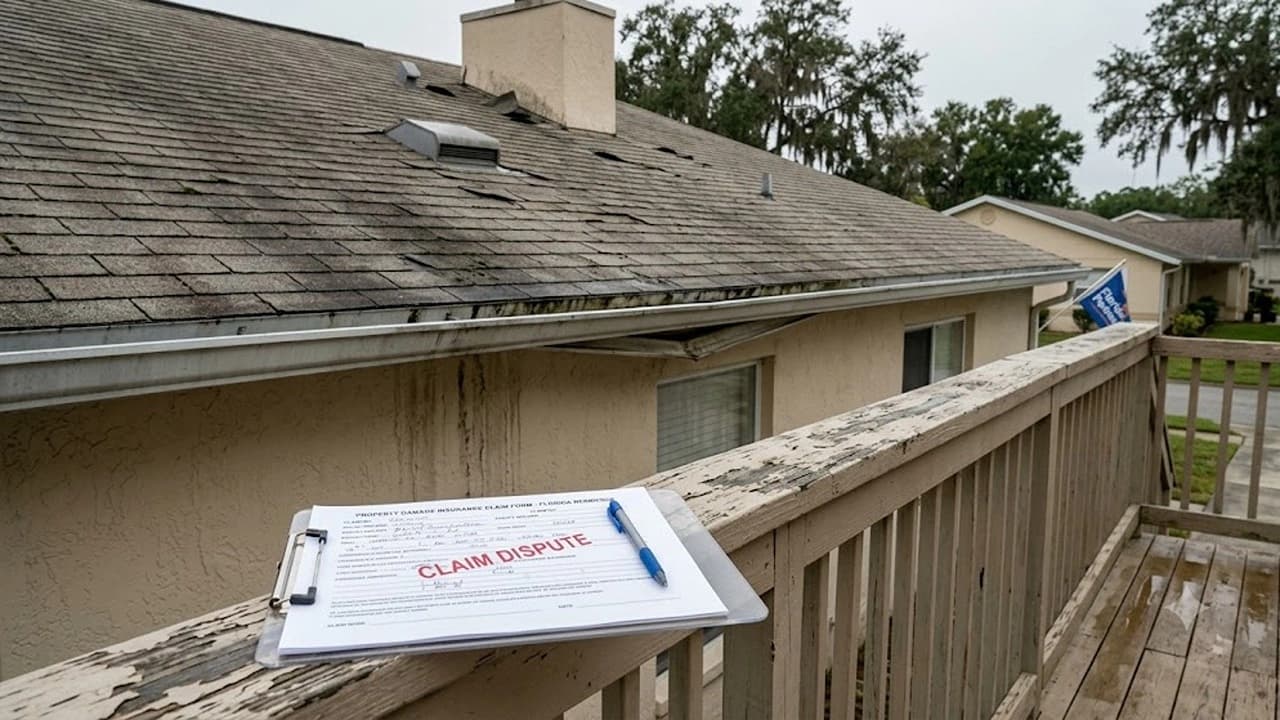

Case Background
Mitchell Hara brought this lawsuit against the cannabis company Curaleaf, Inc., after the firm terminated him and refused to pay his severance. The two parties had signed an executive employment agreement on August 2, 2022, which guaranteed Hara specific payments if he lost his job without a valid reason. However, when Curaleaf fired Hara on May 26, 2023, the company claimed it had "cause" to do so, effectively cutting off his right to those benefits.
Cause
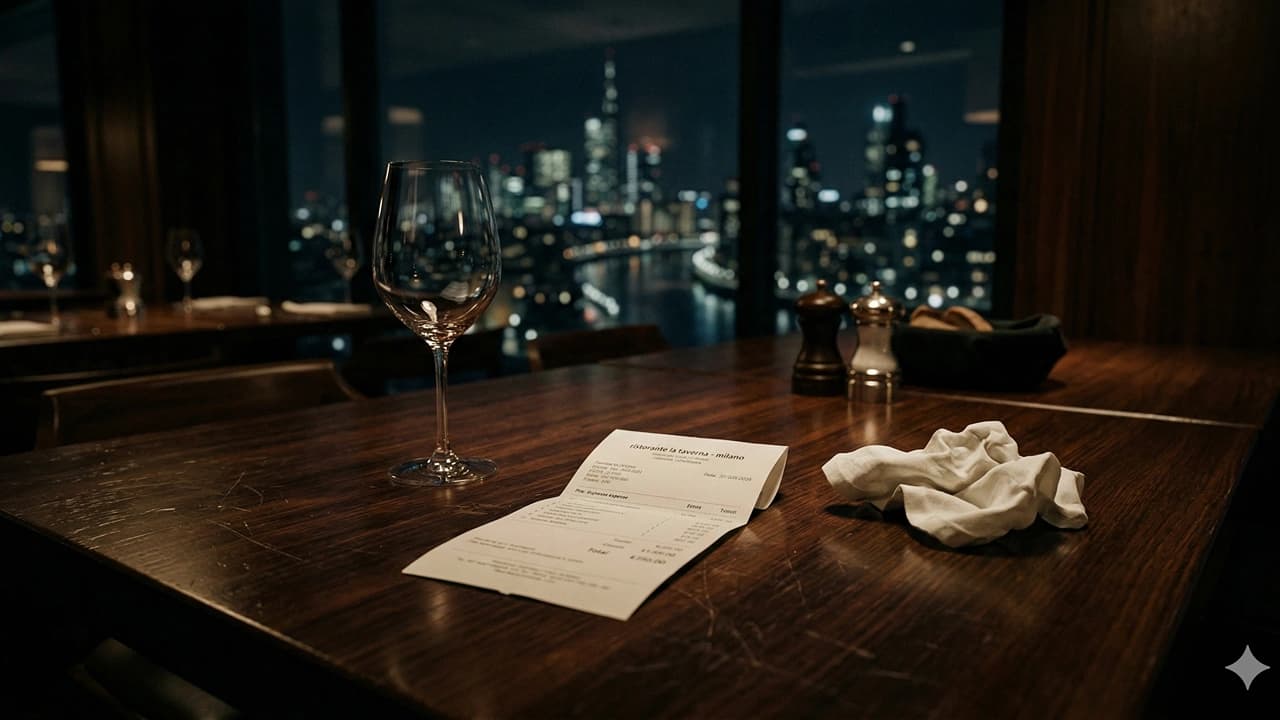
The dispute centered on an investigation Curaleaf launched regarding a dinner at the Carbone restaurant in Miami. The company scrutinized an expense voucher Hara submitted for that meal and eventually used the incident as the primary reason for his dismissal. Hara argued that the investigation was a sham designed to save the company money during a public cost-cutting campaign.
Injury
Because Curaleaf classified his firing as being "for cause," Hara lost his eligibility for the severance package promised in his contract. He claimed this was a breach of both the written agreement and the implied duty of good faith that businesses owe their employees.
Damages Sought
Hara asked the Court for more than $1,000,000 in damages, plus interest and legal fees, to cover the unpaid severance he believed he had earned.
Key Arguments and Proceedings
The case began in a Florida state Court in August 2023 before Curaleaf moved it to federal Court in September. Throughout the proceedings, the legal teams debated whether Hara’s actions at the Miami dinner actually met the strict legal definition of "cause" required to void his severance.
Legal Representation
Plaintiff(s): Mitchell Hara
· Counsel for Plaintiff(s): Scott W. Atherton | Brittany A. Tarazona
Defendant(s): Curaleaf, Inc.
· Counsel for Defendant(s): Joseph J. Torres | Katherine M. Funderburg | Carlos J. Burruezo | Kelly Marie Pena | Philip Richard Marchion | Colby Jackson Ellis
Key Arguments or Remarks by Counsel
Claims
Hara’s lawyers argued that Curaleaf failed to conduct a fair or reasonable investigation into the Carbone dinner. They contended that the company had looked for any excuse to fire him to avoid paying a large exit package during a period of corporate downsizing.
Defense
Curaleaf’s defense team maintained that they had acted within their rights. They argued that Hara’s conduct surrounding the expense voucher violated specific sections of his employment agreement, which gave them the legal authority to terminate him for cause and withhold severance.
Jury Verdict
On January 22, 2026, the jury reached a decision that largely favored Mitchell Hara. The jurors concluded that Curaleaf did not conduct a reasonable investigation into the Miami dinner and the related expense voucher. Furthermore, they found that classifying Hara’s firing as "for cause" went against what a person would reasonably expect when signing such a contract.
The Court entered a final judgment the following day. Based on the jury’s findings and an earlier agreement between the parties regarding the math, the judge ordered Curaleaf to pay Hara $598,026.04. This amount also included interest to compensate him for the time he spent without his severance. The judge then closed the case, officially ending the legal battle in Hara's favor.
Court documents are available upon request at [email protected]