
Case Background
On April 24, 2018, Charles Walsh walked along Charter Oak Avenue in Hartford, Connecticut. He lived nearby and often used the street as part of his daily routine. That day, as he stepped from the sidewalk into the roadway near the “On the Go” convenience store and Capital Spirits Package Store, he suddenly lost his footing. His right foot slipped on a patch of leaves and debris that covered a sewer grate. The clutter concealed the grate’s gaps, and Walsh’s foot became trapped. He fell hard, twisting his ankle and crashing onto the pavement.
Walsh claimed he fractured his right ankle and required ambulance transport to Hartford Hospital. In the weeks that followed, he endured pain, medical treatment, and reduced mobility. His attorneys filed suit against both the City of Hartford and the State of Connecticut, accusing them of failing to maintain the roadway in a safe condition.
The lawsuit was filed in March 2020 in the Hartford Judicial District Superior Court. Walsh’s claims rested on Connecticut’s defective highway statutes, which hold towns and the state responsible for dangerous conditions on public roads if proper notice is given. He argued he had given such notice and that the City and State neglected their duties.
Cause
Walsh’s complaint alleged that debris and leaves accumulated over the sewer grate for an unreasonable length of time. This created a trap that pedestrians could not anticipate. He argued the City and State either knew or should have known about the hazard and had enough time to fix it.
The City of Hartford, however, denied that it was negligent. In its formal answer, the City admitted it received Walsh’s notice of claim but rejected liability. It argued that Walsh could not prove the City created the condition, knew of it, or failed to act within a reasonable time to address it.
Injury
The fall left Walsh with a fractured right ankle. He described severe pain, swelling, and difficulty walking. Doctors placed his foot in a cast, and he underwent follow-up care, including x-rays, therapy, and medications. Walsh also reported emotional distress, frustration, and anxiety because of his ongoing limitations.
He said he could no longer carry out everyday activities with ease. His work and personal routines were disrupted, and he felt his enjoyment of life had been diminished.
Damages
Walsh sought money damages exceeding $15,000. His demand covered medical bills, diagnostic testing, therapy, and continuing care. He also claimed lost income because his injuries prevented him from working for a period of time. Beyond financial losses, he asked compensation for pain, suffering, and permanent impairment.
Legal Representation
Plaintiff: Charles Walsh
· Counsel for Plaintiff: R.J. Weber III
Defendant: City of Hartford
· Counsel for Defendant: Jonathan H. Beamon
Claims Asserted
Walsh’s lawyers argued that the City of Hartford was responsible for keeping Charter Oak Avenue reasonably safe. They described the sewer grate as a hidden trap because debris disguised its presence. According to them, Walsh acted with reasonable care, and no pedestrian could have expected that stepping on what looked like a flat patch of roadway would result in a foot being caught.
They emphasized that the dangerous condition had existed long enough that city workers should have noticed and corrected it. By failing to remove the debris or cover the grate properly, the city allowed the roadway to become unsafe for lawful users.
Defense Arguments
The City of Hartford, through its attorneys, firmly denied liability. It argued that Walsh could not prove the City had actual or constructive notice of the condition. Without proof that the city knew about the debris and had reasonable time to act, the law would not hold it responsible.
The city also suggested that Walsh bore responsibility for his own fall. Defense attorneys hinted that Walsh might not have been watching his step or taking reasonable precautions. They stressed that municipal governments are not insurers against every accident and that not every uneven or debris-covered roadway makes the city liable.
The State of Connecticut was also named in the lawsuit under a separate defective highway statute, but the main jury focus centered on the City of Hartford’s responsibility.
Jury Verdict
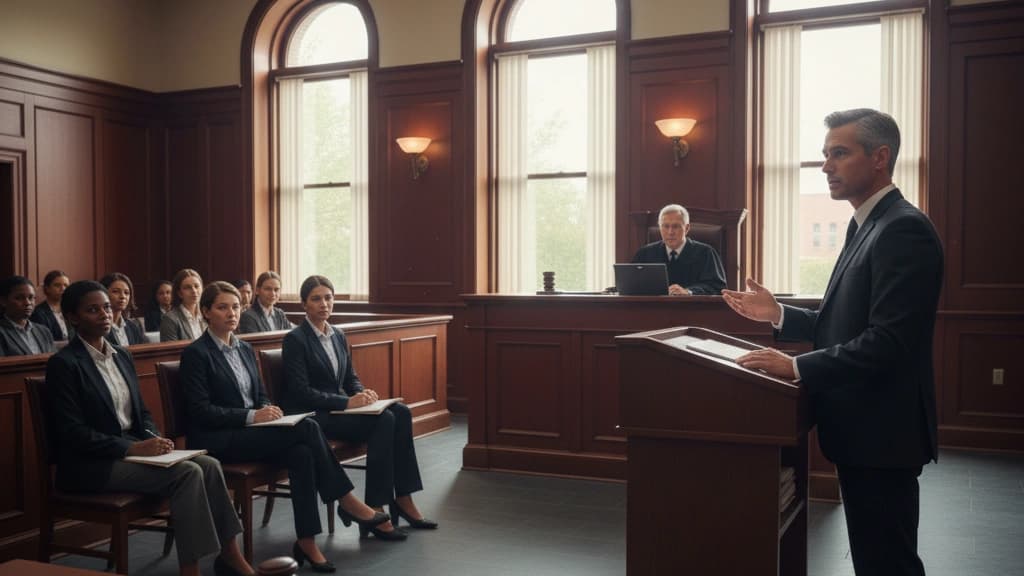
On May 1, 2024, after years of motions and discovery, the case went before a Hartford jury. The jurors listened to testimony, weighed the evidence, and ultimately sided with the city.
The jury found for the Defendant, ruling that the City of Hartford was not liable for Walsh’s injuries. They awarded no damages.
For Walsh, the outcome was disappointing. After years of litigation, he left the courtroom without compensation for his fractured ankle, medical bills, or pain and suffering. For the City, the verdict confirmed its stance that it had not been negligent in maintaining Charter Oak Avenue.