

Case Background
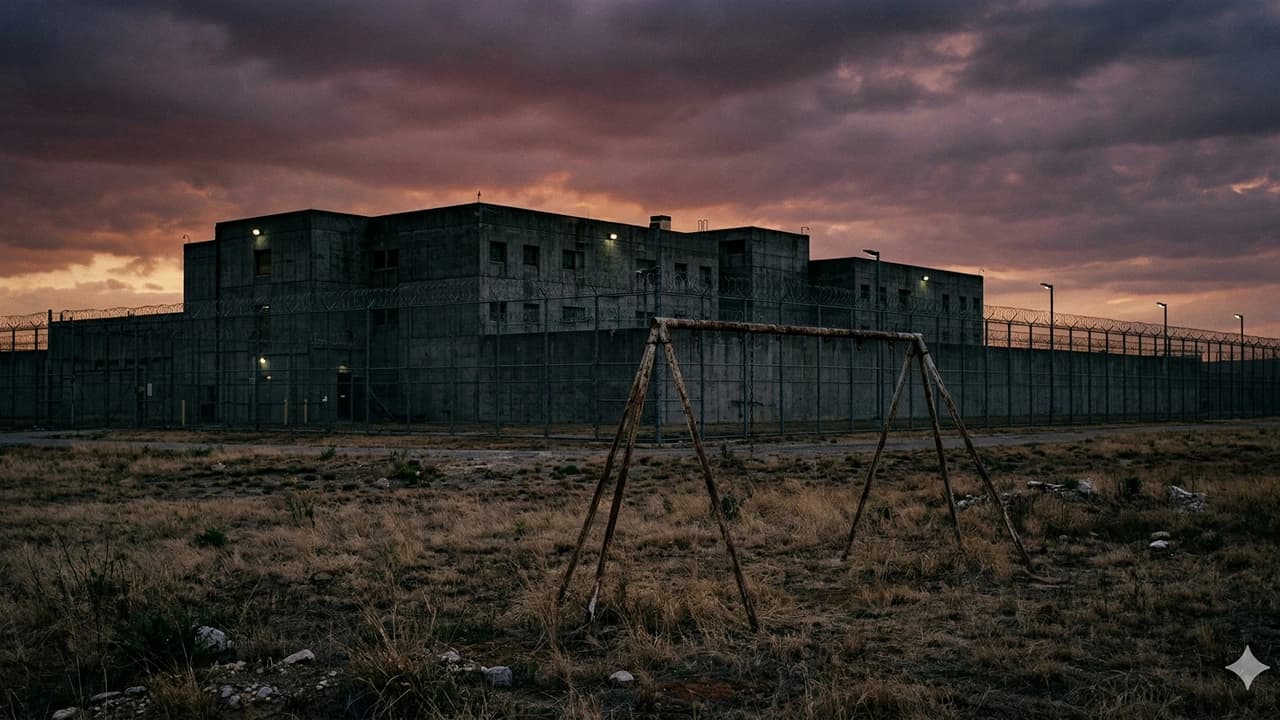
A group of nineteen women, identified by pseudonyms such as Jane BP1-B Doe, filed a lawsuit against the County of Los Angeles and several of its probation officers. The Plaintiffs had been held as minors in various juvenile detention facilities managed by the County’s Probation Department, including Camp Joseph Scott and Camp Kenyon Scudder. They alleged that during their time in custody, they suffered horrific sexual abuse and harassment at the hands of the very officers assigned to protect them. The legal action followed the enactment of California Assembly Bill 218, which opened a temporary window for survivors of childhood sexual assault to seek justice even if the original deadlines had passed.
Cause
The core of the case centered on the repeated and systemic sexual victimization of juvenile females by Deputy Probation Officers. The Plaintiffs stated that these officers used their positions of absolute authority to coerce and assault them. They alleged that the County had known about the predatory behavior of its employees but failed to take corrective action, essentially tolerating an environment where such abuse could thrive.
Injury
The survivors reported a range of severe physical and psychological injuries. The abuse included rape, forced sexual acts, and constant sexual harassment. These experiences led to long-term trauma, including extreme emotional distress, anxiety, depression, and a permanent impact on their ability to lead normal lives. The Plaintiffs also noted that their injuries extended to a loss of educational and professional opportunities.
Damages Sought
The Plaintiffs sought various forms of financial compensation for the harm they endured. This included "economic damages" to cover the costs of past and future mental health treatment and loss of earnings. They also requested "non-economic damages" for their pain, suffering, and emotional anguish. Additionally, the lawsuit demanded punitive damages to punish the responsible parties and attorney's fees.
Key Arguments and Proceedings
The legal battle moved through the Superior Court of California in Los Angeles under Judge Lawrence P. Riff. The proceedings involved detailed descriptions of the alleged abuse and the County's administrative failures.
Legal Representation
Plaintiff(s): Nineteen women identified as Jane Does.
· Counsel for Plaintiff(s): John C. Manly | Courtney M. Thom | Gregory A. Yates
Defendant(s): The County of Los Angeles (referred to as DOE 1) and several individual probation officers.
· Counsel for Defendant(s): Andrew Baum | James Sargent | Rob Lee
Key Arguments or Remarks by Counsel
The Plaintiffs' legal team argued that the County stood in loco parentis, meaning it had a legal duty to act as a parent toward the children in its care. They contended that by hiring and failing to supervise known predators, the County breached this fundamental duty. The defense, representing the County, filed a general denial of all allegations. They argued that they were not liable for the actions of the officers and raised several affirmative defenses, including the claim that the Plaintiffs failed to state facts sufficient to support a cause of action.
Claims
The lawsuit included twelve distinct legal claims against the Defendants. These ranged from direct accusations of sexual assault and battery to broader claims of negligence. The Plaintiffs alleged "Negligent Supervision" and "Negligent Hiring," arguing that the County failed to properly vet and monitor its staff. They also claimed "Constructive Fraud," asserting that the County misled them into believing they were in a safe environment. Other claims included violations of the Unruh Civil Rights Act and the Bane Act, which protect individuals from discrimination and violence.
Defense
The County of Los Angeles responded with a firm denial of all charges. In their legal answer, they stated they were not responsible for any of the alleged incidents and that they had not violated the rights of the Plaintiffs. They further argued that even if any harm occurred, it was not the result of the County's policies or lack of oversight.
Jury Verdict
The case did not reach a final jury verdict because the parties reached a settlement. On October 28, 2025, a "Notice of Settlement of Entire Case" was filed with the Court. This notice confirmed that the legal dispute between the nineteen Jane Does and the County of Los Angeles had been resolved. While the specific financial terms were not disclosed in the notice, the settlement effectively ended the litigation for all parties involved.
Court documents are available upon request at [email protected]