
Case Background
The legal battle began after a tragic accident at a Minnesota gas station left a man with a life-altering injury. On March 4, 2022, Jeffrey Wu pulled his 2014 Jeep Grand Cherokee up to a fuel pump at a Kwik Trip in Lakeville. He shifted the vehicle into what he believed was the "park" position, stepped out, and began pumping gasoline. Suddenly, the SUV slipped out of its gear and rolled backward. The heavy vehicle struck Mr. Wu and rolled over his left leg, crushing it so severely that doctors later had to perform an amputation.
Cause
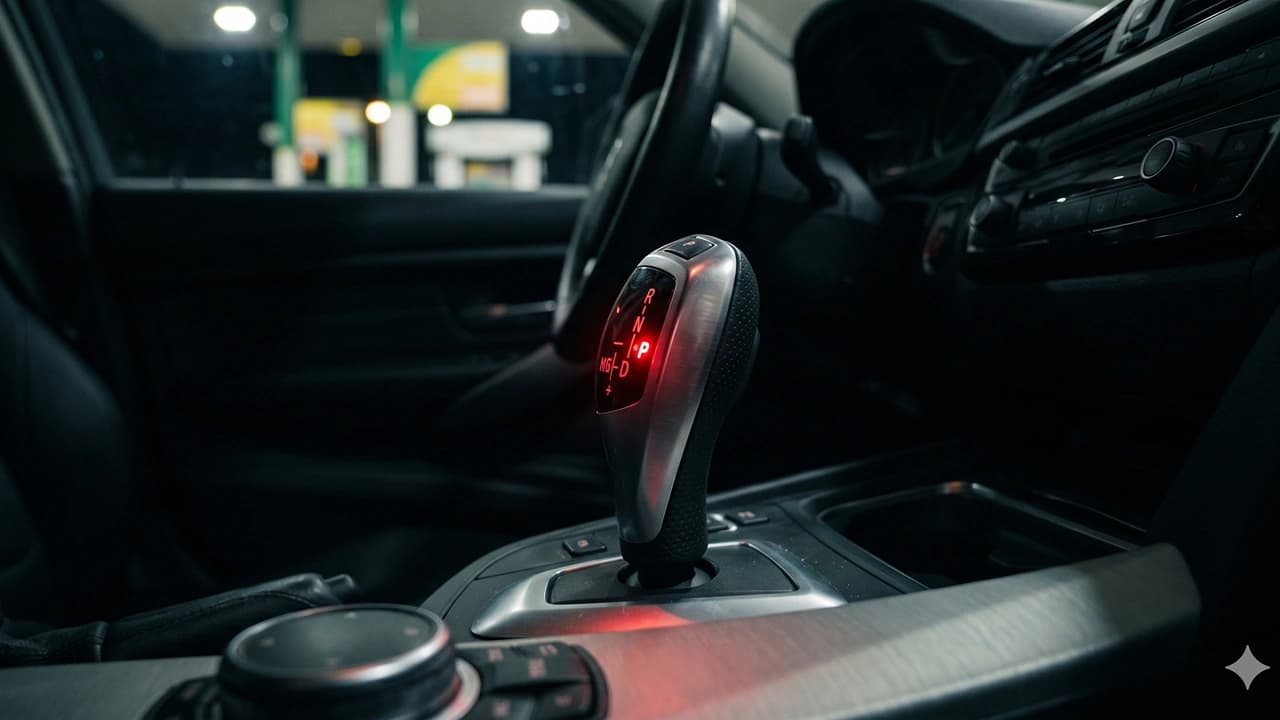
The core of the lawsuit centered on a "park-to-reverse" defect. Mr. Wu alleged that the monostable gear shifter in his Jeep was dangerously designed. He claimed that the system allowed a driver to place the vehicle in a "false park" or "illusory park" position. In this state, the vehicle appeared to be secure but could spontaneously shift into neutral or reverse without warning.
Injury
The primary injury was the traumatic crushing and subsequent amputation of Jeffrey Wu’s left leg. Beyond the physical loss, he suffered from significant past and future pain, permanent disability, and disfigurement. The accident also caused deep emotional distress and mental anguish for both Mr. Wu and his wife, Ting Yang.
Damages Sought
The Plaintiffs asked for compensation to cover their mounting medical bills and the cost of lifelong supportive care. They sought to recover lost wages and the loss of Mr. Wu’s future earning capacity. Additionally, Ting Yang sought damages for the loss of her husband's companionship and services. They also pursued punitive damages, arguing that the car manufacturer had acted with deliberate disregard for public safety.
Key Arguments and Proceedings
Legal Representation
Plaintiff(s): Jeffrey Wu | Ting Yang
· Counsel for Plaintiff(s): Kyle W. Farrar | Wesley T Ball | Skip E Lynch | William R Ogden | Genevieve Mary Zimmerman
Defendant(s): FCA US LLC (formerly known as Chrysler Group LLC)
· Counsel for Defendant(s): Fred J. Fresard | Ian K. Edwards | George W. Soule | Isaac W. Messmore | Jessica Russo | Ellisse S Thompson
Key Arguments or Remarks by Counsel
Claims
The legal team for the Wu family argued that FCA had known about the "park-to-reverse" defect for decades across multiple vehicle lines. They pointed to a 2016 recall by the manufacturer that specifically warned drivers about the risk of vehicles rolling away if the gear was not properly engaged. The lawyers claimed that the company chose financial gain over consumer safety by failing to implement a safer electronic parking brake system that would automatically engage if a driver exited the vehicle while it was not in park.
Defense
FCA’s defense team strongly denied that the 2014 Jeep Grand Cherokee was defective or unreasonably dangerous. They argued that the vehicle met all federal safety standards and followed the "state of the art" technology available at the time of manufacture. The company contended that the accident happened because Mr. Wu had been negligent and had failed to respond to the 2016 recall notice, which would have provided a software update to mitigate such errors. They also clarified that their parent company, Stellantis, had no role in designing or testing the vehicle.
Jury Verdict
A Dakota County jury ruled in favor of Plaintiffs Jeffrey Wu and Ting Yang in their product liability lawsuit against FCA US LLC. The case centered on a 2014 Jeep Grand Cherokee that the Plaintiffs claimed was dangerously defective. The jury returned its verdict on April 17, 2026, and awarded a total of $18,368,074.36 in damages before any reduction for the Plaintiff's own fault.
The Vehicle Was Defectively Designed
The jury found that FCA's 2014 Jeep Grand Cherokee was in a defective condition that made it unreasonably dangerous to users because of the way FCA designed the vehicle. The jury also determined that this design defect directly caused the Plaintiffs' injuries and damages.
FCA Failed to Warn Consumers
The jury concluded that FCA failed to provide adequate warnings for the safe use of the 2014 Jeep Grand Cherokee, which made the vehicle unreasonably dangerous. However, the jury determined that this lack of adequate warnings did not directly cause the Plaintiffs' injuries and damages. In other words, while the warnings fell short, the injuries traced back to the design itself, not to missing warnings.
Jeffrey Wu Shared Some of the Blame
The jury found that Jeffrey Wu was negligent with respect to his own safety, and that his negligence directly contributed to his injuries. When the jury split the fault between the two parties, it assigned 70% of the fault to FCA and 30% to Jeffrey Wu.
Damages Awarded to Jeffrey Wu
Past Damages
The jury awarded Jeffrey Wu the following amounts for injuries and damages he sustained up to the time of the verdict. For past pain, disability, disfigurement, embarrassment, and emotional distress, the jury awarded $3,500,000.00. For past health care expenses, the jury awarded $362,074.36. For past loss of earnings, the jury awarded $106,000.00.
Future Damages
For future pain, disability, disfigurement, embarrassment, and emotional distress, the jury awarded $8,500,000.00. For future health care expenses, the jury awarded $2,000,000.00. For future loss of earning capacity, the jury awarded $1,500,000.00.
Damages Awarded to Ting Yang
Ting Yang, Jeffrey Wu's spouse, received a separate award for loss of consortium. For the loss of Jeffrey Wu's services and companionship up to the time of the verdict, the jury awarded $500,000.00. For future loss of Jeffrey Wu's services and companionship, the jury awarded $2,000,000.00.
Total Verdict
Altogether, the jury awarded a gross total of $18,468,074.36 across both Plaintiffs. The verdict was unanimous. The foreperson signed the verdict form on April 17, 2026.
Court Documents