
Case Background
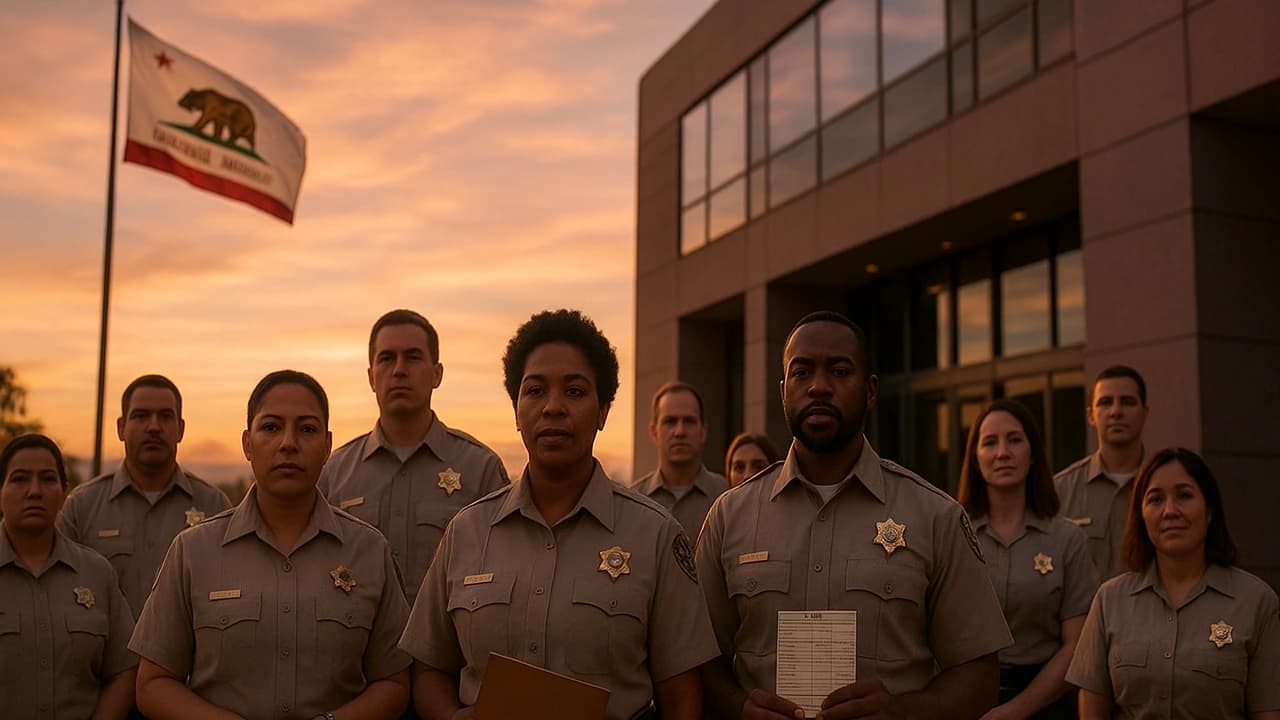
A major class action lawsuit alleging widespread workplace violations against the State of California concluded with a massive financial agreement. The case, filed by multiple Plaintiffs, including Jacqueline Carreon and Karen Bagube, targeted the California Department of Corrections and Rehabilitation (CDCR) and related state entities. The suit, initiated in the Superior Court of California, County of Los Angeles, in March 2019, asserted that the State agency had failed to properly pay thousands of current and former employees over several years, setting the stage for one of the largest wage and hour settlements against a state department.
Cause
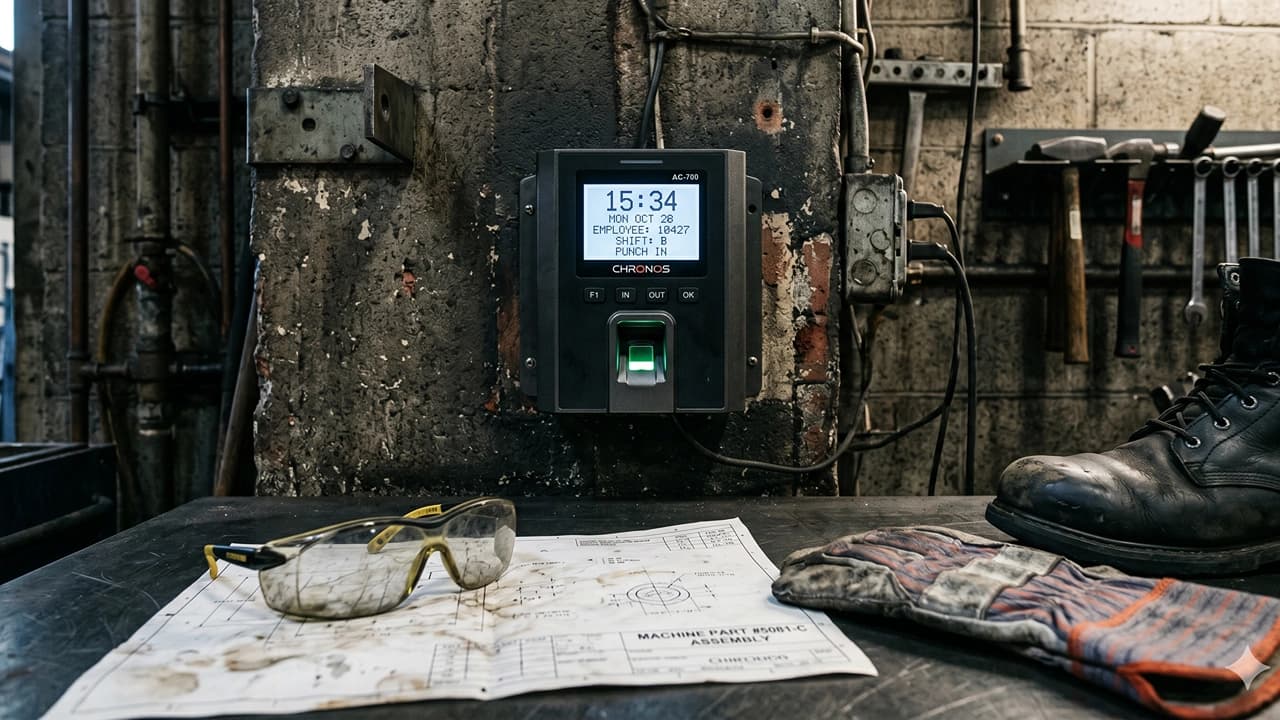
The litigation centered on systematic violations of California's stringent labor laws. The Plaintiffs, representing a massive class of non-exempt employees, accused the CDCR of failing to meet fundamental workplace requirements. Their core allegation focused on the State's failure to provide mandatory rest and meal breaks to its employees. Specifically, the employees claimed that due to understaffing, operational necessities, and strict policies within the correctional facilities, they had been consistently unable to take their full, uninterrupted 30-minute meal periods and 10-minute rest periods as required by state law. They further alleged the CDCR had failed to accurately pay them for all hours worked and had not provided timely and complete wage statements detailing their compensation.
Injury
The harm suffered by the Plaintiffs was primarily economic and related to their labor rights. The workers claimed that the CDCR had unjustly deprived them of premium pay, which they had legally earned when they missed mandatory breaks or worked during them. They also sustained financial loss from not receiving accurate and complete wage payments. Furthermore, the systematic denial of mandated breaks caused fatigue, mental stress, and physical discomfort to thousands of employees who were responsible for critical, often dangerous, public safety roles. The lawsuit sought to recover these lost wages and premiums and impose civil penalties on the state agency for its actions.
Damages Sought
The Plaintiffs demanded extensive financial recovery, seeking to hold the CDCR accountable for the alleged systemic violations. The class action requested several forms of compensation and relief:
Recovery of Unpaid Wages and Premiums The lawsuit primarily sought all unpaid premium wages owed to the class members for every missed or interrupted rest and meal period over the multi-year class period. They also demanded payment for all time they had worked off-the-clock or for which they had not received proper compensation.
Statutory Penalties The Plaintiffs pursued significant civil penalties under the Private Attorneys General Act (PAGA), a California law that allows employees to sue state agencies on behalf of the state for labor law violations. They also sought penalties for the CDCR's failure to provide accurate wage statements, a separate violation under state law.
Declaratory and Injunctive Relief Beyond money, the class sought orders from the Court that would declare the CDCR’s past practices illegal and mandate that the department immediately implement new, legally compliant policies and procedures to ensure all employees received proper breaks and accurate pay moving forward.
Key Arguments and Proceedings
The lawsuit quickly escalated into a complex legal fight involving multiple state agencies and thousands of Plaintiffs. The State firmly denied the allegations but eventually consented to negotiation to resolve the expansive claims.
Legal Representation
Plaintiff(s): Jacqueline Carreon | Karen Bagube | Geneva Carter | Racquel Chanelo | Melissa Glaude | Karen Lang | Lia McKeown | Angela Powell | Nina Ortez
· Counsel for Plaintiff(s): Arnold P. Peter | Eyal Farahan | Mallory B. Andrews | Michalski James Walter | Peter Arnold Philimon
· Experts for Plaintiff(s): William J. Buckley | Susan Jones
Defendant(s): California Department Of Corrections & Rehabilitation, Et Al.
· Counsel for Defendant(s): Xavier Becerra | Elisabeth Frater | Catherine E. Flores | Aguilar Jorge Ii | Anderson Mackenzie | Beatty Christopher | Beatty Christopher Dale | Irwin Joshua Casey | Linnett Kelsey | Ashley E. Riser | Vuong Rumduol Kim | Warner Serena Mercedes | Wise Catherine Elena
Key Arguments or Remarks by Counsel
Claims
The Plaintiffs’ counsel argued that the CDCR's policies and workplace realities systematically prevented non-exempt employees from exercising their basic right to rest and meal breaks. They asserted that internal operational policies within the state's correctional facilities had created an environment where employees could not take an uninterrupted break, often requiring them to remain on-call or perform duties during their meal periods. Counsel maintained that these continuous violations justified the recovery of millions of dollars in premium pay, as well as the imposition of severe statutory penalties against the state agency.
Defense
The CDCR, represented by the California Attorney General's Office, strongly denied all allegations of wrongdoing in its initial Answer. The State maintained that it had complied with all applicable labor laws and had provided all employees with the opportunity to take their required rest and meal breaks. The defense team also raised numerous affirmative defenses, including that the claims were legally barred because the Plaintiffs had not met all prerequisite requirements for their PAGA and class action claims. Furthermore, the State argued that the Plaintiffs' claims were inappropriate for class treatment, asserting that individual circumstances had determined whether a break was taken, rather than a department-wide policy failure. This defense aimed to defeat the class status, forcing thousands of individual lawsuits.
Settlement
The complex, multi-year class action lawsuit did not proceed to a jury trial but reached a definitive class action settlement, which the Court ultimately approved on July 18th, 2025.
After lengthy negotiations between the Plaintiffs' counsel and the State, the CDCR agreed to a substantial settlement that fully resolved all claims made by the certified class of employees. The final settlement amount, which accounted for all unpaid wages, premium pay, and civil penalties, totalled $5,100,000. The Court granted final approval of the settlement, deeming the terms fair and reasonable for the thousands of class members. The funds established a settlement fund from which the class representatives, attorneys' fees, and all eligible employees received their entitled shares, officially terminating the widespread dispute over labor practices within the California Department of Corrections and Rehabilitation.
Court documents are available upon request at [email protected]