
Case Background
This legal dispute began following a motor vehicle collision that occurred on May 18, 2023, in Orlando, Florida. Maria Baretta filed a lawsuit against Lourdes P. Guevara Ortiz in the Ninth Judicial Circuit Court for Orange County, seeking compensation for injuries she sustained during the accident. The case moved through the Florida Court system for nearly two years before reaching a jury trial in early 2026.
Cause
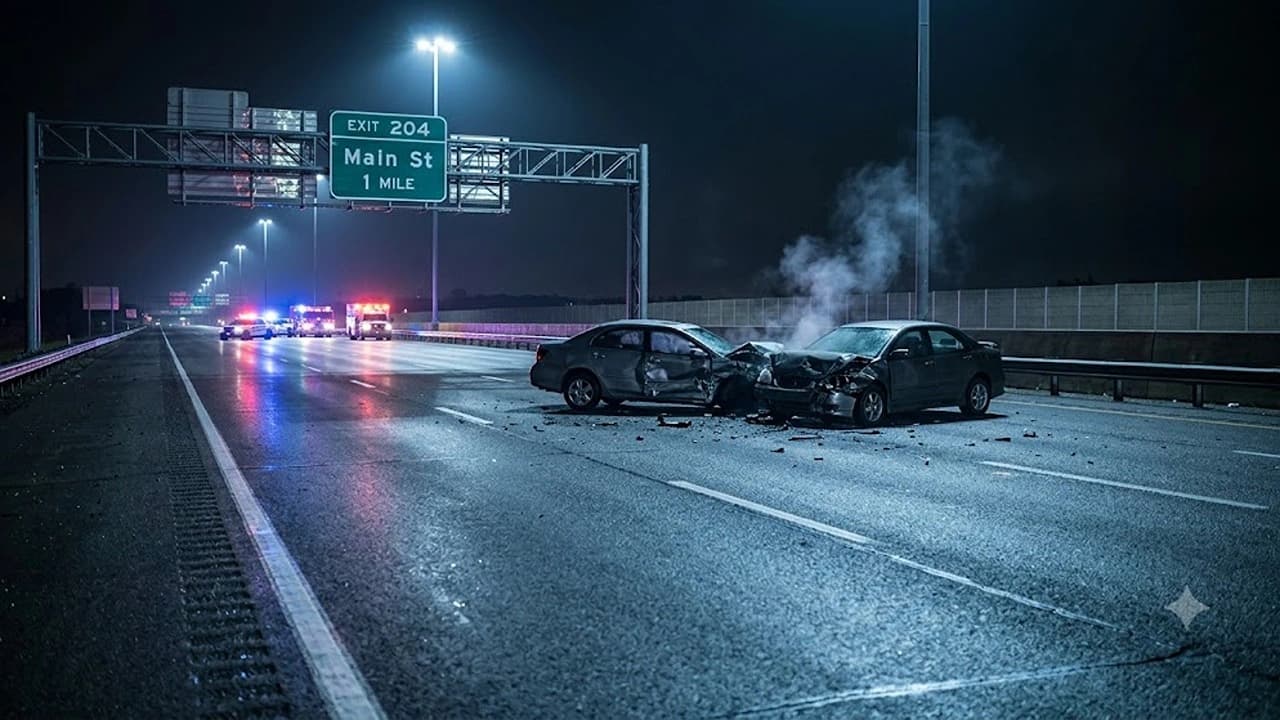
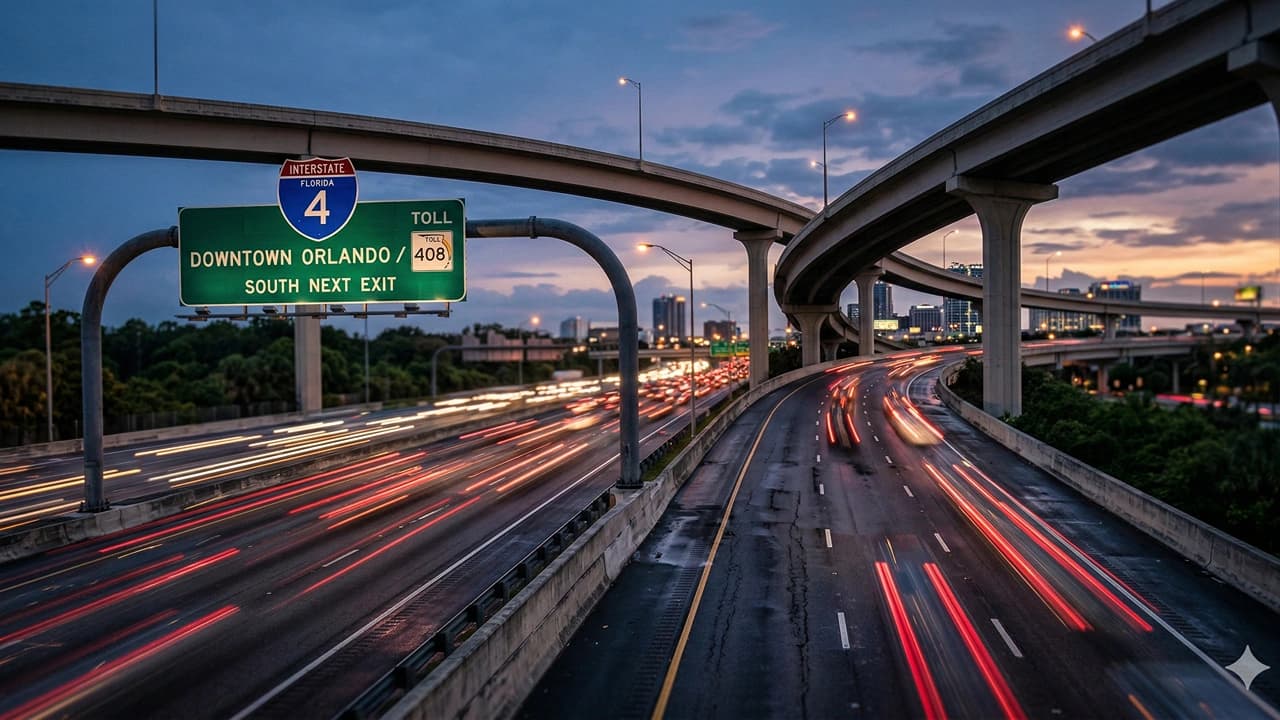
On the day of the incident, Lourdes P. Guevara Ortiz operated a motor vehicle on an exit ramp from westbound Interstate 4 (I-4). While navigating this ramp, Ortiz allegedly operated her vehicle in a negligent manner. This negligence led to a direct collision with the vehicle driven by Maria Baretta.
Injury
Maria Baretta claimed that the impact caused her significant and permanent bodily injuries. In her initial complaint, she detailed a list of physical and emotional damages, including persistent pain and suffering, physical impairment, and disfigurement. She also reported that the accident left her with mental anguish and a diminished capacity to enjoy her daily life. Furthermore, the collision aggravated conditions she had already struggled with before the crash.
Damages Sought
Baretta’s legal team filed the suit seeking compensatory damages exceeding $50,000.00, which is the jurisdictional threshold for the Circuit Court. She specifically requested compensation for her past and future medical expenses, including hospital visits and nursing care. Additionally, she sought to recover lost earnings and sought payment for her reduced ability to earn money in the years to come. Baretta also included a claim for the property damage to her vehicle and the loss of its use while it underwent repairs.
Key Arguments and Proceedings
The litigation progressed through several stages, starting with the filing of the complaint in April 2024 and moving into discovery, where both sides gathered evidence.
Legal Representation
Plaintiff: Maria Baretta.
Counsel for Plaintiff: Thomas L. Dennis
Experts for Plaintiff: Stanislaw K. Miaskowski | Benjamin C Service | Melissa Ann Hoang | Amy K. von Edwins | Enrique Puentes
Defendant: Lourdes P. Guevara Ortiz.
Counsel for Defendant: David M. Gagnon | Andrew W. Leggette
Claims
Baretta’s primary claim rested on the argument that Ortiz failed to use reasonable care while driving on the I-4 exit ramp. She argued that the crash served as the direct and proximate cause of her long-term physical limitations and financial losses. Baretta’s attorneys worked to prove that her injuries were permanent within a reasonable degree of medical probability, meaning she would require ongoing care and financial support for the rest of her life.
Defense
Lourdes Ortiz and her legal team presented a vigorous defense, filing an answer that denied the majority of Baretta’s allegations . They raised several affirmative defenses to shield Ortiz from liability or to reduce the potential payout.
The defense first argued the doctrine of comparative negligence. They suggested that Baretta herself had been negligent or had failed to pay attention to her surroundings, and therefore, the jury should reduce any award by Baretta's percentage of fault.
Ortiz’s lawyers also raised the issue of "pre-existing conditions." They contended that Baretta’s supposed injuries resulted from other incidents at different times and places that Ortiz could not control. They argued that these independent or concurring illnesses existed before the car accident even happened.
Additionally, the defense invoked Florida’s "No-Fault" laws, claiming Baretta had not met the legal threshold for permanent injury required to recover certain types of damages under state law. They also asserted that Baretta had failed to "mitigate" her damages, essentially claiming she didn't do enough to help herself recover or minimize her financial losses after the accident occurred.
Jury Verdict
The trial began on January 12, 2026, before the Honorable John E. Jordan. After hearing three days of evidence and arguments, the jury deliberated and returned its verdict on January 15, 2026.
Future Earning Capacity
The jury first addressed the financial impact on Baretta’s career. They decided that her future loss of earning capacity the money she will likely lose because she can no longer work as she did before totaled $375,000.00.
Past Non-Economic Damages
Next, the jury considered the "human" cost of the accident from the date of the crash up until the trial. This included her pain, suffering, disability, and the mental anguish she had already endured. For these past damages, the jury awarded Baretta $400,000.00.
Future Non-Economic Damages
The jury then looked toward the future. They evaluated how much Baretta would continue to suffer from physical impairment, inconvenience, and the loss of her ability to enjoy life. They determined that these future intangible losses were worth $220,000.00.
Total Award and Final Judgment
By adding these figures together, the jury reached a total verdict of $995,000.00. All six jurors signed off on this amount.
Following the jury's decision, Judge John E. Jordan signed a Final Judgment on January 28, 2026. This official Court order commanded Lourdes P. Guevara Ortiz to pay Maria Baretta the full sum of $995,000.00. The Court also dictated that the judgment would accumulate interest at a statutory rate of 8.44% per year until Ortiz paid the debt in full. The Court reserved the right to handle future matters, such as determining the exact amount of attorney fees and legal costs that Ortiz might also have to cover.
Court Document