
Case Background
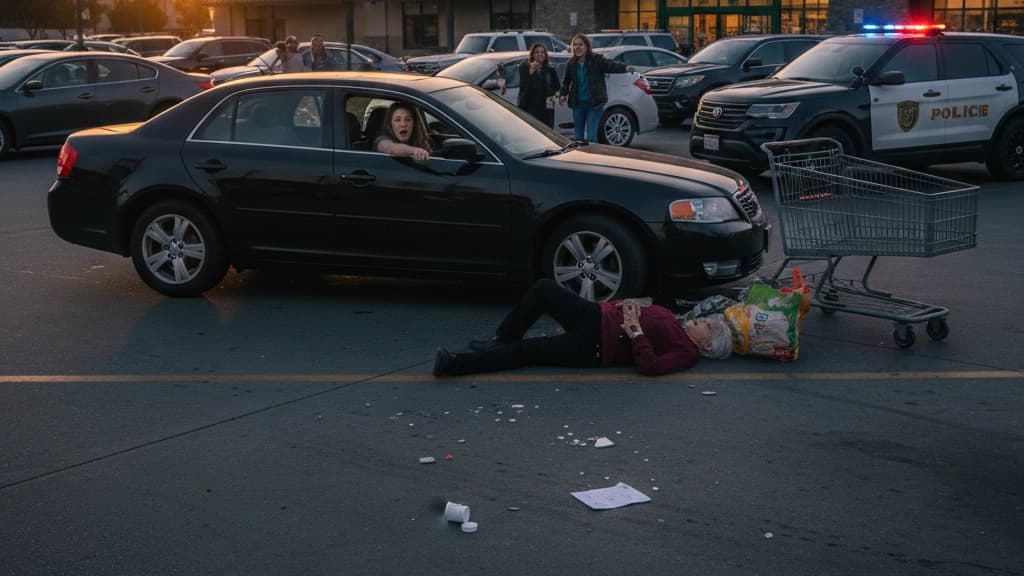
On a day that began like any other, Lillian Barlie headed out for what should have been a routine outing. This trip took a catastrophic turn in a busy shopping center parking lot in Contra Costa County, California. The incident set off a legal battle that lasted nearly six years. In late 2019, Barlie filed a lawsuit against Monica Rose Marie Car and several business entities, including the popular grocery chain Trader Joe’s and its property managers. Barlie sought justice for the severe injuries she sustained when a vehicle struck her. She claimed that the driver acted recklessly and that the property owners failed to provide a safe environment for pedestrians.
The legal journey moved through the Superior Court of California as the parties debated who bore the responsibility for the life-altering accident. Before the trial officially began in 2025, the parties had spent years exchanging documents, taking depositions, and reviewing medical records. Barlie maintained that the design of the parking area invited danger, while the corporate Defendants insisted that their premises met all safety standards. The case finally went before a jury to determine if the driver, the store, or the landlords owed Barlie compensation for her physical and emotional trauma.
Cause
The core of the dispute centered on a collision in the parking lot serving a Trader Joe’s location. Lillian Barlie walked through the lot when a vehicle operated by Monica Rose Marie Car struck her. Barlie alleged that Car failed to maintain a proper lookout and operated her vehicle in a negligent manner. However, the lawsuit extended beyond the driver’s actions. Barlie’s legal team argued that the property itself contributed to the accident. They claimed that the lack of protective bollards, poor traffic flow design, and inadequate signage created a "dangerous condition." According to the complaint, the owners and operators of the site knew that pedestrians frequently navigated that specific area but did not take the necessary steps to shield them from oncoming traffic.
Injury
The impact of the car against Barlie’s body resulted in devastating physical consequences. While the Court records focused on the legal liability, the financial figures awarded by the jury highlighted the gravity of her medical condition. Barlie suffered injuries that required immediate and extensive medical intervention. These injuries led to chronic pain and a significant loss of mobility. The trauma went beyond the physical; Barlie faced a long road of rehabilitation and a permanent shift in her quality of life. The evidence presented during the proceedings showed that she would require medical care and assistance for the rest of her life, as the accident had stripped away her ability to live without pain or physical limitations.
Damages Sought
Lillian Barlie sought a wide range of damages to cover the various ways the accident upended her life. She asked the jury to consider her "economic damages," which included the mountain of medical bills she had already accumulated. Additionally, she sought funds for "future economic damages" to pay for the surgeries, therapy, and home care she would need in the years to come. Beyond the tangible bills, Barlie pursued "non-economic damages." These represented the intangible but very real costs of the accident, such as physical pain, mental suffering, loss of enjoyment of life, and emotional distress. Her legal team argued that no simple sum could truly fix what was broken, but a significant award was necessary to provide her with a semblance of security and comfort.
Key Arguments and Proceedings
The trial served as a platform for two very different stories about why the accident happened. The proceedings involved a deep dive into traffic safety and property management. Both sides brought in high-powered legal teams to dissect the events of that afternoon.
Legal Representation
Plaintiff: Lillian Barlie
· Counsel for Plaintiff: Daniel D Geoulla | Michael Geoola
Defendant: Monica Rose Marie Car | Ronald M Schioldager | Amber View Rental Spe, Llc | Ron Schioldager
· Counsel for Defendant: Kelli George
Key Arguments or Remarks by Counsel
The attorneys for Barlie focused their narrative on a dual-failure system. They told the jury that Monica Car was clearly negligent in her driving, but they also insisted that the store and the landlords shared the blame. They argued that the shopping center’s layout was essentially an accident waiting to happen. By failing to install barriers or separate the pedestrian walkway from the vehicle path more clearly, the property owners had essentially set the stage for the collision.
Counsel for the defense countered this by focusing on individual responsibility. The attorneys for Trader Joe’s and the landlords argued that millions of people visit their stores every year without incident. They maintained that the property was safe and that the accident resulted solely from a driver’s error and perhaps a lack of caution by the pedestrian. They pointed out that no amount of property design could prevent a driver from making a mistake if that driver was not paying attention.
Claims
Barlie’s legal team filed claims for motor vehicle negligence and premises liability. The motor vehicle claim targeted Monica Car, asserting that she violated the basic duty of care every driver owes to others on the road. The premises liability claim targeted the business entities. Barlie argued that the Defendants owned or controlled the property where she was hurt and that they were negligent in the use or maintenance of that property. Specifically, they claimed the Defendants allowed a dangerous condition to exist and failed to warn visitors about the risks of the parking lot layout.
Defense
The Defendants fought back on every front. Monica Car’s defense suggested that Barlie herself might have contributed to the accident by not watching where she was going. This is known as "comparative negligence." Meanwhile, Trader Joe’s and the property owners denied that any dangerous condition existed. They argued that they had no notice of any specific danger and that the parking lot complied with all relevant building codes and safety regulations. They asserted that they were not the "proximate cause" of Barlie’s injuries; rather, the collision was an unforeseeable event caused by a third party.
Jury Verdict
After listening to weeks of testimony and reviewing volumes of evidence, the jury reached a definitive conclusion. They delivered a verdict that placed the lion's share of the blame on the driver but also found that Barlie herself carried a small portion of the responsibility.
Liability Breakdown
The jury found that Monica Rose Marie Car was indeed negligent and that her negligence was a substantial factor in causing harm to Lillian Barlie. They also found that Lillian Barlie was negligent. When it came to the store and the landlords, however, the jury cleared them of wrongdoing. They decided that Trader Joe’s was not negligent in the way it maintained the property.
In the final tally of responsibility, the jury assigned:
95% to Monica Rose Marie Car
5% to Lillian Barlie
0% to Trader Joe’s and the other property Defendants
Final Award
The financial award was substantial, reflecting the jury’s acknowledgment of the pain Barlie had endured. The total verdict reached $5,175,000. This massive figure broke down into several categories. The jury awarded $250,000 for medical expenses Barlie had already incurred. They added $925,000 to cover her future medical needs. The largest portion of the award addressed the human cost of the accident. The jury awarded $1,000,000 for the physical pain and mental suffering Barlie experienced up to the trial. They then awarded an additional $3,000,000 for the pain and suffering she would face in the future.
Because the jury found Barlie 5% responsible for the accident, the Court adjusted the final judgment. On November 5, 2025, the Court entered a formal judgment where Monica Car was ordered to pay the damages, minus the 5% reduction for Barlie's own negligence. This resulted in a final recovery amount of $4,916,250 for Lillian Barlie. While Trader Joe’s and the property owners escaped financial liability, the verdict ensured that Barlie would receive significant resources to manage her lifelong recovery.
Court documents are available upon request at [email protected]