
Case Background
Tamika Simmons and Precious Cisneros worked as central schedulers for Loma Linda University Shared Services (LLUSS) in San Bernardino, California. Their primary duties included scheduling patient appointments, verifying insurance coverage, and providing customer service. While they were employed between 2017 and 2019, the university handled their payroll and human resources from a centralized office in Loma Linda. Simmons and Cisneros later filed a class-action lawsuit, alleging that the university had implemented labor policies that systematically deprived them and other hourly employees of their hard-earned wages.
Cause
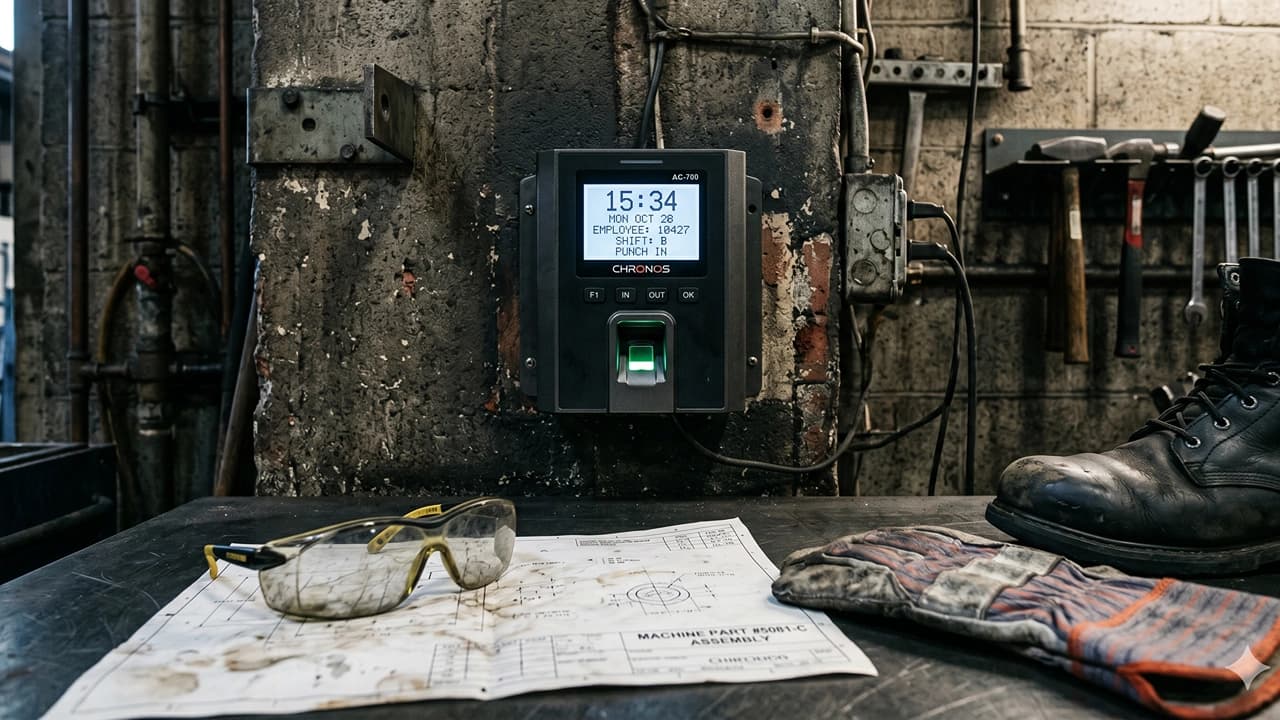
The legal battle centered on allegations that Loma Linda University Shared Services maintained several illegal workplace practices. The Plaintiffs claimed the university had rounded down their clock-in and clock-out times, which effectively shaved minutes off their paychecks every day. Furthermore, they alleged that heavy workloads and chronic understaffing forced them to work through their legally mandated meal and rest breaks. In some instances, schedulers had to stay on phone calls with patients long after their shifts ended, performing work off-the-clock without receiving any compensation.
Injury
The employees suffered significant financial losses due to these practices. By failing to record and pay for every minute worked, the university denied them overtime and minimum wages. The Plaintiffs also noted that they missed out on "premium pay"—a penalty wage employers must pay when they fail to provide proper meal or rest periods. Additionally, the workers were forced to pay out-of-pocket for mandatory business expenses, such as travel costs for required medical screenings and drug tests, which the university never reimbursed.
Damages Sought
Simmons and Cisneros sought to recover all unpaid wages, including overtime and minimum wage compensation, at their regular rates of pay. They also demanded waiting time penalties for employees who had left the company and had not received their final checks on time. Beyond the direct wages, the lawsuit asked for interest on the unpaid amounts, reimbursement for business expenses, and a Court order to stop the university from continuing these unfair business practices.
Key Arguments and Proceedings
The case moved through the San Bernardino Superior Court as a class action, representing numerous non-exempt, hourly employees. During the proceedings, the Court examined the university’s standardized policies and payroll records to determine if the alleged violations were widespread.
Legal Representation
Plaintiff(s): Tamika Simmons, Precious Cisneros, and Merissa Ortiz
· Counsel for Plaintiff(s): Mark A. Ozzello | Brandon K. Brouillette | Joseph Hakakian
· Expert for Plaintiff(s): Eric R. Lietzow
Defendant(s): Loma Linda University Shared Services
· Counsel for Defendant(s): Jon P. Kardassakis | Michael K. Grimaldi | Sherry N. Shayan
Key Arguments or Remarks by Counsel
Claims
The legal team for the Plaintiffs argued that the university’s rounding policy was not neutral and consistently favored the employer by undercounting hours. They contended that the university knew employees were working during breaks and off-the-clock because the high volume of patient calls made it impossible to do otherwise. Counsel emphasized that by failing to include bonuses and shift differentials in the "regular rate of pay," the university had also undercalculated the overtime rates for its staff.
Defense
Loma Linda University Shared Services filed a general denial, rejecting all allegations of wrongdoing. The university’s defense team argued that the complaint failed to state a valid legal claim and that any failure to pay wages was not "willful" or intentional. They maintained that their timekeeping and break policies complied with California law and that they had acted in good faith at all times.
Jury Verdict
After hearing the evidence, the jury reached a decision regarding the university’s treatment of its employees. While the jury evaluated several specific labor law violations, the final judgment reflected the university’s liability for the wage and hour claims presented by the class members.
Findings on Meal and Rest Periods
The jury examined whether the university had failed to provide the Plaintiffs with the required 30-minute meal breaks and 10-minute rest periods. They specifically looked at whether the university had failed to pay the "premium" hour of pay required for these violations.
Findings on Unpaid Wages
The verdict addressed the claims of unpaid overtime and minimum wages resulting from the university's rounding practices and off-the-clock work. The jury determined the extent to which the university was responsible for these unpaid amounts and whether the failure to pay was a willful violation of the California Labor Code.
Final Judgment
On March 26, 2026, Judge Carlos M. Cabrera entered a formal judgment based on the jury’s findings. The Court ordered Loma Linda University Shared Services to pay the damages and penalties established during the trial to Tamika Simmons, Precious Cisneros, Merissa Ortiz, and the certified class of employees. This judgment concluded the years-long litigation, holding the healthcare service provider accountable for its systemic payroll failures.
Court documents are available upon request at [email protected]