
Case Background
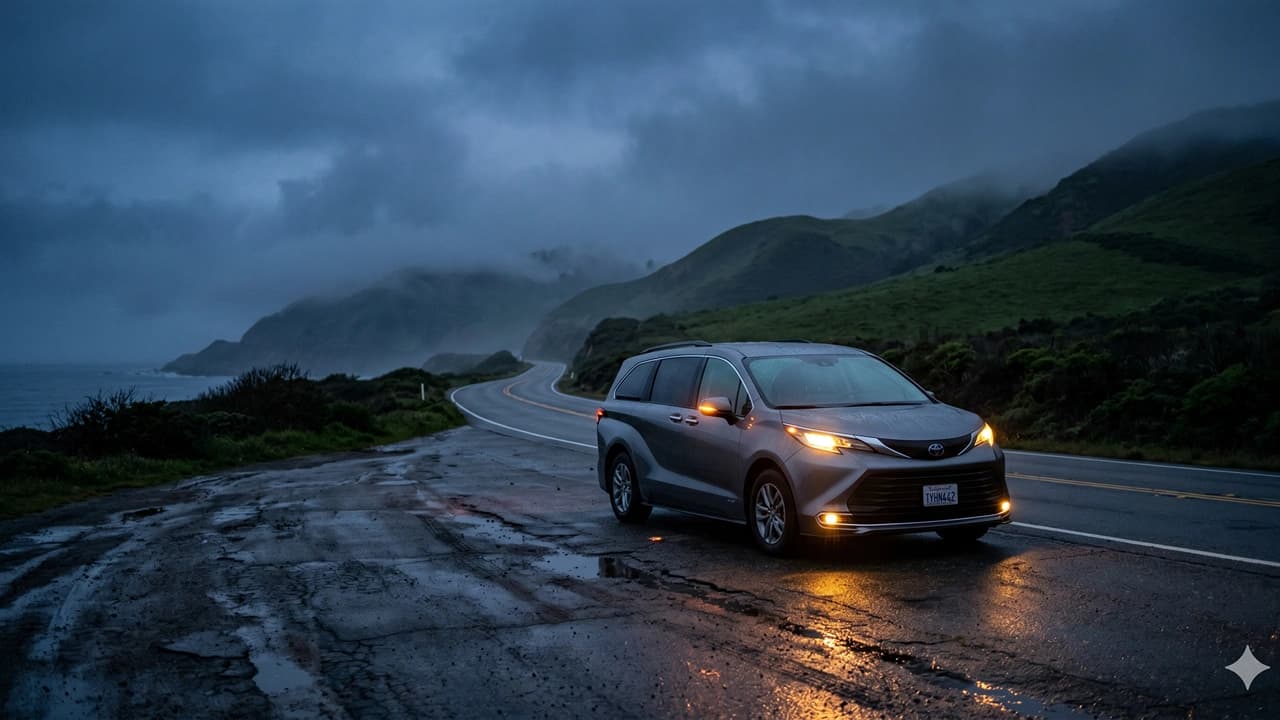
On March 28, 2019, Sacramento County resident Mandaris Moore entered into a warranty contract for a certified pre-owned 2019 Dodge Grand Caravan. Defendant FCA US, LLC manufactured and distributed the vehicle. The express warranty contract included bumper-to-bumper, powertrain, and emission coverages. Moore used the vehicle primarily for personal, family, and household purposes.
Cause
During the applicable warranty periods, the vehicle developed multiple defects and nonconformities. These issues included transmission defects, infotainment defects, climate control defects, electrical defects, and body defects.
Injury
The recurring defects substantially impaired the use, value, and safety of the vehicle. Moore alleged that the vehicle became worthless or had minimal value because of these structural and mechanical problems.
Damages Sought
Moore sought actual damages in an amount of not less than $25,001.00. The requested damages included restitution, the entire contract purchase price, or the vehicle's diminution in value. Moore also requested reimbursement for incidental and consequential damages, such as towing expenses. Additionally, Moore sought a civil penalty equal to two times the actual damages for willful statutory violations, along with costs, expenses, and reasonable attorney fees.
Key Arguments and Proceedings
Legal Representation
Plaintiff(s): Mandaris Moore
· Counsel for Plaintiff(s): Tionna Dolin | Sanam Vaziri
Defendant(s): FCA US, LLC
· Counsel for Defendant(s): Spencer P. Hugret | Jordan A. Willette
Key Arguments or Remarks by Counsel
The Plaintiff's counsel argued that FCA US, LLC had an affirmative statutory obligation under California consumer protection laws to promptly replace the defective vehicle or offer a full refund. Counsel stated that Moore diligently brought the vehicle to authorized repair facilities and requested a buyback on January 13, 2022, after repairs failed to resolve the issues. According to the Plaintiff, the manufacturer willfully ignored its statutory duties and kept consumers uninformed regarding specific emission warranty terms.
The defense counsel counter-argued that Moore failed to state facts sufficient to support any valid legal action. Counsel argued that FCA US, LLC evaluated all buyback or replacement requests in good faith and performed all necessary obligations under the warranty. The defense also claimed that any vehicle issues arose from improper maintenance, owner abuse, or unauthorized alterations rather than factory defects.
Claims
The lawsuit raised five specific legal claims against the manufacturer.
Violation of Civil Code Section 1793.2 Subdivision d The Plaintiff claimed that the manufacturer and its representatives failed to repair the vehicle to match its express warranties after a reasonable number of service attempts. Once those attempts failed, the manufacturer did not promptly replace the vehicle or provide restitution.
Violation of Civil Code Section 1793.2 Subdivision b The Plaintiff asserted that the manufacturer failed to begin repairs within a reasonable time and failed to fix the vehicle within the mandatory 30-day window. Moore did not grant any extension to this time requirement.
Violation of Civil Code Section 1793.2 Subdivision a Three The Plaintiff alleged that the manufacturer did not provide its authorized service centers with sufficient repair literature or replacement parts to complete necessary repairs during the warranty period.
Breach of the Implied Warranty of Merchantability The Plaintiff claimed that the vehicle suffered from latent defects when sold. As a result, the vehicle was not fit for the ordinary purposes for which such automobiles are used and could not pass without objection in the automotive trade.
Violation of the Magnuson-Moss Warranty Act The Plaintiff argued that the manufacturer breached both its written and implied warranties under federal law by failing to repair the defects or replace the vehicle.
Defense
FCA US, LLC denied every single allegation in the complaint and raised thirty-four affirmative defenses. The manufacturer argued that the statute of limitations barred the claims and that the vehicle remained completely fit for transportation. The defense asserted that the company was entitled to a financial offset for the period Moore used the vehicle before the first repair attempt. Furthermore, the defense stated that the economic loss rule and federal preemption under the National Traffic and Motor Vehicle Safety Act barred the legal actions. Finally, the defense argued that Moore failed to provide timely notice of the alleged breaches and failed to use the company's informal dispute settlement program.
Final Disposition
The parties completely settled the case before it went to a jury. Judge Bunmi O. Awoniyi presided over Department 47 of the Sacramento County Superior Court, where a trial had been scheduled for October 7, 2025. On October 6, 2025, Moore's counsel electronically filed a formal notice confirming that the entire case reached a settlement. The parties entered into a conditional settlement agreement that conditioned the final dismissal of the lawsuit on the satisfactory completion of specific terms. Under the rules of the Court, the Plaintiff agreed to file a formal request for dismissal no later than February 6, 2026.
Court documents are available upon request at [email protected]