
Case Background
Pary Al Zahawi, an individual, filed the complaint on December 9, 2022, on behalf of herself and a large group of fellow employees, initiating a sweeping wage and hour class action. She named The Kind Center, Inc., KB Collective for Compassion and Care, Inc., and Flower Company as Defendants. The lawsuit, filed in the Superior Court of California, County of Los Angeles, targeted the cannabis industry businesses for what the Plaintiffs asserted were widespread and systemic violations of California's strict labor laws. The filing immediately signaled a major legal challenge concerning worker rights in this rapidly expanding sector.
Cause
The primary legal action stemmed from the Defendants' alleged failure to meet fundamental labor standards set by the California Labor Code and the Private Attorneys General Act (PAGA). Ms. Al Zahawi claimed the companies developed and enforced policies that routinely violated their employees' rights.
Failure to Pay Minimum and Overtime Wages
The core of the claims asserted the Defendants failed to accurately record all hours worked and did not pay employees the legally required minimum wage or proper overtime rates for time worked over eight hours in a day or forty hours in a week. This resulted in systematic underpayment of hundreds of workers.
Meal and Rest Period Violations
The Plaintiffs also alleged that the Defendants failed to provide compliant meal and rest periods. California law mandates specific, uninterrupted breaks during work shifts, and the complaint claimed the employees either did not receive these breaks or that the company pressured them to perform work duties while they were technically off the clock, thereby failing to pay premiums owed for the missed breaks.
Unlawful Wage Statements and Waiting Time Penalties
Further causes of action centered on violations related to paperwork and final pay. The complaint asserted the wage statements issued by the companies were inaccurate or incomplete, failing to itemize all required information, such as total hours worked or the correct hourly rate. Additionally, when employees separated from the company, Ms. Al Zahawi claimed the Defendants failed to pay all final wages immediately, leading to claims for statutory waiting time penalties.
Injury
Ms. Al Zahawi and the class members claimed the employers’ unlawful practices had caused them severe financial injury. They had lost substantial income from unpaid wages and overtime that they should have earned. The alleged failure to provide mandatory breaks led to additional lost compensation in the form of premium payments. Collectively, these violations translated directly into a massive financial shortfall for the workers, who also suffered the stress and uncertainty of being improperly compensated for their labor.
Damages Sought
The complaint demanded that the Defendants fully compensate the entire class for all economic losses they had incurred. The damages sought included:
Unpaid Compensation: Recovery of all unpaid minimum wages, overtime compensation, and reporting time pay.
Statutory and Liquidated Damages: Payment of penalties for inaccurate wage statements and liquidated damages for minimum wage violations.
Meal and Rest Period Premiums: Payment for all missed or interrupted meal and rest periods, which state law sets at one hour of pay for each violation.
PAGA Penalties: Payment of civil penalties under the Private Attorneys General Act, with 75% of the penalty amount designated for the California Labor and Workforce Development Agency.
Restitution and Interest: Repayment of all money wrongfully retained by the Defendants, along with pre-judgment interest accrued on the unpaid amounts.
Legal Fees: Reimbursement for all class and PAGA counsel attorney fees and costs of the lawsuit.
Key Arguments and Proceedings
The class action proceeded through the Courts, undergoing the initial scrutiny necessary for certification. The case was assigned to Judge David Cunningham III, demonstrating the complexity of the litigation that lay ahead. The sheer number of alleged violations and the size of the class required intense legal maneuvering from the outset.
Legal Representation
Plaintiff(s): Pary Al Zahawi, individually, and on behalf of others similarly situated
· Counsel for Plaintiff(s): David G. Spivak | Caroline Tahmassian
Defendant(s): The Kind Center, Inc | KB Collective for Compassion and Care, Inc | Flower Company
· Counsel for Defendant(s): David Fishman | Sager Heather Murray
Key Arguments or Remarks by Counsel
Claims
Attorneys for Ms. Al Zahawi asserted that the Defendants had engaged in systemic wage theft, arguing that the companies’ policies deliberately misclassified workers' time or simply failed to account for work performed off the clock. They emphasized that class actions were the necessary vehicle to achieve justice because the individual amounts owed to each worker were often too small to justify separate lawsuits. Counsel had worked to demonstrate a uniform pattern of labor code violations across the entire employee class, which justified certifying the action.
Defense
The Defendants' counsel vigorously disputed the allegations. They typically argued that the companies had maintained lawful and compliant policies and procedures. In a wage and hour case, the defense typically argues that any violations were isolated, minor, or resulted from employee error, rather than from systemic company policy. They also would have argued that the claims lacked the necessary commonality for class certification, contending that individual issues such as why a specific employee missed a break outweighed the class-wide claims. Furthermore, they had challenged the methods used by the Plaintiff's experts to calculate the massive potential damages.
Settlement
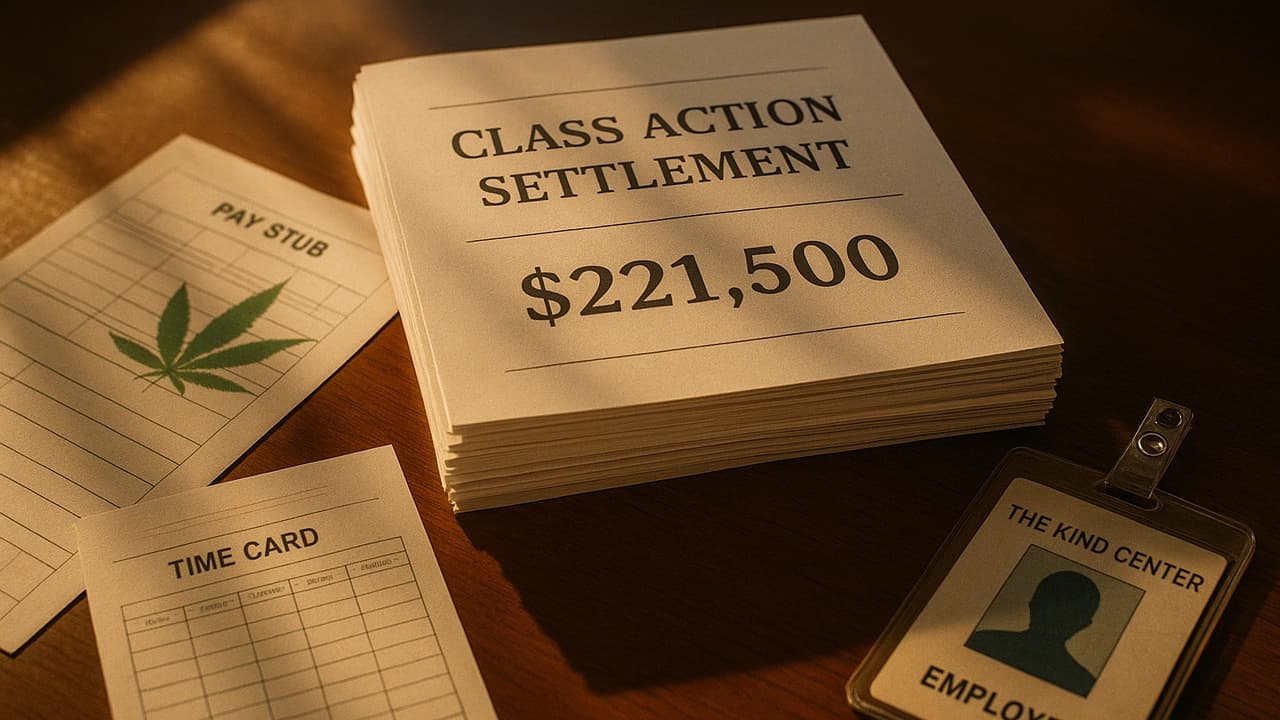
The complex wage and hour dispute did not proceed to a jury trial. Instead, the parties entered into a comprehensive Class Action Settlement. On July 14, 2025, the Superior Court of California, County of Los Angeles, issued a Final Order and Judgment Approving Class Settlement, officially ending the lawsuit. The Court's approval established a Gross Settlement Fund of $221,500 to resolve all claims made by Ms. Al Zahawi and the class members against The Kind Center, Inc., and the related entities. The settlement fund, after deducting Court-approved attorney fees, costs, and administration expenses, would be distributed to the hundreds of eligible current and former employees who were part of the class, providing final compensation for their alleged labor violations.
Court documents are available upon request at [email protected]