
Case Background
On January 17, 2023, a normal winter morning in Mansfield, Connecticut, turned into a life-changing day for Natasha Tehan. She drove her Honda Civic northbound on Route 32, approaching the intersection with Route 275. She entered the intersection with a green light, confident that the traffic rules protected her right of way.
At the same time, a vehicle owned by Scott Pearson and operated by his daughter, Sydney Pearson, came westbound on Route 275. Sydney entered the intersection and collided with Tehan’s car. The force of the crash left Tehan with physical injuries, a totaled vehicle, and mounting medical expenses.
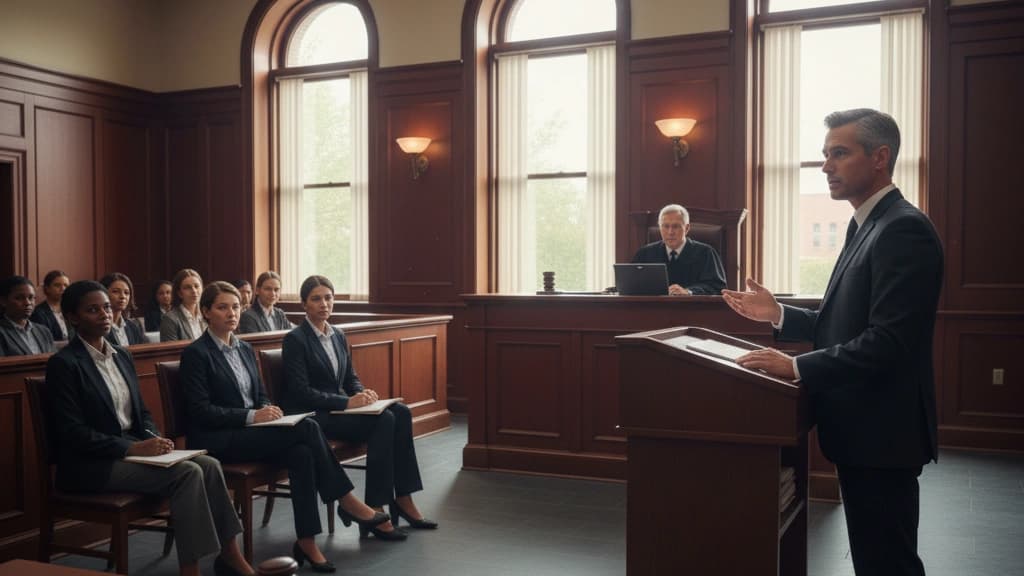
Tehan filed a negligence lawsuit in July 2023 against both Scott and Sydney Pearson, alleging that Sydney’s careless driving caused the collision and that Scott, as the vehicle’s owner, was vicariously liable. The case moved forward in the Superior Court at Rockville. After discovery and months of legal arguments, it reached a jury trial in October 2024.
Cause
Tehan’s complaint stated that Sydney Pearson caused the crash by failing to obey traffic laws and by not yielding the right of way. The allegations included failure to maintain proper control, failure to keep a lookout, failure to brake or steer to avoid the accident, and failure to yield in violation of Connecticut law.
The Pearsons denied negligence. They admitted a collision happened but disputed how it occurred. The defense insisted that Sydney had already entered the intersection lawfully and that Tehan bore responsibility for not driving carefully enough.
Injury
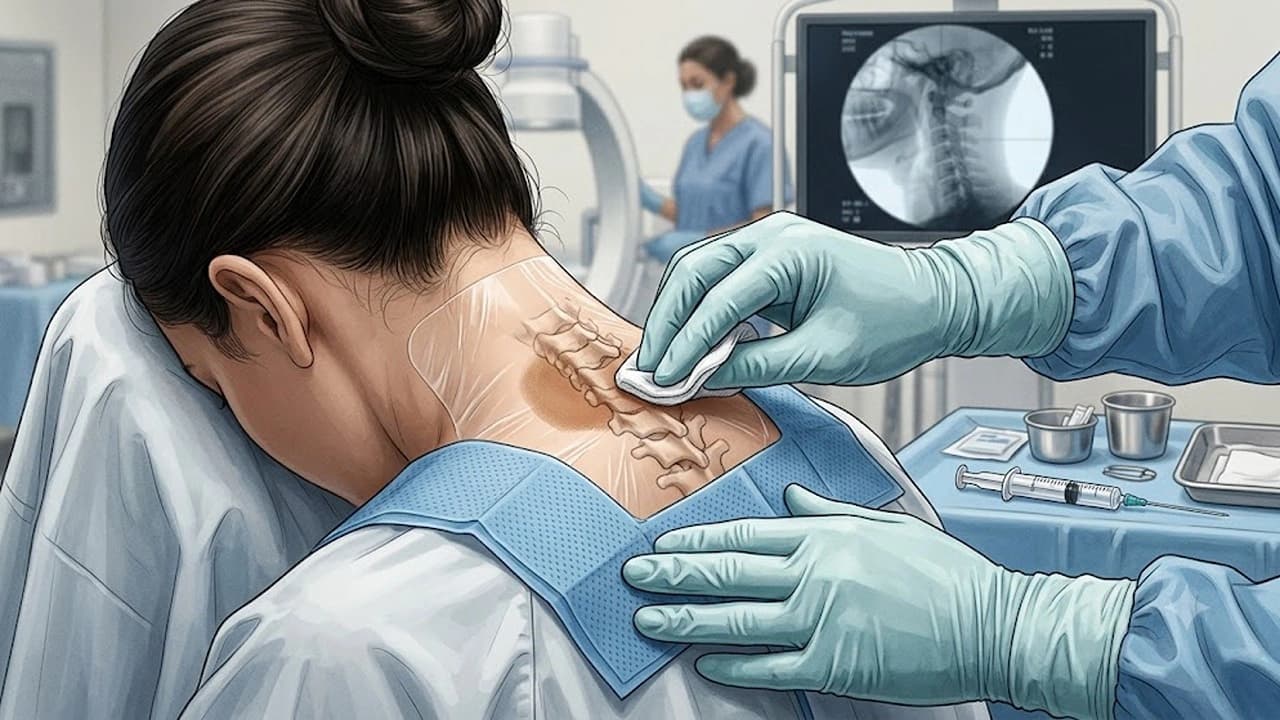
Tehan reported injuries to her face, arms, hands, back, shoulders, and neck. She testified that the crash left her in pain, limited her daily activities, and forced her to live with physical discomfort. Doctors confirmed that some of these injuries could be permanent.
She also described the emotional toll mental anguish, stress, and frustration over no longer being able to participate in the activities she enjoyed before the crash.
Damages
The complaint sought compensation for:
Medical treatment and future medical care.
Loss of her car, which was declared totaled.
Out-of-pocket costs, including car rental, towing, and storage.
Loss of enjoyment of life due to long-term pain and restrictions.
At trial, she asked the jury to award both economic damages, such as bills and car costs, and noneconomic damages, such as pain and suffering.
Legal Representation
Plaintiff: Natasha Tehan
Counsel for Plaintiff: Anthony W. Pignatiello
Experts for Plaintiff: Orland E. Donald | Christopher McCarthy | Christopher McCarthy | Bruce P. Arose
Defendants: Scott A. Pearson | Sydney E. Pearson
Counsel for Defendant: Mark J. Sheehan
Key Arguments and Proceedings
Plaintiff’s Claims
Tehan’s attorney, Anthony W. Pignatiello of Diana, Conti & Tunila, LLP, built the case around the right of way. He argued that Tehan had the green light and the legal right to enter the intersection, while Sydney Pearson failed to yield. He emphasized that the law is clear drivers entering from side roads must yield to traffic with the green light.
The Plaintiff also presented medical evidence to show that the crash caused serious physical harm and lasting limitations. Her lawyer reminded the jury that the accident left her not only with bills and pain but also with the loss of ordinary joys, from working without discomfort to enjoying leisure activities.
Defense’s Position
The Pearsons, represented by attorney Mark J. Sheehan of Hanks, Olsen & Sheehan, countered that Tehan bore responsibility for the accident. They filed special defenses alleging that Tehan herself drove carelessly in several ways:
She failed to keep a proper lookout.
She did not control her car reasonably.
She did not brake or swerve when she could have.
She approached too fast for the circumstances.
She failed to yield, since Sydney Pearson was already in the intersection.
The defense insisted that Tehan’s own negligence, not Sydney’s driving, caused the crash.
Jury Verdict
On October 18, 2024, the jury returned its verdict. The panel found the verdict in favor of Natasha Tehan and against both Scott and Sydney Pearson.
The jury allocated 55% liability to the Defendants and 45% to the Plaintiff. That meant Tehan bore some share of fault for the crash, but since the Defendants’ share exceeded 50%, she still recovered damages.
The jury awarded:
Economic damages: $25,000
Noneconomic damages: $10,000
Total damages: $35,000
After applying the percentage of fault, Tehan’s final award of $ 19,250 reflected the jury’s finding that she carried part of the blame. Still, the verdict confirmed that the Pearsons bore primary responsibility for the crash.