
Case Background
The Hyundai brand began its journey in 1946 when Chung Ju-yung opened a small auto repair shop in Seoul, South Korea. Over the decades, it evolved into a massive global conglomerate known as the "pan-Hyundai Group," a name synonymous with high-quality cars, shipbuilding, and construction. Since entering the American market in 1986, Hyundai Motor Company and its U.S. subsidiary, Hyundai Motor America, have sold over 10 million vehicles to American drivers. They spent billions of dollars and decades of effort to ensure that when a consumer saw the "HYUNDAI" name, they thought of reliability and advanced engineering.
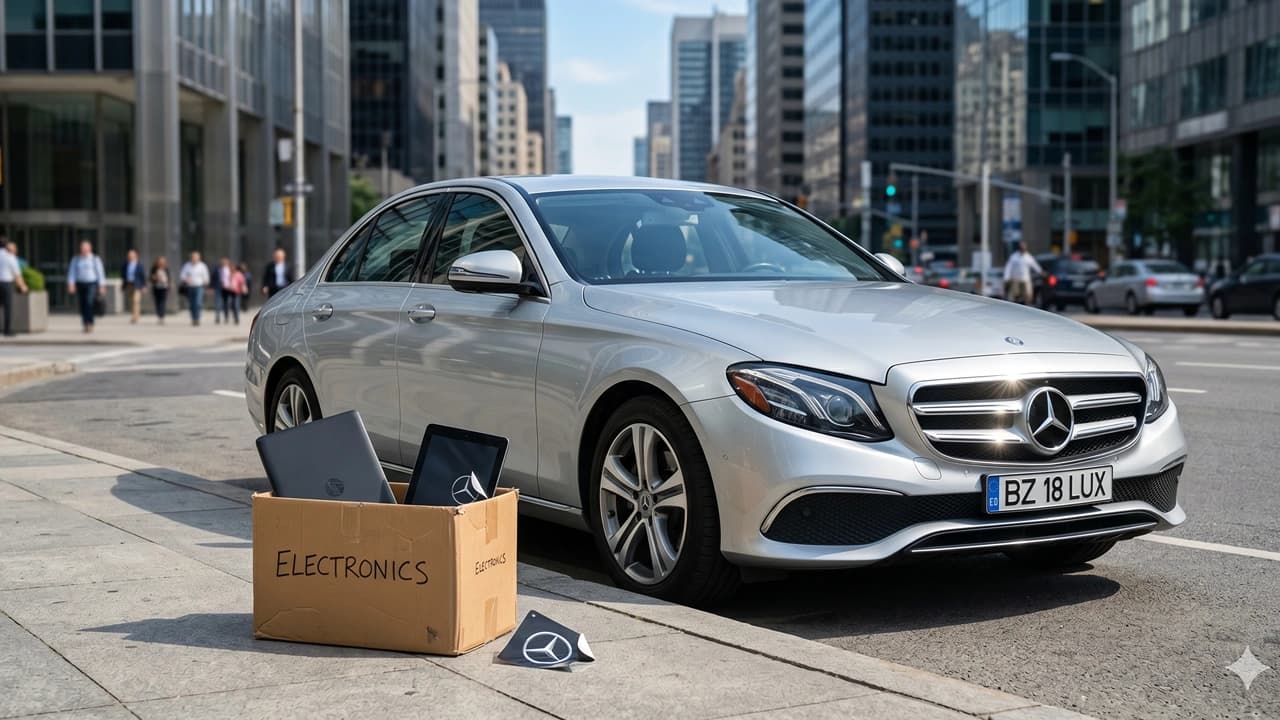
However, a group of California and Puerto Rico-based companies began selling low-cost electronics like $200 laptops and $70 tablets using the exact same "HYUNDAI" name and a nearly identical stylized font. These companies, led by Imad Boukai, had no actual connection to the famous car manufacturer. The automotive giant eventually sued to protect its reputation from what it called "shoddy" products that were confusing the public.
Cause
The legal battle centered on federal trademark dilution and false designation of origin under the Lanham Act. Hyundai Motor argued that the electronics companies were "hitching a ride" on the fame of their car brand. They alleged that by using the Hyundai name on cheap tech products, the Defendants were blurring the brand's distinctiveness and tarnishing its prestigious reputation.
Injury
The car company claimed that consumers were being tricked into thinking these cheap electronics were official Hyundai products. They pointed to instances where customers asked online if the laptop makers "also made cars," and the Defendants' representatives falsely replied, "Yes we do". Hyundai Motor feared that if these low-quality electronics failed, consumers would blame the car company, permanently damaging the trust they had built over 40 years.
Damages Sought
Hyundai Motor asked the Court for a permanent ban to stop the Defendants from using the name "HYUNDAI" ever again. They also sought financial compensation, including the profits the electronics companies made by using the name, as well as reimbursement for their legal fees and costs.
Key Arguments and Proceedings
Legal Representation
Plaintiff(s): Hyundai Motor Company | Hyundai Motor America, Inc.
· Counsel for Plaintiff(s): David R. Eberhart | Kaitlyn Gosewehr | Nathaniel Legum | Amy K. Liang | Andrew Miles Levad | Daniel H Bookin | Jeffrey J. Fowler | Jillian R Weinstein | Kaitlyn Amanda Noelani Gosewehr | Kristin Alvarado | Luann Loraine Simmons | Martin Samuel Checov | Patrick V. Plassio | Sean T. Andrews | Timothy D Byron
Defendant(s): Hyundai Technology Group, Inc., General Procurement, Inc., and Hyundai Technology, Inc.
· Counsel for Defendant(s): Alejandro S. Angulo | Talya Goldfinger | Michael Mansour Ahmadshahi | Ronald P. Oines | Meredith L Williams | Sarah Van Buiten | Ayang Joseph Inyang | Brandon Tanter | Rodney S. Diggs | Ismail Amin | Katherine Joy Vescera | Kevin Thomas Meade | James A Bryant , II | Marcel Budiono
Claims
Hyundai Motor argued that the Defendants were running a massive "identity theft" of their brand. They presented evidence from the Defendants' own website that falsely claimed their company was founded by the same man who started the Hyundai car empire 70 years ago. The Plaintiffs also highlighted that the Defendants had posted news about Hyundai’s partnership with Apple to produce electric cars on their tech website, making it look like they were the ones working with Apple.
Defense
The electronics companies argued they had a legal right to use the name. They claimed they had acquired the rights to use the "HYUNDAI" mark from another Korean company, Hyundai Bioscience Co., Ltd., and that their use was perfectly legitimate in the electronics sector. They denied they were trying to confuse anyone and insisted their products did not compete with or harm a car manufacturer.
Jury Verdict
On April 10, 2026, the jury returned a unanimous verdict in favor of the car manufacturer.
Trademark Dilution and False Origin
The jury found that Hyundai Motor proved the Defendants had diluted their famous trademark through "tarnishment". This meant the jury believed the lower-quality electronics were actually hurting the reputation of the car brand. They also found that the electronics companies had used a "false designation of origin," essentially agreeing that the Defendants had misled the public about where their products came from.
Unfair Competition
The panel further decided that the Defendants' actions violated common law rules against unfair competition.
Damages Awarded
The jury ordered the Defendants to pay $2.5 million in damages for the harm caused by their willful actions. Additionally, the jury found by "clear and convincing evidence" that the Defendants acted with malice or reckless disregard for Hyundai Motor's rights, a finding that typically allows for even stricter penalties or the reimbursement of the Plaintiffs' legal bills.
Court documents are available upon request at [email protected]