
Case Background
This legal dispute began when Troy Kelley filed a civil lawsuit following a slip and fall accident at a Dunkin' Donuts restaurant in New Haven, Connecticut. The incident occurred on June 23, 2020, around 1:00 p.m. Kelley entered the premises at 81-83 Church Street as a business invitee, expecting a safe environment while he frequented the establishment. However, the visit resulted in a significant physical accident that led to years of litigation.
Cause
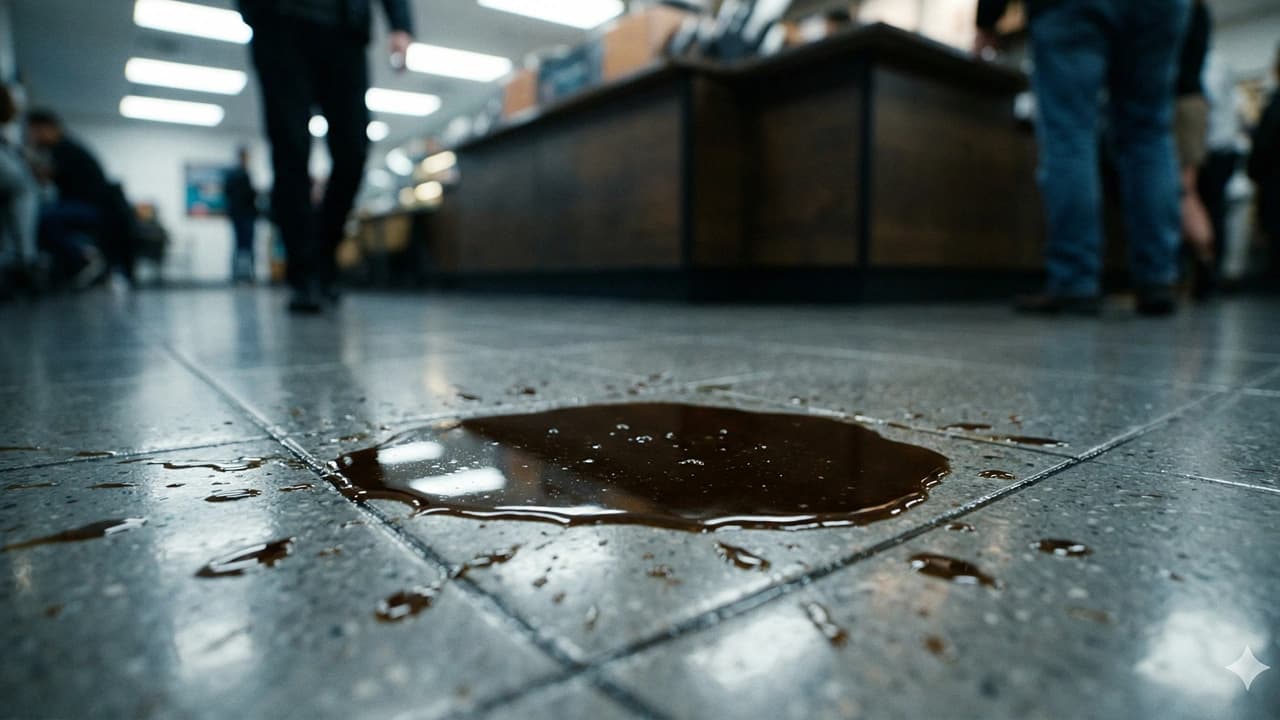
The primary cause of the lawsuit centered on a puddle of spilled coffee left on the restaurant floor. Kelley alleged that while he walked through the shop, he encountered an accumulation of coffee that he did not see. Because the liquid remained on the floor without any warning signs or barriers, Kelley slipped and fell forcefully, his body striking the ground. He argued that the Dunkin' staff created the hazard by spilling the coffee and then failed to clean it up or alert customers to the danger.
Injury
Kelley claimed he sustained a wide range of physical injuries due to the fall, many of which he described as permanent. The impact caused damage to his left elbow and his right lower extremity. Furthermore, the lawsuit detailed extensive spinal trauma, specifically citing injuries to his cervical, thoracic, and lumbar spine. Beyond the localized pain, Kelley suffered from radiculopathy and persistent headaches. These physical ailments led to ongoing mental anguish, frustration, and anxiety as he struggled to cope with his diminished physical state.
Damages Sought
In his legal filing, Kelley sought compensatory damages for the hardships he endured. He specifically requested reimbursement for the money he spent on medical care, medications, and physical therapy. The Plaintiff also anticipated future medical expenses as his treatment continued. Additionally, the lawsuit claimed lost earning capacity, stating that the injuries limited his ability to perform his usual job. Kelley also sought compensation for a lost "enjoyment of life," noting that he could no longer participate in the daily activities he had enjoyed before the accident. The statement of demand indicated that the Plaintiff sought an amount in excess of $15,000.00.
Key Arguments and Proceedings
The litigation moved through the Connecticut Superior Court for over four years, involving multiple Dunkin' corporate entities and franchisees. The Court process included an initial complaint, an amended complaint, and a formal answer from the defense that contested almost every major claim made by the Plaintiff.
Legal Representation
Plaintiff(s): Troy Kelley.
Counsel for Plaintiff(s): R.J. Weber, III | Stephen Haas of Weber & Rubano, LLC.
Defendant(s): Dunkin' Donuts Franchising, LLC | Dunkin' Brands, Inc. | Dunkin' Ventures, LLC | GS Donuts, LLC.
Counsel for Defendant(s): Jonathan P. Ciottone | Richard E. Fennelly, III of McGivney, Kluger, Clark & Intoccia, P.C.
Key Arguments or Remarks by Counsel
The attorneys for both sides presented starkly different versions of the event. Kelley's counsel argued that the Dunkin' entities had a non-delegable duty to maintain a safe store. They emphasized that the coffee had sat on the floor for a sufficient length of time that the staff should have known it was there and cleaned it up.
The defense team, however, challenged the very foundation of Kelley's claims. In their formal answer, they stated they lacked enough information to confirm that Kelley was even in the store or that a fall occurred as described. Their strategy focused on forcing the Plaintiff to prove every single detail of the incident, effectively denying that any negligence on their part caused the alleged injuries.
Claims
Kelley brought multiple counts of negligence against the various Defendants. He alleged that the businesses failed to act with reasonable care. Specifically, he claimed the Defendants were negligent because they did not warn him about the coffee, failed to post "wet floor" signage, and did not create a detour to move customers away from the spill. He argued that the puddle was a "defect" in the premises that the staff should have ameliorated through mopping or other cleaning methods.
Defense
The Defendants fought back by filing a "Special Defense," which shifted the blame onto Kelley himself. They argued that if an accident did happen, it resulted from Kelley's own carelessness. The defense claimed that Kelley failed to keep a proper lookout and simply did not watch where he was walking. They further alleged that he failed to use his senses and faculties reasonably and did not exercise proper care for his own safety. Essentially, the defense contended that Kelley's inability to control his own bodily movements caused his injuries, not a spilled drink.
Jury Verdict
After hearing the evidence and the arguments from both sides, the jury reached a final decision on March 6, 2026. The trial concluded with the jury siding entirely with the businesses.
The jury foreperson, Paul Murphy, signed "Verdict Form B," which is specifically used when the jury finds in favor of the Defendants on negligence claims. The jury determined that the issues were in favor of GS Donuts, LLC and the other Defendants, rather than Troy Kelley. By delivering this verdict, the jury rejected Kelley’s claims that the restaurant's negligence caused his fall and injuries. As a result of this finding, the Plaintiff received no compensatory damages, and the legal responsibility for the June 2020 incident did not fall upon the Dunkin' entities.