

Case Background
Misael Cardenas Rico worked for Performance Auto Wholesalers LLC, a car brokerage and sales company in Miami-Dade County, from roughly November 2013 until June 2024. During his tenure, he cleaned and detailed vehicles that arrived from various states and those being prepared for out-of-state delivery. The company operated under the leadership of Fernando Ivan Prado and Mateo Prado, who managed the daily business decisions and oversaw employee pay.
Cause
The lawsuit centered on alleged violations of the Fair Labor Standards Act (FLSA). Cardenas claimed that although he was a non-exempt employee, his employers failed to pay him the required overtime rate for hours worked beyond the standard 40-hour workweek.
Injury
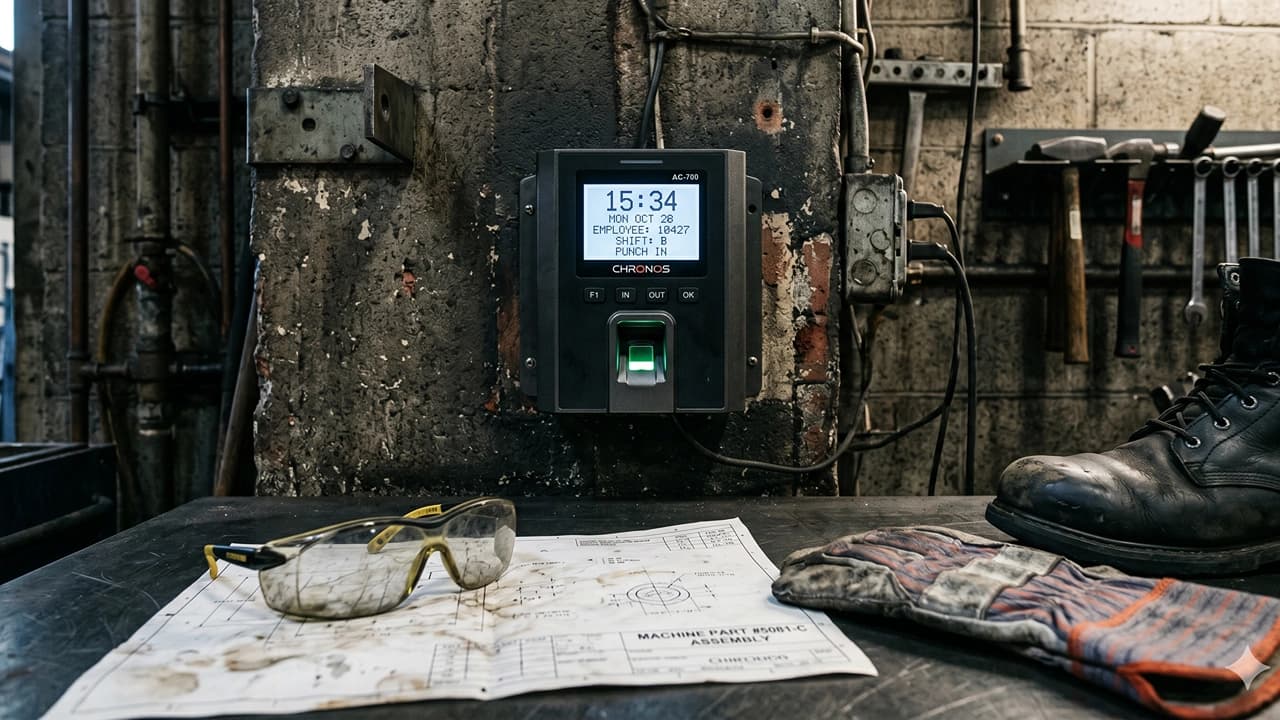
Cardenas alleged that he had regularly and routinely worked more than 40 hours a week without receiving the legally mandated time-and-a-half pay. This lack of proper compensation resulted in financial loss over several years of employment.
Damages Sought
Cardenas asked the Court for back pay for all unpaid overtime hours. He also requested "liquidated damages," which is an additional penalty amount equal to the unpaid wages, and sought the recovery of his legal fees and Court costs.
Key Arguments and Proceedings
The case proceeded to a jury trial in March 2026 after both sides failed to reach a settlement during the earlier phases of litigation.
Legal Representation
Plaintiff(s): Misael Cardenas Rico
Counsel for Plaintiff(s): Brian H. Pollock | Gaelle Winarly Colas | Katelyn Schickman | Patrick Brooks LaRou
Defendant(s): Performance Auto Wholesalers LLC, Fernando Ivan Prado, and Mateo Prado
Counsel for Defendant(s): Adi Amit
Key Arguments or Remarks by Counsel
Claims
Pollock argued that the Prados had intentionally designed a payment structure to avoid overtime obligations. He pointed out that Cardenas received biweekly checks of $1,050 and $450, along with a separate $500 monthly check, which the Plaintiff claimed was a scheme to hide the true nature of his work hours and pay.
Defense
Amit countered that Cardenas had not actually worked the overtime hours he claimed. The defense also argued that the company was too small to be covered by federal overtime laws and that Cardenas’s specific duties did not impact interstate commerce enough to trigger FLSA protections. Additionally, they maintained that even if a mistake had occurred, the business had acted in good faith.
Jury Verdict
On March 25, 2026, the jury reached a unanimous decision. Despite the Plaintiff's claims of long hours and a complex payment system, the jury found in favor of the Defendants.
Findings on Overtime Pay The jury explicitly answered "NO" when asked if Performance Auto Wholesalers and the Prados had failed to pay Cardenas the overtime wages required by law. Because they found no initial violation, the jury did not need to determine if the employers had acted recklessly or what the specific damages should be.
Final Judgment
Following the jury's verdict, Judge Rodolfo A. Ruiz II entered a final judgment in favor of Performance Auto Wholesalers LLC, Fernando Ivan Prado, and Mateo Prado. The Court ruled that Cardenas would receive nothing from the action. The judge ordered the case closed and denied all other pending motions as moot.
Court documents are available upon request at [email protected]