

Case Background
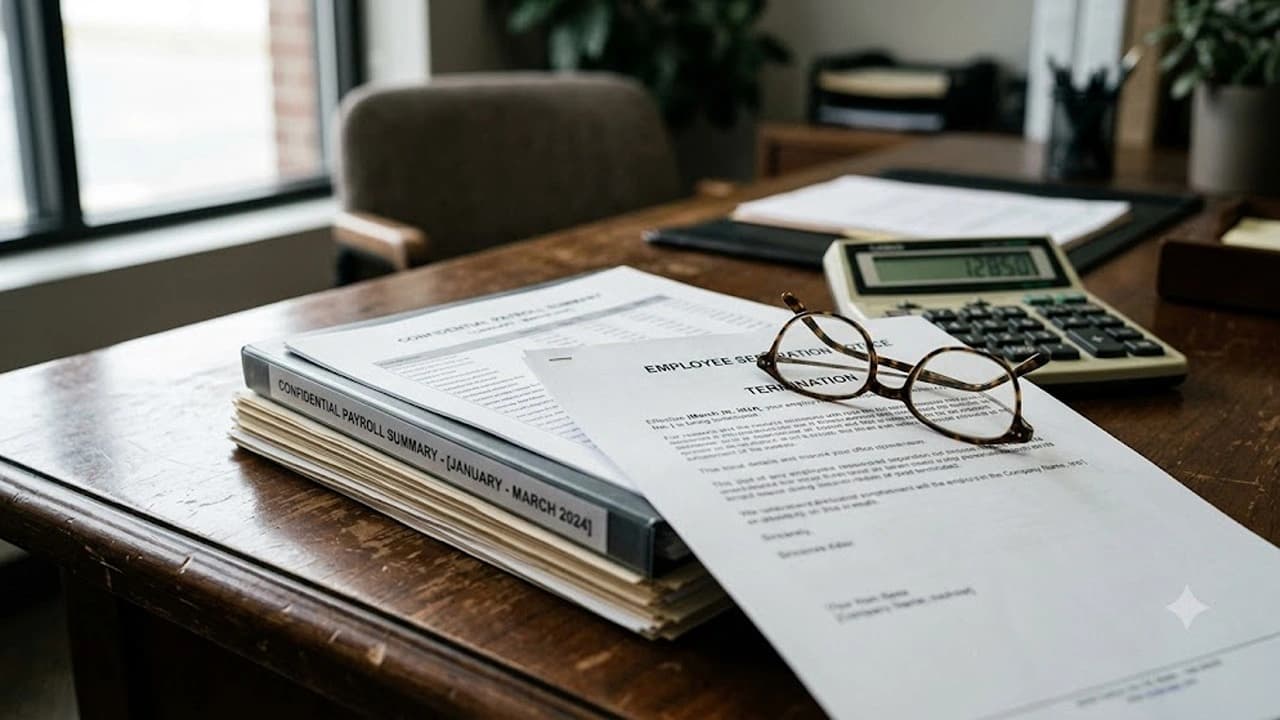
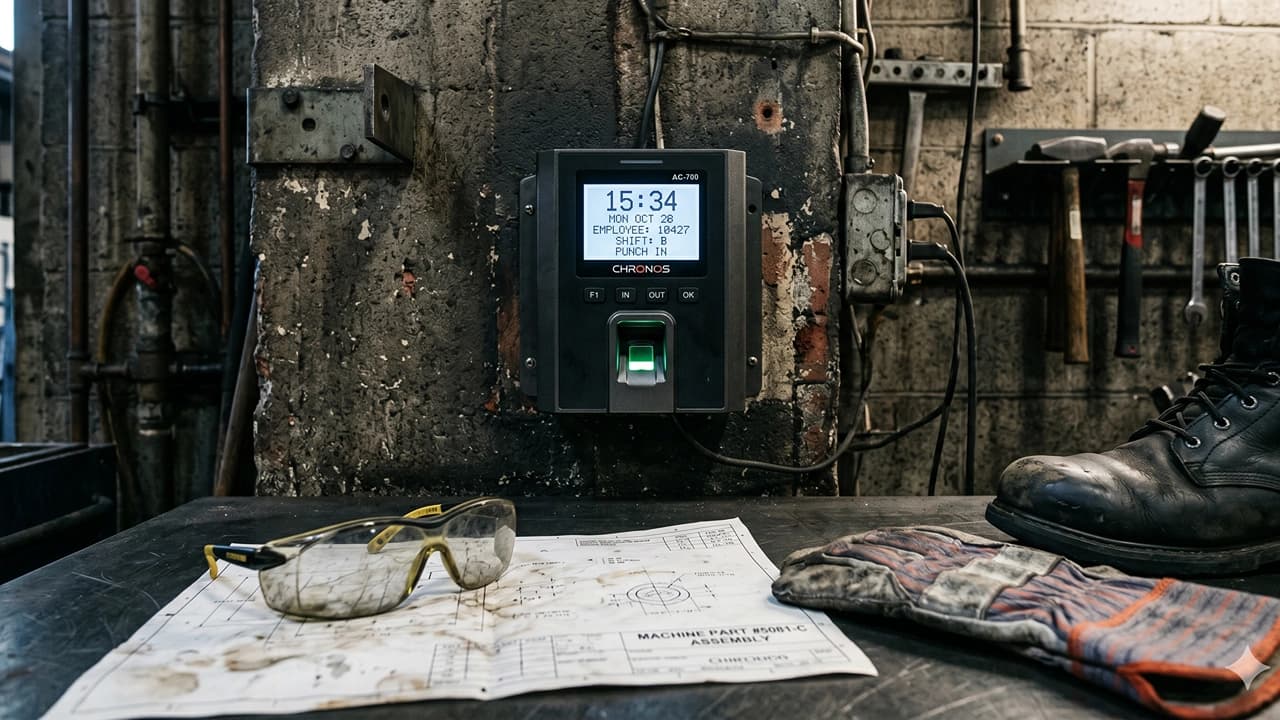
Mr. Burke maintained a long-term employment relationship with Con Edison as a gas troubleshooter mechanic that began in November 2014. Due to a severe vehicle collision, he transitioned to an extended medical leave of absence that lasted over eleven months. This period of leave directly intersected with specific corporate and labor guidelines established between the utility provider and the workers' union. The programmatic framework governing his employment mandated a firm twelve-month ceiling on protected health-related leaves, establishing September 9, 2021, as the final operational deadline for his return to active service.
As this critical administrative deadline approached in the summer of 2021, a sequence of medical clearances, administrative actions, and communication breakdowns took place over several weeks. A third-party insurance evaluation first determined his capacity for alternative placements within the company's internal job market. This was followed by a personal physician clearance and subsequent scheduling delays by human resources. The entire timeline culminated on the final day of his protected leave window with a company physical examination, conflicting instructions from management personnel, and an immediate notification of termination delivered through a union representative.
Cause
The dispute arose from a specific motor vehicle accident on September 9, 2020, while Mr. Burke performed his regular occupational duties. He sat inside a parked company truck when an auxiliary Con Edison vehicle struck the rear of his vehicle. The impact propelled his truck forward into a third corporate vehicle.
Injury
The multi-vehicle collision caused severe structural and physical trauma to Mr. Burke's heart and his left knee. The cardiac injuries required emergency open-heart surgery, which directly incapacitated him from executing any mechanical field functions for over eleven months. Upon his partial recovery, his permanent medical condition imposed explicit physical limits that restricted him from lifting objects weighing more than 25 pounds. A Con Edison medical officer subsequently modified this threshold, capping his physical lifting capability at 20 pounds.
Damages Sought
Mr. Burke requested a broad range of financial and legal remedies for the alleged losses. He sought actual damages to recover lost employment compensation, including back pay, past wages, salaries, and fringe benefits plus legal interest. He pursued compensatory damages to address emotional distress, mental anguish, and a permanent reduction in his economic potential. Furthermore, the lawsuit requested punitive damages, an equal sum as liquidated damages, a formal declaratory judgment, and the full coverage of all reasonable attorney fees and associated Court costs.
Key Arguments and Proceedings
Legal Representation
Plaintiff: Trevor Burke
Counsel for Plaintiff: Perry S. Friedman | Ian Michael Bryson | Maurice Samuel Pianko | Catherine W Lowry
Defendant: Consolidated Edison Company of New York, Inc.
Counsel for Defendant: Christopher A. D'Angelo | Paul Limmiatis | Lincoln Owens Bisbee | Hanna Elizabeth Martin
Key Arguments or Remarks by Counsel
Claims
Mr. Burke raised four distinct legal counts to challenge the validity of his termination. He alleged that Con Edison dismissed him based on his physical impairments, directly violating the Americans with Disabilities Act. He claimed that he remained fully capable of executing all vital elements of his mechanic position despite the lifting limit. He asserted that management completely ignored a Met Life report that identified alternative open roles, such as a repair order clerk, outside deliverer, or production assembler, and entirely failed to initiate a cooperative accommodation dialog.
Mr. Burke further asserted a claim of racial discrimination under Title VII of the Civil Rights Act of 1964. As an African American employee, he argued that Con Edison treated him differently than similarly situated white workers. He highlighted a white gas troubleshooter mechanic, Donny Fox, who also suffered from a severe cardiac condition involving five heart attacks. The lawsuit alleged that Con Edison accommodated Mr. Fox by placing him in the meter department, assigning him a dedicated driver, and providing a regular work partner to eliminate heavy labor. Mr. Burke argued that race was the sole reason the company accommodated the white employee while firing the Black employee for a comparable medical condition. He repeated these exact violations under the New York State Human Rights Law and the New York City Human Rights Law.
Defense
Con Edison denied all allegations of discrimination, retaliation, and bad faith. The company asserted that its operational decisions were guided by neutral, non-discriminatory business needs rather than Mr. Burke's race, color, or physical condition. Management maintained that heavy lifting, pushing, and pulling up to 50 pounds constituted an essential, non-negotiable requirement for anyone working as a gas troubleshooter mechanic. Because Mr. Burke's long-term medical restriction permanently capped his physical lifting capability at 20 pounds, he could not fulfill the core functions of his field role.
The defense also rejected the comparison between Mr. Burke and Mr. Fox, arguing that Mr. Fox worked under different operational demands within the meter department where his restrictions did not conflict with his primary duties. Con Edison asserted that no alternative light-duty vacancies matching Mr. Burke's restrictions were available when his year of protected leave expired. Finally, the company denied bypassing its legal obligations, arguing that it remained willing to communicate and that Mr. Burke was the party responsible for the breakdown of the interactive accommodation process.
Jury Verdict
The entire dispute proceeded to a full jury trial before United States District Judge Dale E. Ho. The jury examined the medical records, evaluated the timelines, and weighed the testimony regarding workplace policy and comparator treatment. On May 15, 2026, the jury completed its deliberations and returned a complete verdict in favor of the defense, rejecting every claim of discrimination.
Judge Ho issued a final judicial order on May 18, 2026, instructing the Court administration to formally record the resolution of the action and close the case file. In direct accordance with the jury's verdict, the Court entered judgment for Con Edison on the primary count of disability discrimination under the Americans with Disabilities Act. The Court also entered judgment for the defense on all remaining counts under the New York State Human Rights Law and the New York City Human Rights Law.
Court Clerk Tammi M. Hellwig recorded the final judgment on May 19, 2026. The final entry established that the jury found no legal or factual basis to hold Consolidated Edison liable for race or disability discrimination. The Court awarded no financial compensation, back pay, compensatory damages, or punitive damages to Mr. Burke, and the lawsuit was officially closed.
Court documents are available upon request at [email protected]