
Case Background
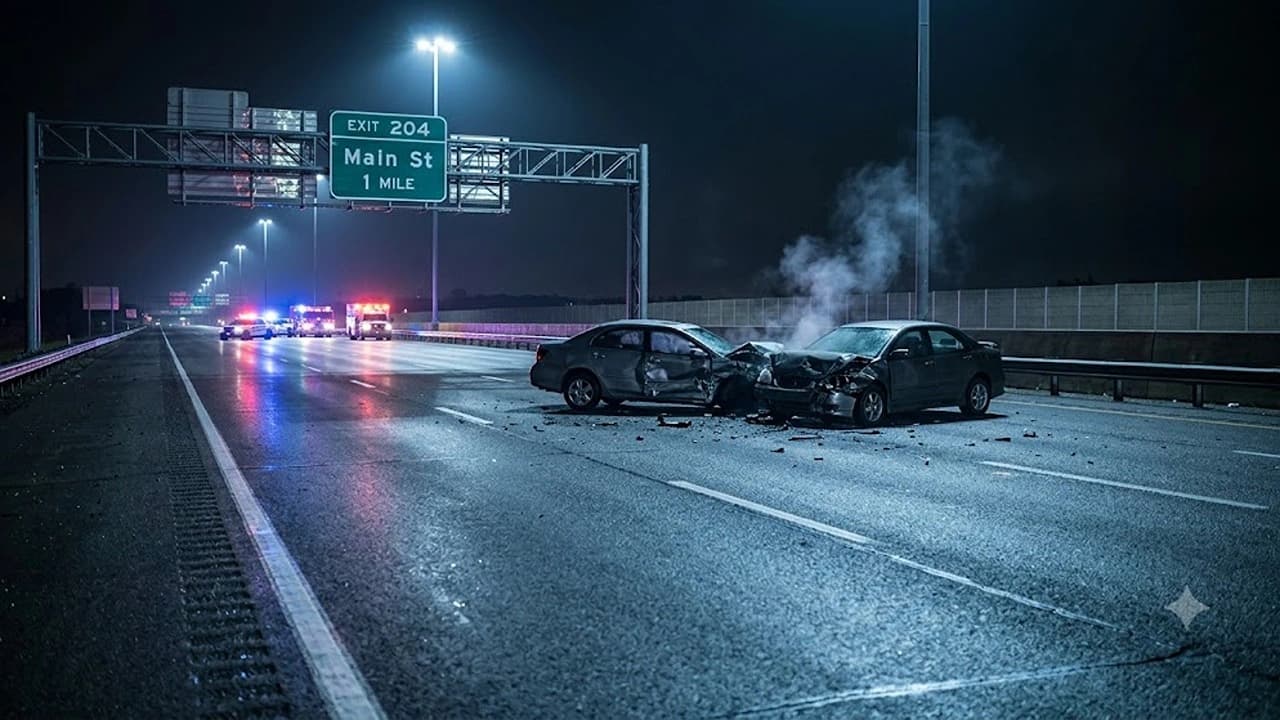
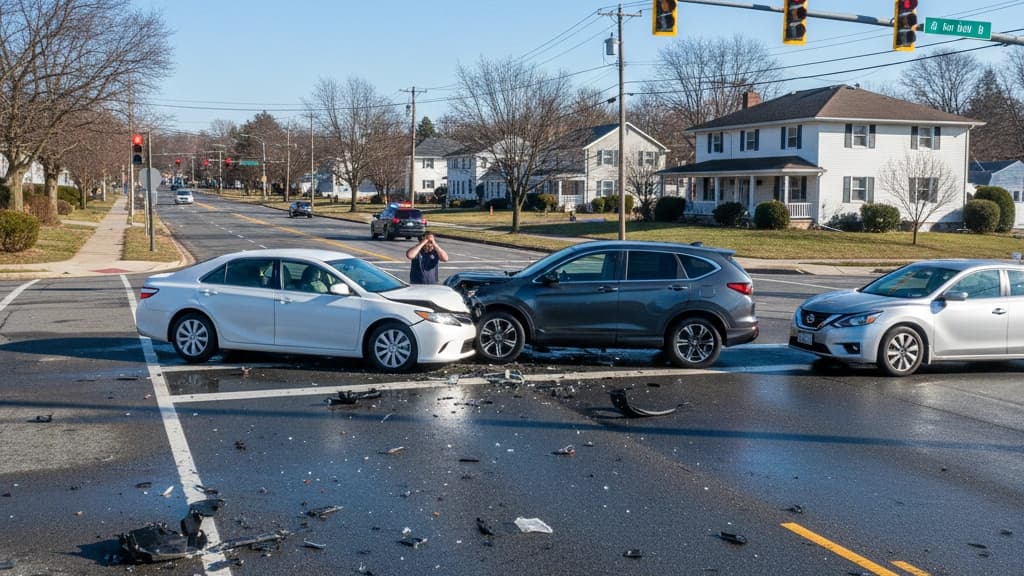
The legal dispute originated from a multi-vehicle accident on the morning of June 22, 2023, in Manchester, Connecticut. At approximately 10:10 a.m., Julian Davey-Brinson traveled south on Adams Street toward the intersection of New State Road. Simultaneously, Susan Colanti drove her vehicle north on Adams Street. The collision sequence began when Alberto Diaz, who had been traveling on New State Road, entered the intersection. While the parties disputed the exact light colors, the Plaintiff alleged that Colanti ran a red light, struck Diaz’s vehicle, and then veered into the opposite lane to collide with Davey-Brinson. Conversely, an amended version of the claim suggested Diaz entered the intersection against a red signal, causing the initial impact that forced Colanti’s car into the Plaintiff's path.
Cause
The "Cause" in this case refers to the specific acts of negligence or reckless behavior that directly led to the accident. The Plaintiff’s legal team argued that Susan Colanti failed to keep a proper lookout, lost control of her vehicle, and failed to apply her brakes in time to avoid the crash. Most notably, the Plaintiff charged Colanti with violating Connecticut General Statutes §14-299 by failing to obey a red traffic signal. Additionally, the Plaintiff initially claimed that Alberto Diaz set the entire accident in motion by entering the intersection against the red light, though the jury eventually cleared him of this responsibility.
Injury
Julian Davey-Brinson sustained several serious physical injuries because of the high-impact collision. Medical evaluations identified that the Plaintiff suffered from post-traumatic headaches and significant muscle and joint issues, specifically including cervical strain, thoracic strain, lumbar strain, and sacroiliac joint strain. These injuries resulted in a noticeable reduction in the Plaintiff's physical capabilities and general quality of life.
Damages Sought
The Plaintiff sought compensation for the extensive losses incurred following the accident. These damages included the cost of professional medical care, diagnostic x-rays, ongoing physical therapy, and various medicines. Beyond quantifiable medical bills, Davey-Brinson pursued recovery for the physical pain, suffering, and the permanent diminishment of her ability to engage in daily physical activities.
Key Arguments and Proceedings
Legal Representation
Plaintiff: Julian Davey-Brinson
Counsel for Plaintiff: David M. Poirot
Defendant: Susan Colanti and Alberto Diaz
Counsel for Defendant Susan Colanti: Michael Carreira
Counsel for Defendant Alberto Diaz: Kristopher C. Perez
Key Arguments or Remarks by Counsel
Plaintiff's Claims of Negligence
The Plaintiff’s legal team argued that both drivers involved in the initial collision shared responsibility for the resulting chaos. In the initial counts against Susan Colanti, the Plaintiff asserted that Colanti failed to keep a proper lookout, lost control of her vehicle, and failed to apply her brakes in time to avoid the crash. Most notably, the Plaintiff charged Colanti with violating Connecticut General Statutes §14-299 by failing to obey a red traffic signal. Later, the Plaintiff added Alberto Diaz as an apportionment Defendant, claiming he had actually been the one to enter the intersection against the red light, thereby setting the entire accident in motion.
Claims of Reckless Misconduct
The Plaintiff’s attorney pushed for a higher level of liability against Susan Colanti by alleging reckless disregard for safety under C.G.S. §14-295. This argument centered on the claim that Colanti failed to stay in her designated lane of travel, which constituted more than mere negligence and served as a substantial factor in the Plaintiff's injuries.
Defense and Denials
Alberto Diaz, represented by the Law Offices of Cynthia M. Garraty, denied the core allegations of negligence leveled against him. In his formal answer to the amended complaint, Diaz admitted to being present at the scene but specifically challenged the claim that his actions caused the collision. Regarding the specific details of the impact and the severity of the Plaintiff's injuries, Diaz maintained that he lacked sufficient knowledge to admit to those facts and demanded that the Plaintiff provide strict proof in Court. He further chose not to respond to the counts directed solely at Susan Colanti, effectively distancing his defense from her alleged traffic violations.
Jury Verdict
The trial concluded in the Superior Court at Hartford before Honorable Kaitlin A. Halloran. After deliberating on the evidence and the conflicting accounts of which driver had the red light, the jury reached its decision on December 18, 2025. The jury foreperson, Cassidy, delivered the verdict which assigned total responsibility for the accident.
The jury determined that Alberto Diaz carried 0% of the liability for the motor vehicle accident. Consequently, because the jury found Diaz was not at fault, the Court entered a verdict in his favor.
In contrast, the jury found Susan Colanti 100% liable for the collision that injured Julian Davey-Brinson. This finding meant the jury believed the evidence supported the claims that Colanti’s negligence or recklessness was the sole cause of the crash. The Court accepted and recorded the verdict, officially concluding the litigation in favor of the Plaintiff against Colanti.
Court Documents