
Case Background
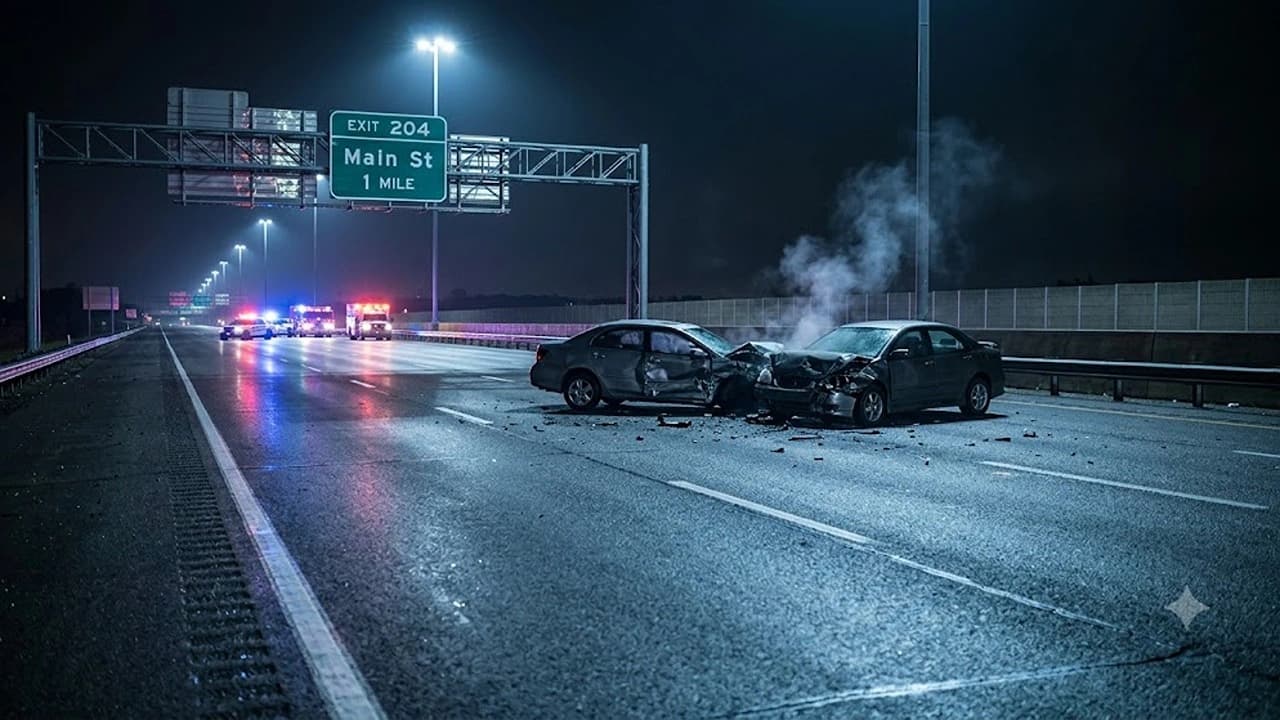
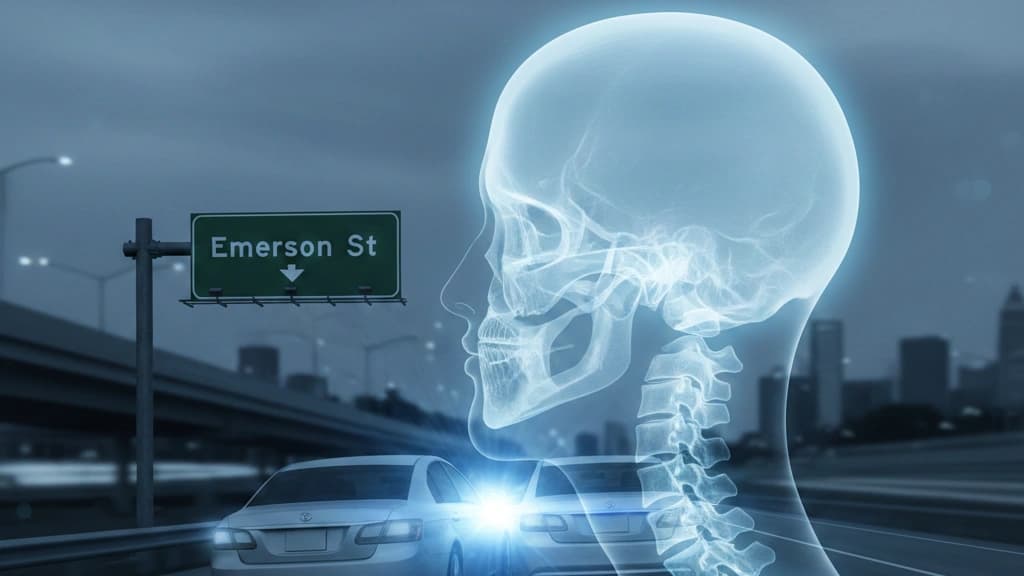
This legal dispute began following a motor vehicle collision that occurred in the late morning of April 30, 2024, in Jacksonville, Florida. Cameca O. Williams, a resident of Duval County, traveled as a passenger in a vehicle heading northbound on Interstate 95. As the vehicle approached the exit ramp for Emerson Street, Scarlett R. Madison, also a resident of Jacksonville, operated her vehicle directly behind them.
Cause
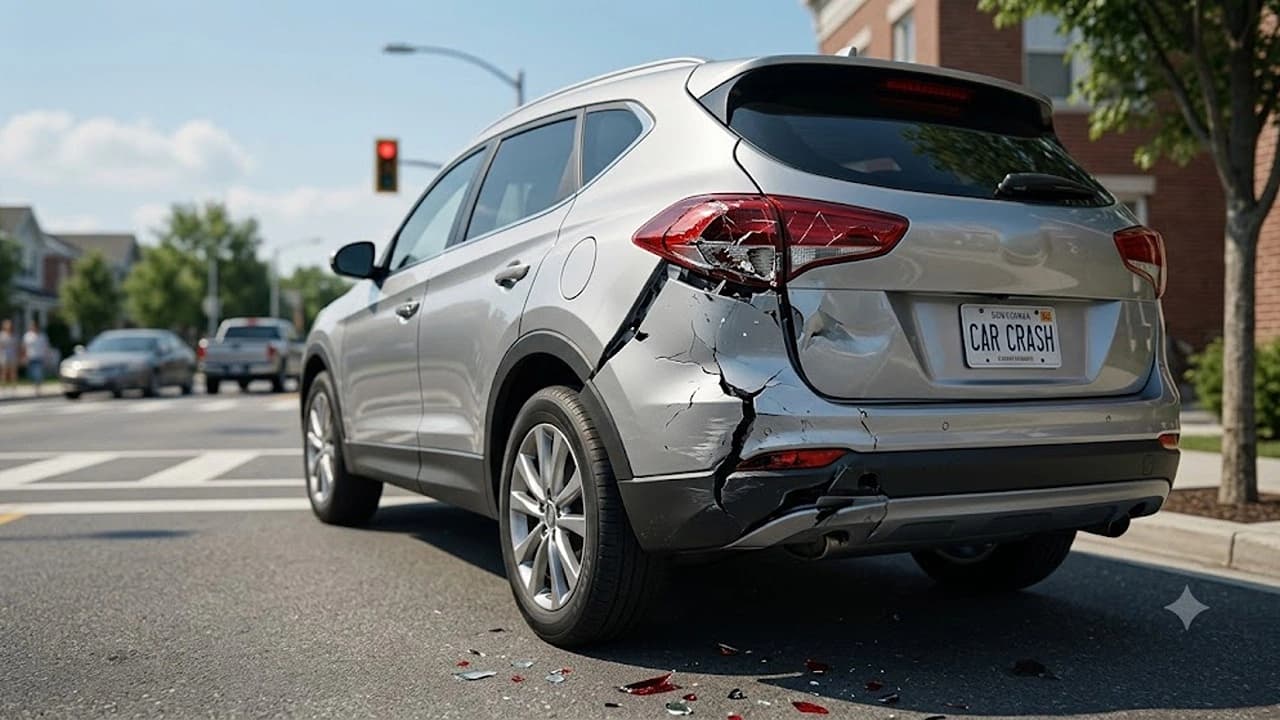
The incident occurred when Scarlett R. Madison failed to maintain a safe distance or clear path, resulting in a rear-end collision. Williams alleged that Madison breached her duty to operate her motor vehicle with reasonable care for other motorists on the road.
Injury
As a direct result of the impact, Williams suffered significant bodily injuries. The initial complaint detailed a range of physical and emotional damages, including mental anguish, physical disfigurement, and a loss of capacity to enjoy life. Furthermore, Williams claimed the crash aggravated previously existing physical conditions, leading to a need for hospitalization and ongoing nursing care. Williams asserted that these injuries were either permanent or continuing in nature, requiring medical attention well into the future.
Damages Sought
Williams filed a formal complaint seeking compensation in excess of $50,000.00. This demand covered past medical expenses, the cost of future care, and lost earnings due to her inability to work following the accident.
Key Arguments and Proceedings
The litigation moved through the Fourth Judicial Circuit Court in Duval County under the supervision of the Clerk of Court. Both parties demanded a trial by jury to resolve the disputes regarding negligence and the extent of the damages.
Legal Representation
Plaintiff: Cameca O. Williams
· Counsel for Plaintiff: Brian M. Flaherty | Frank Fratello, Jr
· Experts for Plaintiff: Victoria Spruance | Shaun Janse Van Rensburg | Kevin Murphy | Christopher Roberts | Michael Petr | Stephen Fierro | Pavel Balduyeu
Defendant: Scarlett R. Madison
· Counsel for Defendant: Brian J. Aull | Brittany L. Rubino | Victoria Marie Merritt | Chelsea Alexandra Pietrzak | Jori Akeem McKain
· Experts for Defendant: J. Kevin Brooks | Michael Shahnasarian | Daniel Cousin
Key Arguments or Remarks by Counsel
The legal teams focused on the standard of care expected of drivers and the medical necessity of the treatments Williams received. The Plaintiff’s counsel argued that the rear-end nature of the crash placed the responsibility squarely on the Defendant, while the defense sought to limit the financial impact by questioning the origin of the Plaintiff's pain.
Claims
The Plaintiff argued that the negligence of Scarlett R. Madison served as the sole legal cause of her injuries. Williams emphasized that she had been a passive passenger who could have done nothing to avoid the impact. Her claim centered on the idea that the collision fundamentally altered her physical well-being and created a financial burden through rising medical bills.
Defense
Scarlett Madison and her legal team provided a robust defense, initially denying the allegations of negligence and the extent of the reported injuries. They raised several affirmative defenses to mitigate potential payouts. Notably, the defense suggested that Williams might have contributed to her own injuries by failing to wear a seatbelt at the time of the crash.
The defense also pointed to the possible involvement of a third party, William Morales, alleging he may have stopped abruptly or failed to yield properly, thereby contributing to the chain of events. Additionally, Madison's counsel argued that some of the medical conditions Williams claimed were actually pre-existing issues or the result of accidents that occurred after the April 30 incident.
Jury Verdict
After hearing the evidence presented during the trial, the jury reached a decision on January 8, 2026. The jurors first addressed the fundamental question of liability. They determined that the negligence of Scarlett R. Madison was indeed a legal cause of loss, injury, or damage to Cameca O. Williams.
Medical Expenses Awarded
Once they established liability, the jury calculated the specific financial losses related to medical care. They awarded Williams $63,287.70 for medical expenses she had already incurred in the past. Looking toward the future, the jury decided that Williams would require continued care and awarded her an additional $60,000.00 for future medical expenses.
Permanent Injury Determination
A pivotal moment in the verdict involved the assessment of long-term damage. The jury was asked to decide if Williams had sustained a permanent injury as a result of the collision. Despite the Plaintiff's claims of ongoing suffering and disability, the jury checked the "NO" box for this question.
Final Decision on Pain and Suffering
Because the jury found that the injuries did not meet the threshold for permanency, they followed the Court's instructions to skip the section regarding damages for pain and suffering, physical impairment, and loss of enjoyment of life. Consequently, no monetary value was assigned to those specific categories for the past or the future. The final verdict focused exclusively on the tangible medical costs resulting from the accident.