
Case Background
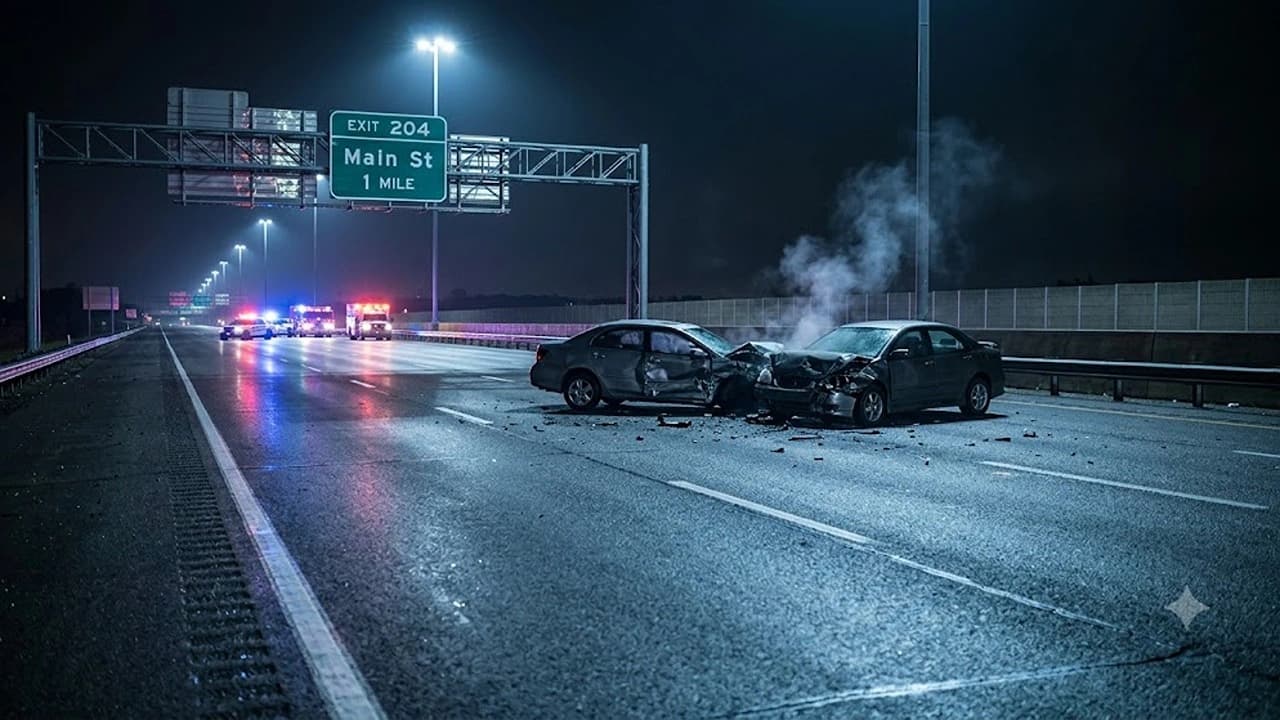
The civil case of Jeffery Sharp v. Marlon Williams unfolded in the State Court of DeKalb County, Georgia. It centered on a personal injury claim arising from a motor vehicle crash. Jeffery Sharp, the Plaintiff, brought the case against Marlon Williams, alleging negligent driving. Williams carried insurance coverage through State Farm Mutual Automobile Insurance Company. Before trial, Sharp’s attorneys issued a $100,000 demand to settle the matter, but State Farm declined to accept it, and the case moved forward to a jury trial. The primary dispute revolved around how the crash happened, who bore the greater share of fault, and the extent of Sharp’s injuries and losses.
Cause that led to the dispute
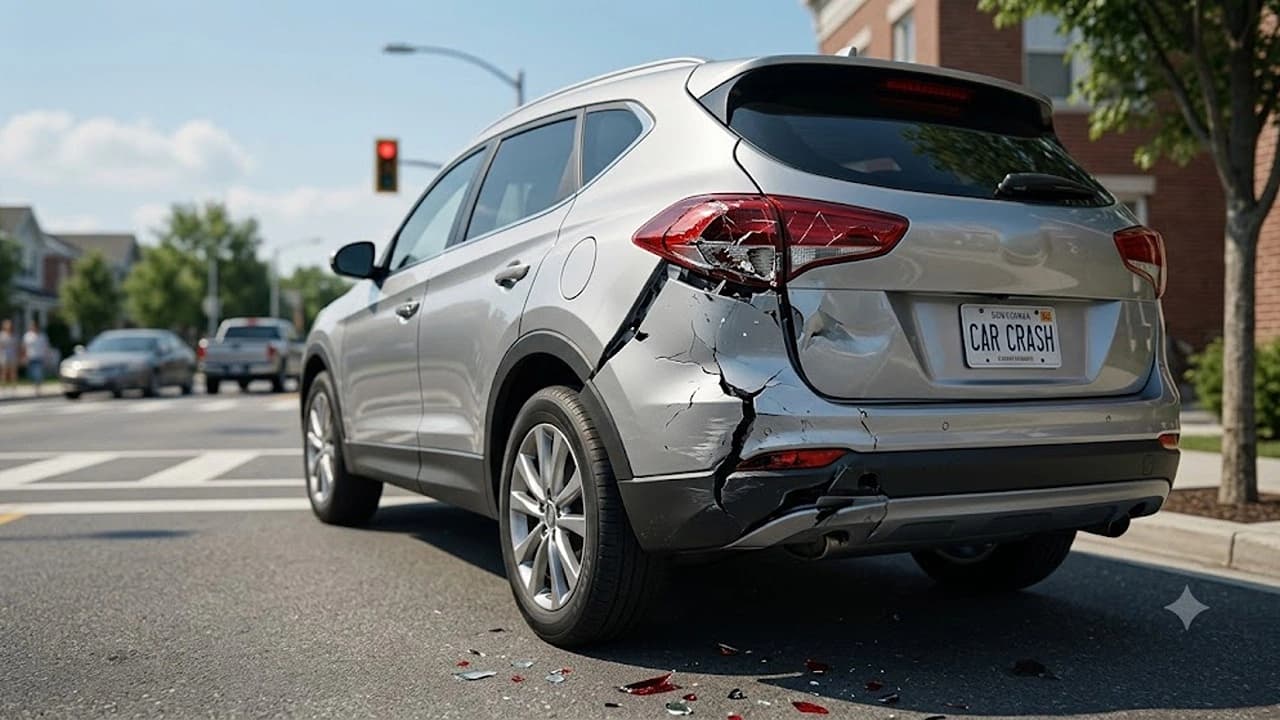
The incident occurred when Marlon Williams rear-ended Sharp’s vehicle. According to Sharp’s attorneys, Williams failed to keep a proper lookout, followed too closely, and reacted too slowly to avoid hitting him. They contended the Defendant’s actions amounted to clear negligence under Georgia traffic law. Williams’s defense countered that Sharp also played a role in causing the collision, suggesting that Sharp stopped abruptly without adequate warning. The case became a contest over liability apportionment, with each side pointing to the other’s driving conduct as the primary cause.
Injury
Sharp sustained serious spinal injuries in the crash. Medical evaluations showed trauma to both his neck and lower back. He underwent continuous treatment, including physical therapy and pain management, and received diagnoses confirming permanent spinal limitations. These injuries restricted his ability to work, limited his physical activity, and interfered with daily living. Testimony at trial described how the collision permanently altered his lifestyle, leaving him with ongoing pain and diminished mobility. His doctors projected that the impairments would remain for the rest of his life.
Damages
Sharp’s legal team sought compensation for multiple categories of loss. This included past and future medical expenses, lost wages, reduced earning capacity, and non-economic damages for pain, suffering, and loss of enjoyment of life. Evidence presented at trial detailed the financial strain caused by the crash, along with the psychological impact of living with constant pain. The attorneys emphasized that the insurer’s rejection of the $100,000 pre-suit demand had forced a lengthy and costly trial process, prolonging Sharp’s hardship. They asked the jury to consider not only the visible physical injuries but also the lasting emotional and financial effects.
Key Arguments and Proceedings
Legal Representation
Plaintiff: Jeffery Sharp
Counsel for Plaintiff: Dennis Sawan | Teana S. Overton | Drew Gilliland | Jamie S Cox | Dennis Sawan | Maxwell K Thelen
Defendant: Marlon Williams
Counsel for Defendant: Curtis W. Anderson
Key Arguments by Counsel
For Sharp, the central argument was that Williams’s failure to maintain a safe distance and pay attention to road conditions left no doubt as to fault. His attorneys stressed that the rear-end nature of the collision, supported by state traffic laws, placed primary responsibility on the trailing driver. They reminded jurors that State Farm had been given a fair opportunity to settle for a reasonable sum before trial but chose to fight the case instead.
For Williams, counsel emphasized that Sharp’s abrupt stop and lack of warning created an unavoidable situation. They argued that the conditions of the roadway and other traffic factors left Williams with insufficient time to react. The defense also tried to shift the conversation to the severity of the injuries, suggesting they were exaggerated or related to pre-existing conditions rather than entirely caused by the crash.
Claims
Sharp’s claims were built on negligence, seeking to prove that Williams breached his duty to operate a vehicle safely and that this breach caused the accident and resulting injuries. The allegations included failure to keep a proper lookout, following too closely, and failing to respond in time to avoid impact. His attorneys also positioned the case as an example of an insurer’s unwillingness to fairly evaluate claims before trial.
Defense
The defense relied on comparative negligence principles. Their strategy was to argue that Sharp’s own driving decisions were a significant contributing factor. They maintained that he stopped abruptly in traffic, forcing Williams into a situation where collision avoidance was impossible. This narrative aimed to reduce Williams’s liability percentage and, by extension, limit the damages owed.
Jury Verdict
On April 25, 2025, the jury returned a verdict in favor of Jeffery Sharp. They awarded total damages of $3.25 million. Fault was apportioned at 83% to Williams and 17% to Sharp, meaning the Defendant carried the overwhelming share of responsibility. The jury’s decision reflected a rejection of the defense’s attempts to minimize the injuries and shift substantial blame to Sharp.
Reports from Law.com’s Daily Report indicated that jurors were influenced by both the credibility of the Plaintiff’s expert testimony and the insurer’s refusal to accept a reasonable pre-trial settlement.
Court documents are available upon request at [email protected]