
Case Background
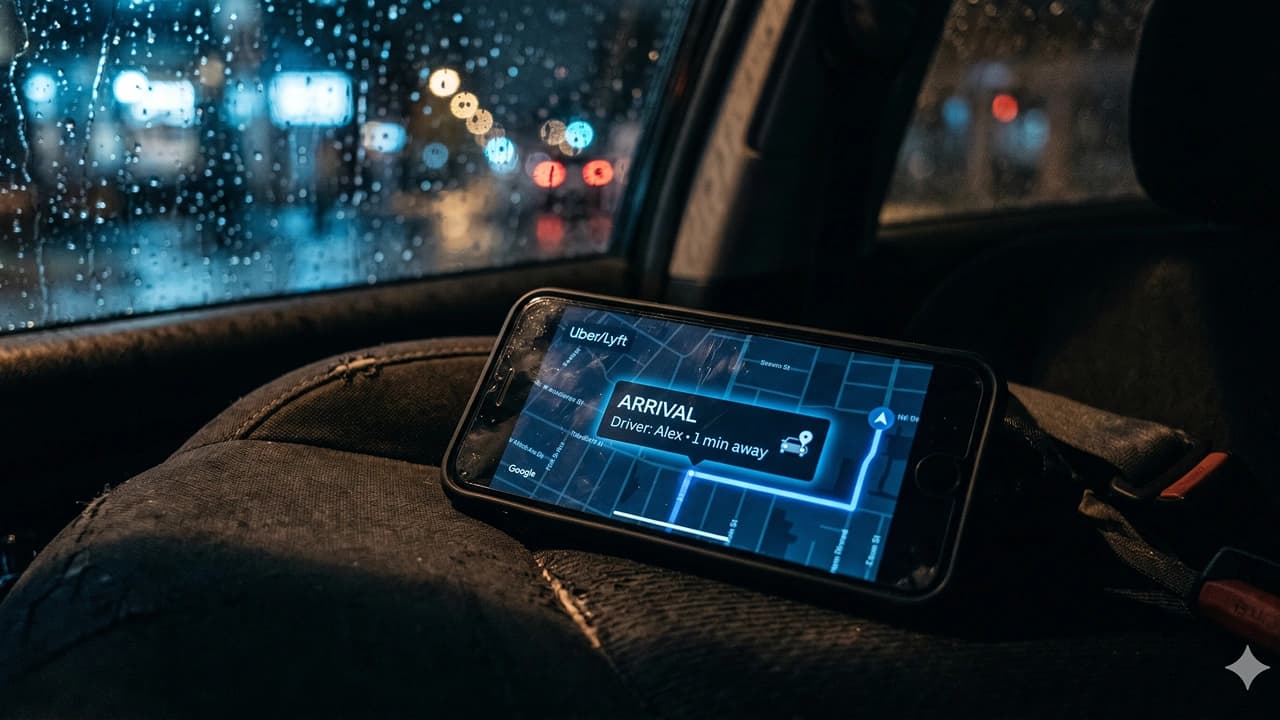
The legal battle began after a woman, identified in Court records as WHB 823, hailed a ride through the Uber app in Wake County, North Carolina. On March 26, 2019, the Plaintiff expected a routine trip to her destination, but the encounter turned into a nightmare when her driver, Jeffrey Richardson, allegedly attacked her.
Before the incident took place, Uber had marketed itself as a safe and reliable transportation option. However, the Plaintiff claimed that the company failed to live up to these promises by allowing a dangerous driver to remain on the platform. After the assault, the Plaintiff sought legal counsel and eventually joined a massive group of similar lawsuits against the ride-sharing giant. Because so many passengers across the country filed similar complaints, the Courts consolidated the cases into a single "Multidistrict Litigation" (MDL) based in San Francisco to handle the shared legal issues more efficiently. Although the case moved through the federal Court system in California, the ultimate trial and verdict were finalized in the Western District of North Carolina.
Cause
The primary cause of the lawsuit was a sexual assault and battery that occurred during a ride facilitated by the Uber platform. The Plaintiff argued that the driver’s actions were the direct result of Uber’s systemic failures in its safety protocols.
Injury
The Plaintiff suffered significant physical and emotional distress stemming from the assault. She alleged that the experience left her with lasting trauma and psychological scars.
Damages Sought
In her complaint, the Plaintiff requested a variety of financial awards to compensate for her suffering. These included economic damages for any financial losses, non-economic damages for her pain and emotional distress, and punitive damages intended to punish Uber for its alleged negligence and deter similar conduct in the future. She also asked the Court to cover her legal fees and the costs of the lawsuit.
Legal Representation
Plaintiff(s): WHB 823
· Counsel for Plaintiff(s): John Eddie Williams, Jr | Brian Abramson | Margret Lecocke | Walt Cubberly | Batami Baskin | Myles Shaw | Brett E. Dressler | Erick Rosemond | John Boundas | Joseph Melugin | Sejal K. Brahmbhatt | Stasja Drecun | Roopal P. Luhana | Alexandra M. Walsh | William L. Smith | Andrew Kaufman | Sarah R. London | Ellyn H. Hurd | Thien An Vinh Truong | Rachel Abrams | Tiffany R. Ellis
· Expert for Plaintiff: Veronique Valliere
Defendant(s): Uber Technologies, Inc | Rasier, LLC | Rasier-CA, LLC.
· Counsel for Defendant(s): Bradley R. Kutrow | Allison Meghan Brown | Caroline Power | Geoffrey M. Wyatt | Jessica Davidson | Laura Vartain | Michael Vives
· Expert for Defendant: Joseph Okpaku
Key Arguments or Remarks by Counsel
Claims
The Plaintiff’s legal team presented a multi-layered argument focusing on Uber's responsibility for the safety of its passengers. They argued that Uber was negligent in how it hired, supervised, and retained its drivers. The lawyers claimed that the company had committed fraud by misrepresenting the safety of the service to the public. Furthermore, they asserted that Uber should be held "vicariously liable," meaning the company was responsible for the driver's actions because he was acting as their agent or employee at the time of the attack. The Plaintiff also raised claims of "strict products liability," arguing that the Uber app itself was a "defective product" because it lacked sufficient safety features to protect riders from known risks of assault.
Defense
Uber’s defense team pushed back against the idea that the company should be held responsible for the criminal acts of an individual driver. While they did not necessarily deny that an incident occurred, they argued that drivers are independent contractors, not employees, which they believed shielded the company from direct liability for the driver's personal conduct. The defense maintained that Uber had met its legal obligations and that the platform was a technology service rather than a traditional transportation company.
Jury Verdict
After hearing the evidence and considering the arguments from both sides, the jury reached a decision on April 20, 2026. The jury specifically focused on the actions of the driver and whether a battery had indeed taken place.
The jurors answered "Yes" to the question of whether Jeffrey Richardson committed a battery against the Plaintiff. Having established that the assault occurred, the jury then determined the financial compensation appropriate for the Plaintiff's injuries.
The jury awarded the Plaintiff a total of $5,000.00 in damages. The verdict form was signed by the jury foreperson and officially filed with the U.S. District Court for the Western District of North Carolina, bringing this specific chapter of the ongoing Uber litigation to a close.
Court documents are available upon request at [email protected]