
Case Background
On July 4, 2020, a holiday celebration in a quiet Miami neighborhood turned into a legal battle that lasted over four years. The case centered on an injury suffered by Darlus L. West, who claimed he was struck in the eye by a firework launched from a party at the home of Javon and Taron Bethel. West argued that the Bethels either provided or allowed fireworks to be set off during their gathering, creating a dangerous condition that extended beyond their property line and into the public sidewalk.
West’s lawsuit alleged that the Bethels failed to maintain their property safely and failed to protect pedestrians from foreseeable harm. The case raised broader questions about responsibility during private celebrations, particularly when injuries occur off the homeowner’s property but are linked to activity originating there.
Cause
West filed a negligence action against both Javon and Taron Bethel. He asserted that they had breached their legal duty to maintain a safe environment and prevent dangerous conditions from affecting passersby. According to the complaint, the Bethels had hosted a party at their residence at 16631 S.W. 105th Avenue, Miami, and either provided or allowed guests to use fireworks.
West claimed that one of the fireworks flew off the Bethels’ property and struck him while he was walking on the public sidewalk, causing serious injury to his right eye.
Injury
The Plaintiff said the explosion caused lasting damage to his eye and face. His complaint described pain and suffering, disfigurement, loss of enjoyment of life, and emotional distress, along with medical expenses and lost earnings. He also claimed that his injuries aggravated a preexisting condition, further reducing his ability to work and enjoy normal activities.
Damages Sought
West sought monetary damages exceeding $30,000, as required for a civil action in circuit Court. His claim included compensation for:
Past and future medical expenses
Pain and suffering
Mental anguish
Loss of capacity for the enjoyment of life
Disability and disfigurement
Lost wages and diminished earning capacity
His legal team argued that the injury had a permanent effect on his vision and quality of life.
Key Arguments and Proceedings
Legal Representation
Plaintiff: Darlus L. West
· Counsel for Plaintiff: Lawrence N. Freshman | Eric C. Morales
Defendants: Javon Bethel | Taron Bethel
· Counsel for Defendants: Michael H. Galex
· Experts for Defendants: C. Maxwell Meder
Claims
West’s complaint focused on negligence, asserting that the Bethels had either created or permitted a dangerous situation by allowing fireworks to be used during their party. He said the Bethels:
Failed to control guests or prevent unsafe use of fireworks.
Allowed projectiles to enter public spaces, endangering pedestrians.
Did not warn of potential hazards.
Failed to maintain their property in a reasonably safe condition.
The complaint emphasized that the fireworks “invaded the sidewalk and street directly in front of Defendants’ house,” transforming a celebration into a foreseeable risk to the public.
Defense
In their Answer and Affirmative Defenses, the Bethels denied all allegations of negligence. Their attorney, Michael Galex, argued that:
West was negligent himself, and his own carelessness contributed to or caused his injuries.
The alleged injury did not arise from a dangerous property condition, meaning premises liability did not apply.
The Bethels could not be held responsible for the acts of others unless their direct negligence was proven.
Comparative fault and apportionment of liability should apply if multiple parties contributed to the event.
Any damages should be reduced by collateral sources and limited to the actual amounts paid for medical treatment.
If West’s injury involved any preexisting medical condition, compensation should be limited to its aggravation, not the entire condition.
Finally, they contended that West knew and voluntarily accepted the risks of being near active fireworks, making his claim barred by assumption of risk.
Key Arguments or Remarks by Counsel
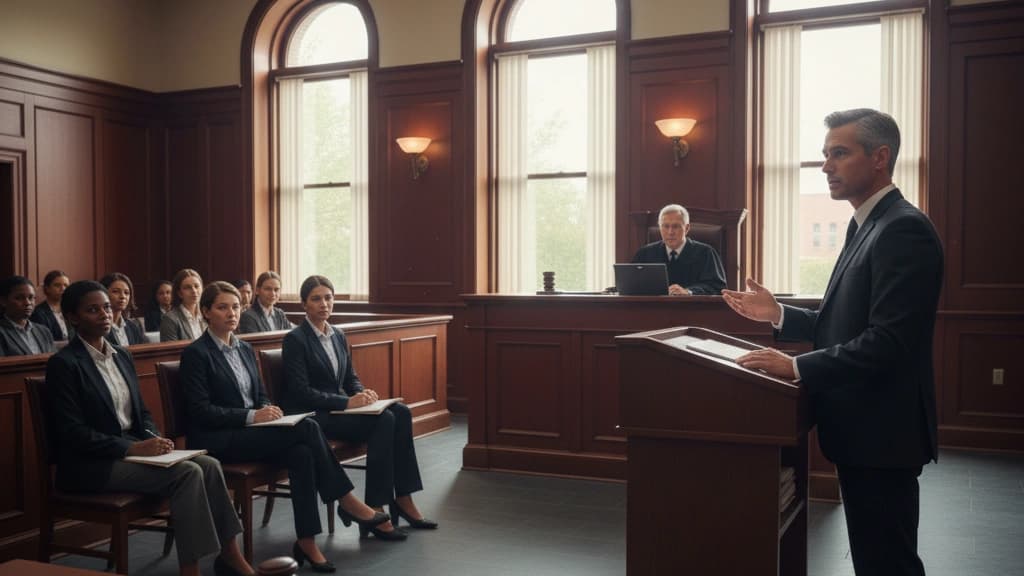
During trial, the Plaintiff’s counsel painted a picture of negligence that extended beyond the Bethels’ backyard. They told jurors that the couple’s decision to host a large Independence Day party in a residential neighborhood with guests setting off fireworks was reckless. The Plaintiff argued that the Bethels should have anticipated the risk that fireworks might travel outside their property, especially near a sidewalk where pedestrians routinely passed.
The defense countered that there was no direct proof the firework that injured West came from their property or was launched by them or their guests. Defense counsel stressed that West’s injury could have resulted from fireworks set off elsewhere in the neighborhood that night, as July Fourth celebrations were widespread.
The defense also questioned the credibility of eyewitness accounts, noting that fireworks were being launched from multiple nearby houses. They argued that without clear evidence tying the projectile to the Bethels’ property, the Plaintiff’s case relied too much on assumption and speculation.
Jury Verdict
After a full trial before the Circuit Court of the Eleventh Judicial Circuit in and for Miami-Dade County, the jury returned a verdict in favor of the Defendants, Javon Bethel and Taron Bethel. The jurors unanimously found that neither Defendant was negligent in a manner that legally caused injury or damage to the Plaintiff, Darlus L. West. Because the jury answered “No” to both negligence questions, they did not assess any damages for pain and suffering, disability, or loss of enjoyment of life. The verdict, dated November 22, 2024, brought the case to a close with no liability and no monetary award against the Bethels. The decision effectively cleared the couple of responsibility for the Plaintiff’s injuries, concluding that West failed to prove by the greater weight of the evidence that the fireworks that struck him originated from the Defendants’ property or that they breached any duty of care.