
Case Background
The case of Luis Rosa v. Paredim Partners LLC and River Owner LLC unfolded in the Superior Court of Waterbury, Connecticut. Luis Rosa lived at the Rivers Edge Apartments, a complex managed and controlled by the Defendants. On September 22, 2021, Rosa went to the property office of the apartment complex to meet with an employee. The encounter started as a routine visit. He spoke with the staff member about property issues. Nothing seemed unusual until Rosa tried to leave the office.
As he moved toward the door, the staff member swung it shut. The employee believed Rosa had already exited. Instead, Rosa was still in the doorway. The door slammed onto his right arm and hand, pinning him against the frame. What began as an ordinary conversation turned into a sudden accident. Rosa later said that the employee had not taken a moment to check whether he was clear of the doorway before closing the heavy door.
The incident set the stage for a legal battle. Rosa blamed the companies that owned and controlled the property, Paredim Partners LLC and River Owner LLC. He claimed their employee’s carelessness caused his injuries and disrupted his life.
Cause
Rosa built his lawsuit around negligence. He argued that the staff member closed the office door too quickly and without care. He stressed that the employee failed to check whether he was still passing through. The sudden action trapped his arm and injured his shoulder, hand, and finger. Rosa said these injuries resulted directly from the employee’s lack of caution. He argued that property managers are responsible for training and supervising their workers.
Injury
The door’s force caused immediate pain. Rosa felt his right arm crushed against the doorframe. In the days that followed, his condition worsened. Doctors diagnosed him with right shoulder impingement, a painful condition that limited his arm’s movement. His hand and forearm remained sore. His small finger lost flexibility and range of motion.
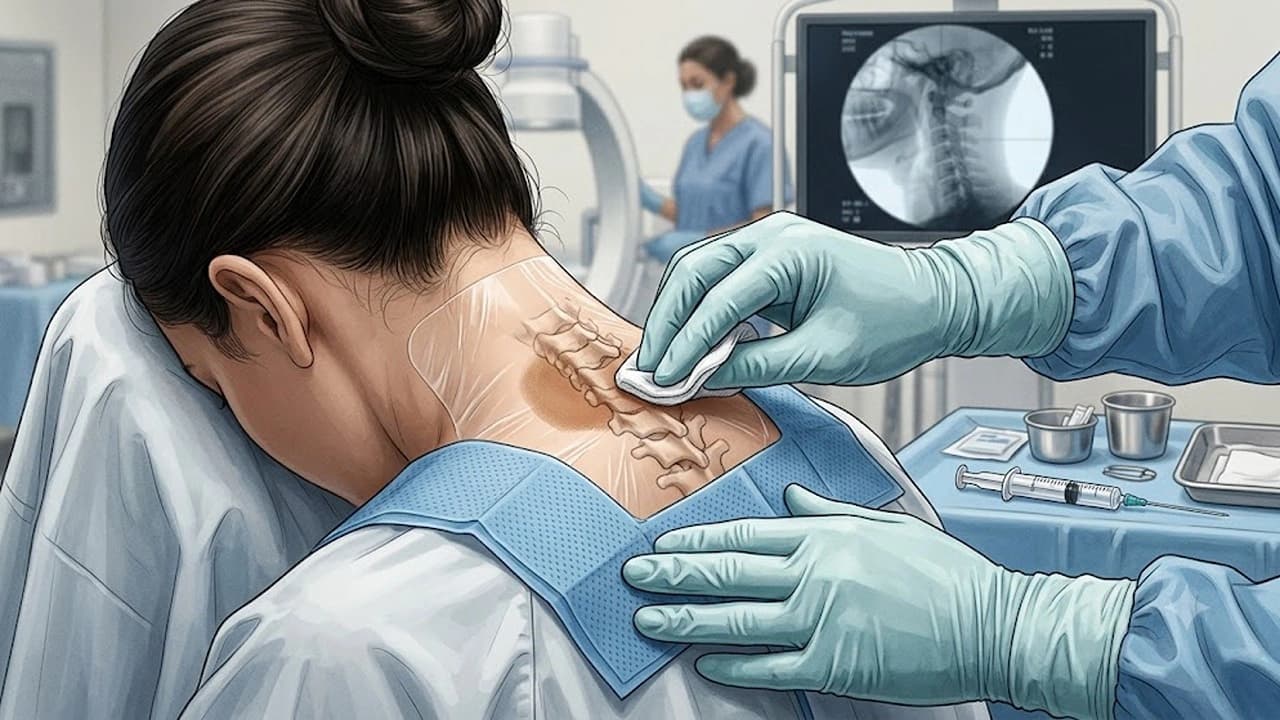
Medical records showed Rosa went through extensive treatment. He endured physical therapy and painful injections. Physicians prescribed strong medications to manage his pain. His doctors recommended surgery to repair the damage. Rosa claimed his injuries affected his ability to work, perform daily activities, and enjoy life. He also said the constant pain left him anxious and worried about his future.
Damages
In his complaint, Rosa asked for damages that exceeded $15,000, excluding interest and costs. He sought money to cover medical bills and therapy. He also asked for compensation for pain, suffering, and emotional distress. He argued that the injuries limited his enjoyment of life and imposed permanent changes to his routine. Rosa claimed the accident forced him to give up activities he once enjoyed.
Key Arguments and Proceedings
Plaintiff’s Position
Rosa’s lawyers from Cramer & Anderson LLP pressed the case firmly. They said the employee’s actions were reckless. Closing a door without checking the doorway, they argued, created a dangerous condition. They reminded the jury that Rosa was still in the process of leaving when the door came down on his arm.
They told the jury that Rosa’s injuries were not minor. They presented medical evidence of shoulder impingement, hand pain, and finger dysfunction. They pointed to his repeated therapy visits, painful injections, and recommendation for surgery. They described how the accident disrupted his daily life, from routine tasks to work duties.
Rosa’s counsel also emphasized responsibility. Property managers must ensure safe conditions and train employees to act with care. They said Rosa suffered because the Defendants failed in this duty.
Defendant’s Position
The defense team, led by Miles N. Esty of Esty & Buckmir, LLC, painted a different picture. They denied the companies’ responsibility. They argued that Rosa himself bore blame. In their special defense, they said Rosa failed to watch his surroundings. He did not act reasonably under the circumstances. They insisted he should have taken greater care while leaving the office.
They suggested Rosa’s own actions either caused or contributed to the accident. They pressed comparative negligence, which would reduce or bar his recovery if the jury agreed he shared responsibility.
The defense also questioned the severity of Rosa’s injuries. Their experts claimed his symptoms were exaggerated. They argued that Rosa’s shoulder and finger problems might not have stemmed directly from the incident. They also hinted that pre-existing conditions or natural wear could have played a role.
Legal Representation
Plaintiff(s): Luis Rosa
· Counsel for Plaintiff(s): Kent J. Mancini
Defendant(s): Paredim Partners LLC | River Owner LLC
· Counsel for Defendant(s): Miles N. Esty
Claims
Negligence Against Paredim
Rosa claimed Paredim Partners LLC was directly responsible for its employee’s conduct. He said the worker closed the door without checking and failed to exercise basic caution. He argued that the company’s negligence caused his injuries.
Negligence Against River Owner
Rosa also sued River Owner LLC, which had owned or controlled the property. He repeated the same allegations: negligence, lack of care, and failure to prevent unsafe conditions. Even though River Owner LLC was later dissolved, Rosa included the company in his claims because it had managed the premises at the time.
Defense
The Defendants fought back with comparative negligence. They argued Rosa was careless when exiting the office. They said he failed to pay attention, failed to act reasonably, and failed to protect his own safety. They denied that their employee’s actions alone caused the accident.
Their legal filings also reflected a consistent theme: Rosa’s account could not be fully trusted. They claimed he overstated his pain and exaggerated his limitations. They framed the incident as minor, not the life-altering event Rosa described.
Jury Verdict
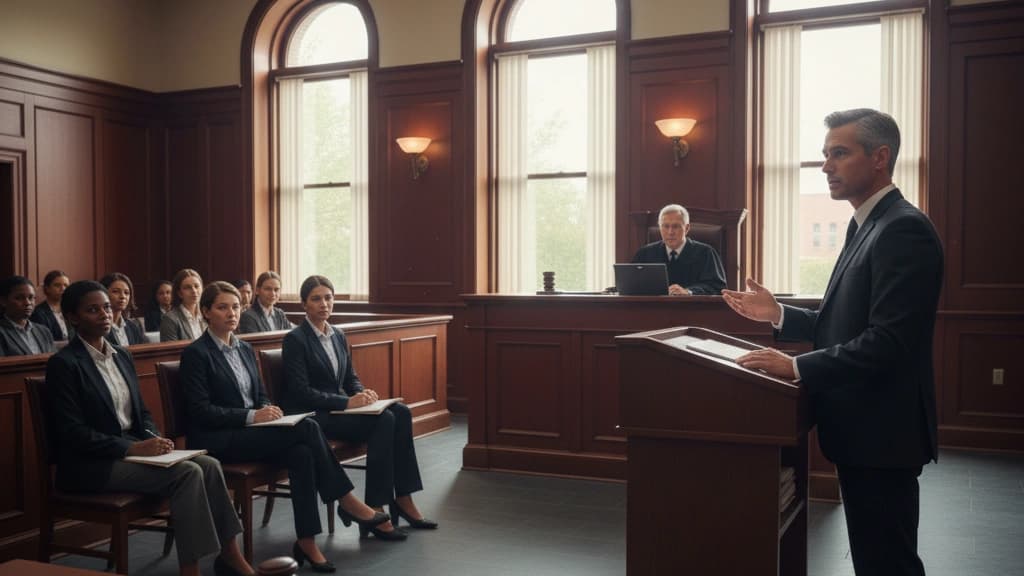
After months of filings and courtroom arguments, the case went to trial. On July 31, 2025, the jury delivered its decision. The panel sided with the Defendant, Paredim Partners LLC. The jury found that Rosa did not prove his claims of negligence. They ruled that the company was not liable for his injuries.
As a result, Rosa received no damages. The verdict ended his bid for financial recovery.