

Case Background
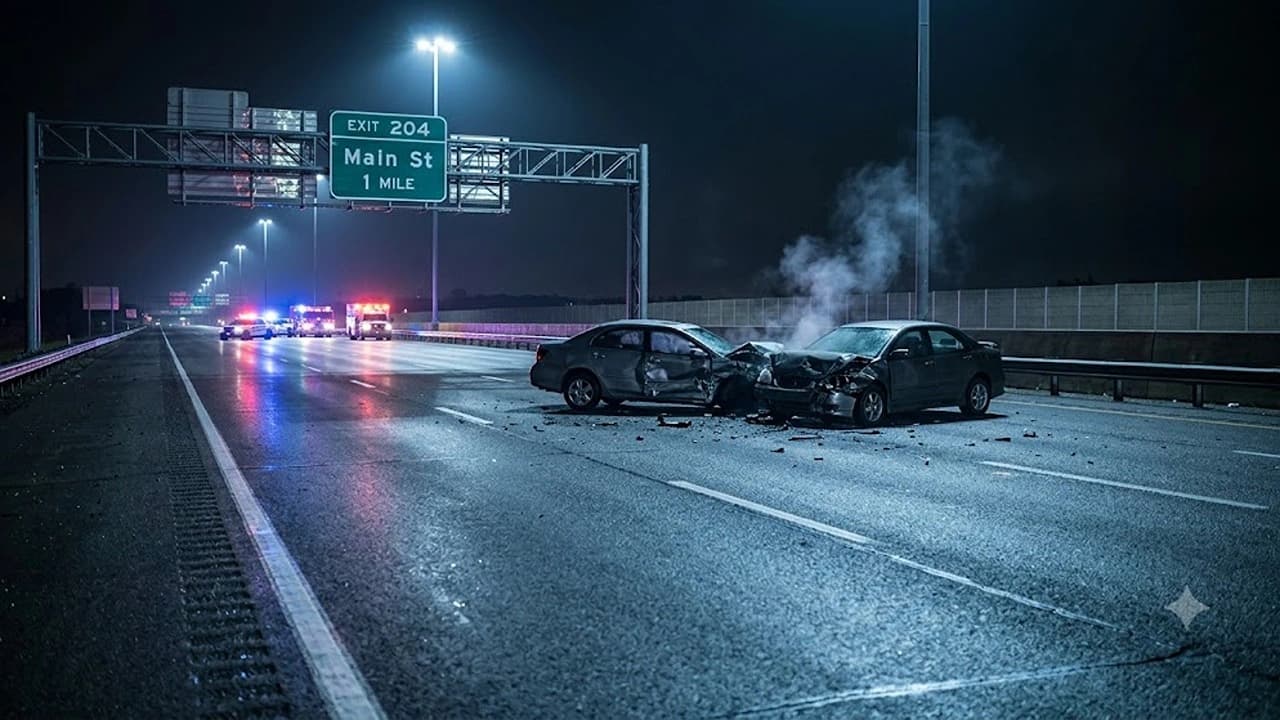
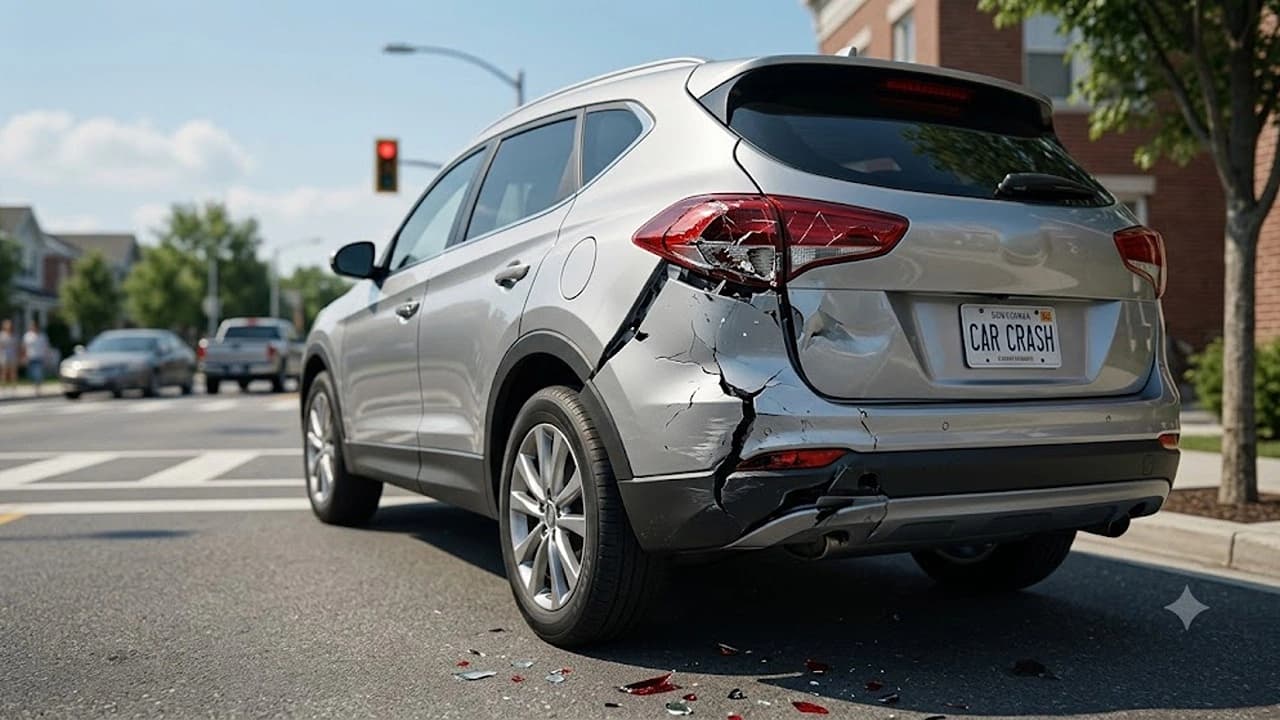
This legal dispute originated from a motor vehicle collision that occurred on May 23, 2017, in Jacksonville, Florida. The incident took place at the intersection of North Regency Square Boulevard and Commerce Center Drive. Tamara Wright, who filed the lawsuit under her former name Tamara Barber, sought compensation for injuries she claimed resulted from the negligence of Andrew Roberts.
Cause
Tamara Wright alleged that Andrew Roberts operated his vehicle in a negligent manner. According to the initial complaint, Roberts owned and drove the car that collided with the vehicle Wright operated. Wright maintained that Roberts failed in his duty to exercise reasonable care while driving on public roads.
Injury
The collision resulted in a variety of physical and emotional challenges for Tamara Wright. She reported suffering bodily injuries that led to physical pain, mental anguish, and a loss of capacity to enjoy her life. Wright further claimed that the accident caused a permanent disability and disfigurement. Additionally, she noted that the impact aggravated a pre-existing medical condition, creating a need for ongoing medical and nursing care.
Damages Sought
In her pursuit of justice, Wright demanded a judgment for damages exceeding $30,000.00. This request covered her past medical expenses and lost wages. Furthermore, she sought compensation for the loss of her ability to earn money in the future, citing that her injuries were either permanent or continuing in nature.
Key Arguments and Proceedings
The litigation moved through the Fourth Judicial Circuit Court in Duval County under case number 2020-CA-1619. As the case progressed, Adam J. Dugan took over the defense as the Personal Representative of the Estate of Andrew Roberts, following the original Defendant's passing.
Legal Representation
Plaintiff(s): Tamara Wright (formerly known as Tamara Barber).
· Counsel for Plaintiff(s): Zachary Von Roenn, Esq. | Fraz Ahmed | Dana Aubrey Jacobs | Elizabeth Holland Howanitz
· Experts for Plaintiff(s): Richard J. Boehme | Julianne Frain | Mark Frisk | Bradley M. Tran | Mark Emas | Michael D. Deveau | Charles E. Pope | Olga Guskova | Nicole E. Fox | Jerry W. Mullis | Casey G. Morris | Mia M. Kennedy | Ismail D. Salahi | Nanako Broughton | Howard Green | Howard B. Weiss | Eva M. McAlister | James M. Perry | Calvin L. Barnes | James Bennett Edwards | Jaime Aleman Bermudez | Krishna Thirumala
Defendant(s): Adam J. Dugan, acting as the Personal Representative for the Estate of Andrew Roberts.
· Counsel for Defendant(s): Michelle L. Smith, Esq. | Ashley L Hollingsworth
· Experts for Defendant(s): Matthew Lawson | Geoffrey A. Negin | Leslie Delman | Nancy Michalski | David Gushue
Key Arguments or Remarks by Counsel
Counsel for the Plaintiff argued that the negligence of the Defendant served as the direct and proximate cause of Wright's suffering. They emphasized that the injuries met the legal threshold for permanency under Florida law. Conversely, the defense argued that the Plaintiff had not provided sufficient proof of the extent of her damages or the necessity of all medical costs.
Claims
The Plaintiff centered her claims on the theory of negligence. She argued that the Defendant breached the standard of care expected of a driver. Wright insisted that her medical bills and physical limitations stemmed directly from the 2017 crash and requested the jury to hold the estate accountable for the full monetary value of her losses.
Defense
The defense team presented several affirmative defenses to counter the claims. They suggested that Tamara Wright contributed to her own injuries by operating her vehicle negligently. A specific point of contention involved the "seatbelt defense," where the Defendant argued that Wright failed to use an available and operational seatbelt, which worsened her injuries.
The defense also claimed that Wright failed to mitigate her damages by not submitting medical bills to her health insurer or by choosing more expensive treatment paths through letters of protection. They argued the estate should receive credits or setoffs for any payments Wright received from other insurance sources, such as Personal Injury Protection (PIP) benefits. Finally, the defense raised a "sudden emergency" argument, claiming that Andrew Roberts had acted as a reasonable person would when faced with an unexpected situation.
Jury Verdict
After considering the evidence and the arguments from both sides, the jury reached a decision on September 12, 2025. The jury determined that Tamara Wright sustained damages as a result of the incident.
Economic Damages The jury awarded the Plaintiff a total of $39,959.60 for medical expenses and damages sustained in the past. However, when considering future economic needs, the jury decided that no additional funds were necessary, awarding $0 for future damages.
Permanent Injury Determination A critical turning point in the verdict involved the question of permanent injury. The jury concluded that Tamara Wright did not sustain a permanent injury or a permanent aggravation of a pre-existing condition. Because the jury answered "NO" to this question, the legal instructions required them to stop their deliberations.
Noneconomic Damages Due to the finding that no permanent injury existed, the jury did not award any money for pain and suffering, mental anguish, or loss of capacity for the enjoyment of life. Following the Court’s instructions, they skipped the sections regarding past and future noneconomic damages and concluded the verdict form.