
Case Background
The lawsuit arose from a business relationship formed in 2022 to manufacture and sell wellness beverages. The Plaintiffs, a group known as the Tutus Parties, included corporate executives Jon Wood and Andrew Heaberlin, alongside investors Connie Wood, Michael Wood, Anthony Dabruzzi, and Megan Dabruzzi, and the entity Tutus Founder LLC. They teamed up with Lift Bridge Brewing Technologies, LLC, a prominent regional beer company based in Stillwater, Minnesota, which was led by co-owners and governors Dan Schwarz and Brad Glynn.
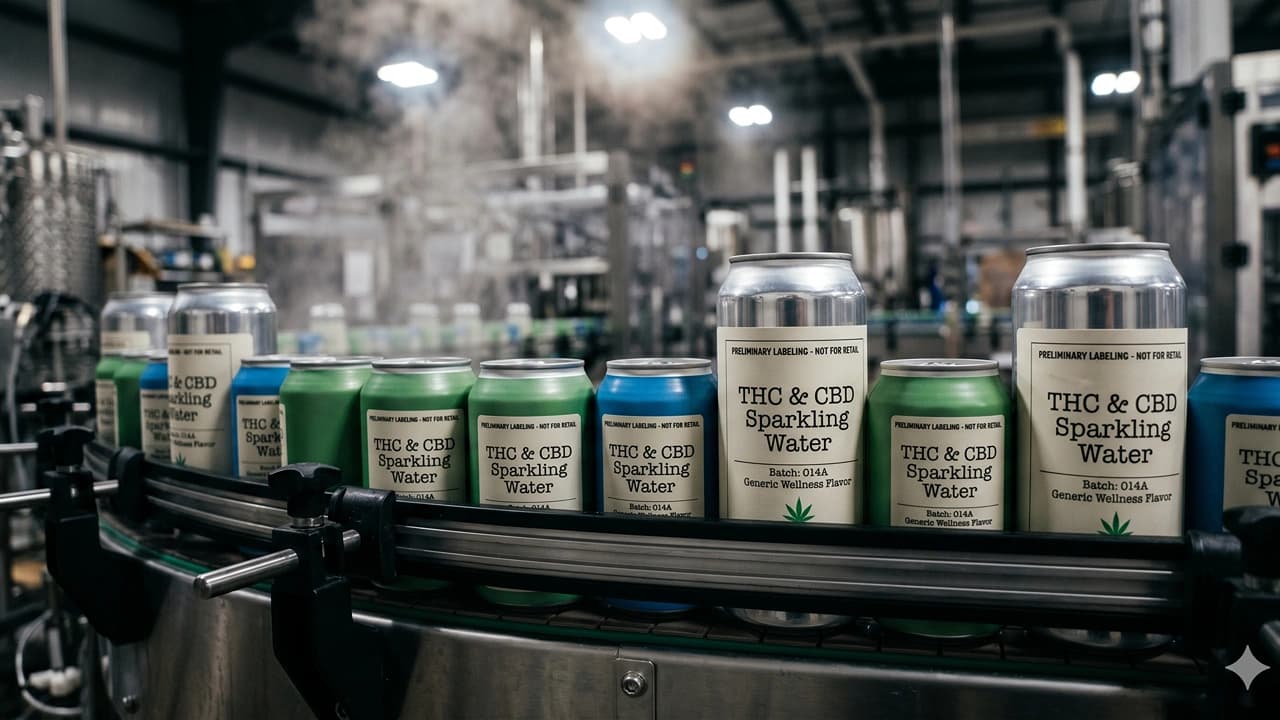
The parties created a new company called Lyvly, Inc. to launch a line of flavored sparkling waters infused with THC and CBD. The venture intended to capitalize on a newly emerging market after Minnesota legalized recreational hemp-derived THC products. The business structure combined the financial capital and operational background of the Tutus Parties with the beverage manufacturing experience and recipes of Lift Bridge.
Cause
The Plaintiffs brought the lawsuit because Lift Bridge failed to produce necessary product samples, withheld vital commercial assets, and hid local regulatory restrictions that completely blocked production. The Plaintiffs discovered that the City of Stillwater had enacted a moratorium prohibiting the manufacturing of hemp and cannabis products before the final business contracts were signed.
The Tutus Parties alleged that Lift Bridge deliberately hid this restriction to lure them into the deal, effectively blocking them from launching their brand or working with other manufacturers while the high-potential market exploded. Furthermore, Lift Bridge executives repeatedly pressured the Plaintiffs to release them from a contract exclusivity clause so Lift Bridge could brew THC drinks for other clients.
Injury
The actions of Lift Bridge completely stalled the business operations of Lyvly, Inc., causing the company to miss critical fall retail and distribution ordering windows. The Plaintiffs lost standard market access because they lacked production-ready samples in final packaging.
Additionally, the Tutus Parties spent their initial startup capital on unexpected legal fees to accommodate complex corporate structure changes that Lift Bridge requested. Ultimately, the Plaintiffs lost a rare opportunity to establish a leading brand in a brand-new, lucrative consumer market.
Damages Sought
The Plaintiffs requested that the Court find Lift Bridge liable for fraud and breach of fiduciary duty. They sought financial compensation to address the monetary value of the business opportunity that Lift Bridge had destroyed. They also demanded the return of all funds lost during the venture, the disgorgement of any profits Lift Bridge wrongfully obtained, and the recovery of pre-judgment and post-judgment interest.
Key Arguments and Proceedings
Legal Representation
Plaintiff(s): Jon Wood, Andrew Heaberlin, Connie Wood, Michael Wood, Anthony Dabruzzi, Megan Dabruzzi, and Tutus Founder LLC.
Counsel for Plaintiff(s): Timothy M. Sullivan
Defendant(s): Lift Bridge Brewing Technologies, LLC, Dan Schwarz, and Brad Glynn.
Counsel for Defendant(s): Scott S. Payzant | Joseph Robert Richie
Key Arguments or Remarks by Counsel
Claims
The Plaintiffs argued that Lyvly operated as a legal joint venture where both factions pooled their skills, property, and risks for mutual profit. Because they were joint venturers, Lift Bridge owed the Plaintiffs a fiduciary duty of absolute loyalty and care. The Plaintiffs asserted that Lift Bridge breached this duty by prioritizing its own struggling beer business over the health of the joint venture.
The Plaintiffs also brought a claim of fraud. Their counsel showed that Dan Schwarz had falsely told the Plaintiffs that the Stillwater city ordinance only banned the taproom sale of THC drinks in large glass growlers. In reality, the local laws banned all cannabis and hemp manufacturing. The Plaintiffs insisted they relied entirely on these false statements when they closed the 23-document business transaction on September 7, 2022.
To prove bad faith, the Plaintiffs revealed that Lift Bridge had secretly used Lyvly funds to pay a salesman who was covertly promoting Lift Bridge beer and slushies to clients instead of marketing Lyvly wellness water. Later, Lift Bridge delivered crude beverage samples in giant 32-ounce cans instead of sleek 12-ounce cans. Independent laboratory tests subsequently confirmed that those samples completely lacked the vitamins listed on the label and contained only a tiny fraction of the promised CBD.
Defense
Lift Bridge denied that it ever entered into a legal joint venture with the Plaintiffs. The defense pointed directly to the text of the signed Contract Brewing Agreement, which explicitly stated that nothing in the document created a joint venture, partnership, or fiduciary relationship between the entities. Lift Bridge argued that its entire relationship with Lyvly remained strictly bound by the clear terms of the written contracts.
The defense claimed that the business failed simply because Jon Wood and Andrew Heaberlin had failed to raise the necessary investment capital to fund the initial commercial production runs. Lift Bridge asserted it maintained idle production capacity and stood ready to brew the beverages, but Lyvly never submitted a formal purchase order or possessed the money to buy one.
Regarding the regulatory issues, Lift Bridge argued that it had negotiated all structural documents in good faith through legal counsel. It denied making any fraudulent misrepresentations about the Stillwater city ordinances. Lift Bridge also claimed that the Plaintiffs lacked proper legal standing to bring the lawsuit because the alleged financial harms were suffered directly by Lyvly as a corporation, meaning any derivative legal actions belonged exclusively in a Delaware Court under the corporate charter.
Jury Verdict
The civil trial concluded in the Washington County District Court under the direction of the Honorable Judge Francis Green III. The jury deliberated the evidence and returned a completed Special Verdict Form on 27th March 2026.
Resolution of Breach of Fiduciary Duty Claims
The jury decided that a legal joint venture existed between Lift Bridge and the Plaintiffs, directly rejecting the defense argument that their relationship was merely a basic manufacturing contract. The jury further determined that Lift Bridge had breached the fiduciary duties of loyalty and care it owed to the Tutus Parties. The panel concluded that this specific breach of duty directly caused the financial ruin of the venture and resulted in real economic damage to the Plaintiffs.
Assessment of Damages
To compensate the Plaintiffs for the losses caused by the broken joint venture, the jury awarded the Tutus Parties a total sum of $900,000 in direct damages.
Findings on Fraud Claims
The jury also evaluated the allegations of fraud regarding the hidden city ordinances and production timelines. The jurors found that Lift Bridge had falsely represented a past or present material fact to the Plaintiffs. They further decided that Lift Bridge corporate executives knew the statements were completely false at the exact time they made them. Finally, the jury concluded that Lift Bridge intentionally made those false representations to trick the Plaintiffs into relying on them to close the business transaction.