

Case Background
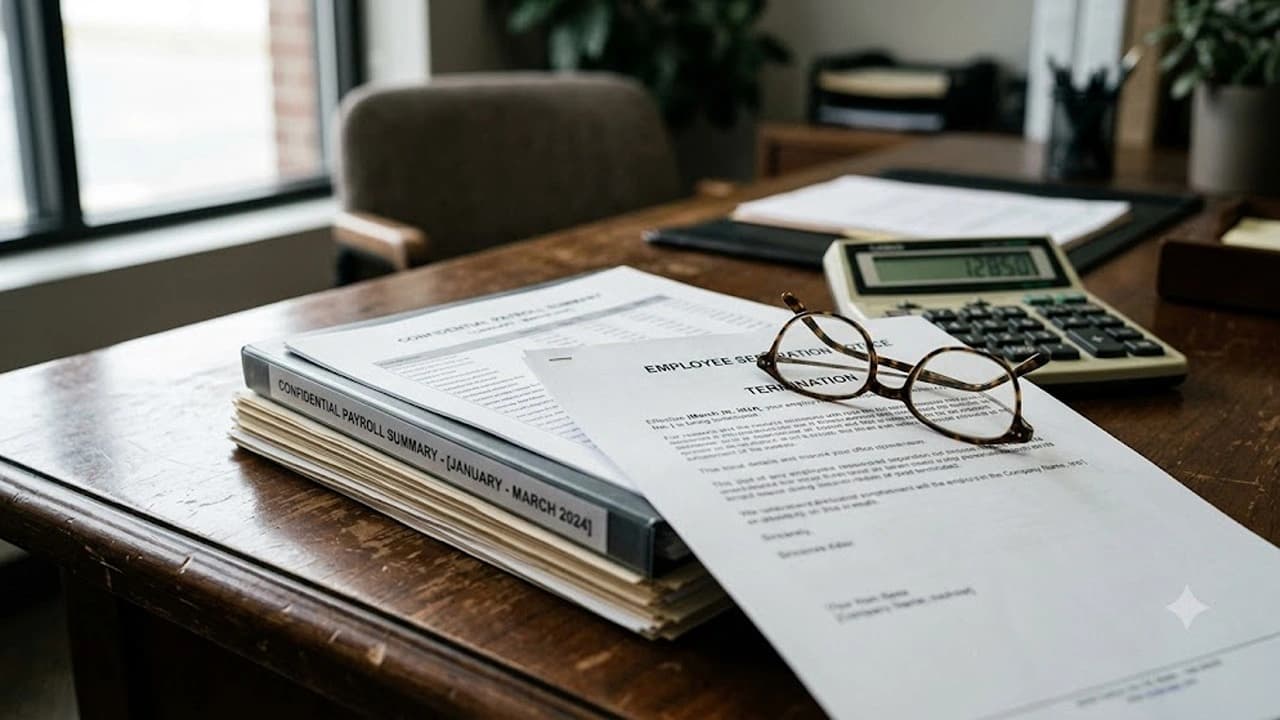
Rafael Navarro worked as a cashier for Floor and Decor at their Oxnard, California, warehouse from October 2021 until March 2022. During his tenure, he typically worked nine or more hours a day, five days a week. He earned approximately $16.50 per hour. His primary responsibilities included managing customer transactions, providing service, and balancing cash registers. Navarro alleged that the company maintained centralized human resources and payroll departments in Georgia that enforced uniform policies across all California locations. He claimed these corporate policies systematically violated California labor laws regarding overtime, meal breaks, and even basic workplace comforts like seating.
Cause
The litigation arose under the Labor Code Private Attorneys General Act of 2004 (PAGA). Navarro acted as a representative for the State of California to recover civil penalties for himself and other similarly situated employees. He alleged that Floor and Decor failed to pay proper overtime, denied compliant meal and rest periods, issued inaccurate wage statements, and failed to provide suitable seating for cashiers.
Injury
Navarro and his fellow employees suffered financial losses due to unpaid overtime and missing "premium" pay for skipped breaks. Beyond financial harm, Navarro reported physical strain because the company forced him to stand for his entire shift without providing a stool or seat, even when the nature of his work permitted sitting.
Damages Sought
The lawsuit sought civil penalties as dictated by various sections of the California Labor Code. These included penalties for unpaid wages, records violations, and failure to provide seating. Navarro also requested the recovery of attorney’s fees, legal costs, and interest.
Key Arguments and Proceedings
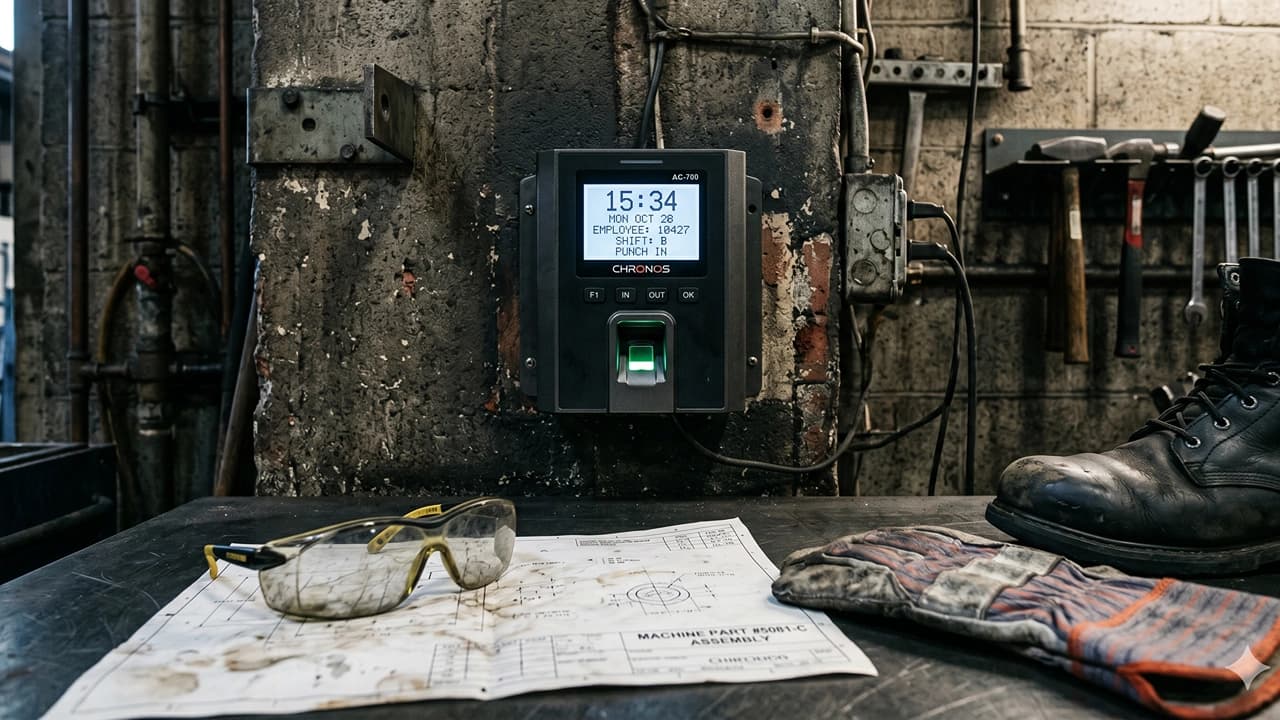
The case centered on whether Floor and Decor's corporate-wide practices actively prevented employees from exercising their rights under California law. Navarro argued that the company used a computerized timekeeping system that pressured employees to sign away their rights.
Legal Representation
Plaintiff(s): Rafael Navarro
· Counsel for Plaintiff(s): Raul Perez | Robert J. Drexler, Jr | Jonathan Lee | Molly Ann DeSario
Defendant(s): Floor and Decor Outlets of America, Inc. | Floor & Decor Holdings, Inc.
· Counsel for Defendant(s): Daniel Whang | Gina Gi
Key Arguments or Remarks by Counsel
Navarro's legal team argued that Floor and Decor's arbitration agreement was "unconscionable" and forced on employees during a rushed onboarding process without a meaningful chance to negotiate. They highlighted that the company's management often pressured workers to lie on their digital timecards, claiming they took breaks they never actually received.
Claims
Navarro brought several specific claims under the PAGA framework:
Unpaid Overtime and Minimum Wages Navarro claimed the company failed to include all forms of compensation, such as non-discretionary bonuses, when calculating the "regular rate" of pay for overtime. This resulted in workers receiving less than the law required for their extra hours.
Meal and Rest Period Violations The complaint alleged that Navarro often worked as the only cashier, making it impossible for him to take a meal break within the first five hours of work. He further claimed that managers required him to keep his company radio on during breaks, meaning he was never truly "off duty".
Failure to Provide Suitable Seating A major part of the claim focused on the physical work environment. Navarro argued that the cashier stations had plenty of room for a stool, but the company forced employees to stand for hours, violating state wage orders that require seating when the work allows it.
Wage Statement and Record-Keeping Failures Because the company supposedly failed to track all hours and missed breaks correctly, the wage statements provided to employees were inherently inaccurate. This prevented workers from knowing exactly how much they were owed.
Defense
Floor and Decor filed an answer denying almost all of Navarro's allegations. They argued that their policies complied with California law and that they provided employees with all necessary breaks and proper pay. They also attempted to move the case out of open Court and into private arbitration, based on the agreement Navarro signed when he was hired.
Settlement
While the case originally requested a jury trial, the parties ultimately resolved the dispute through a negotiated agreement. The parties reached a settlement to conclude the PAGA enforcement action and resolve the claims of the aggrieved employees. This settlement provided a resolution to the claims regarding unpaid wages and workplace conditions without a final determination of guilt by a jury.
Court documents are available upon request at [email protected]