
Case Background
On the afternoon of October 7, 2020, Terrence Rogers drove north on Stevens Street in West Haven, Connecticut, with his passenger, Frank Jackson. As Rogers attempted to back his vehicle into a private driveway, a car driven by Owen Chambers struck the rear of Rogers’s vehicle. The collision led to injuries for both Rogers and Jackson, who later filed suit.
The complaint, filed in September 2022, accused Chambers of negligent driving. Rogers alleged that Chambers had not maintained control, failed to keep a proper lookout, and did not brake or take evasive action in time to avoid impact. Jackson, as a passenger, claimed that the same negligence caused his own injuries
The case took nearly four years to reach trial. During this period, the defense denied wrongdoing and argued that Rogers himself had caused the crash. Chambers and his attorneys claimed Rogers reversed unsafely and failed to yield the right of way.
On May 15, 2024, a New Haven jury returned its verdict, bringing an end to the dispute.
Cause
The Plaintiffs based their claims on negligence. They alleged that Owen Chambers failed to operate his car safely, followed too closely, drove at an unreasonable speed, and ignored the duty to watch the road and use his brakes. The defense, however, argued that Terrence Rogers caused the accident by backing his car without proper caution and by failing to yield.
Injury
Terrence Rogers
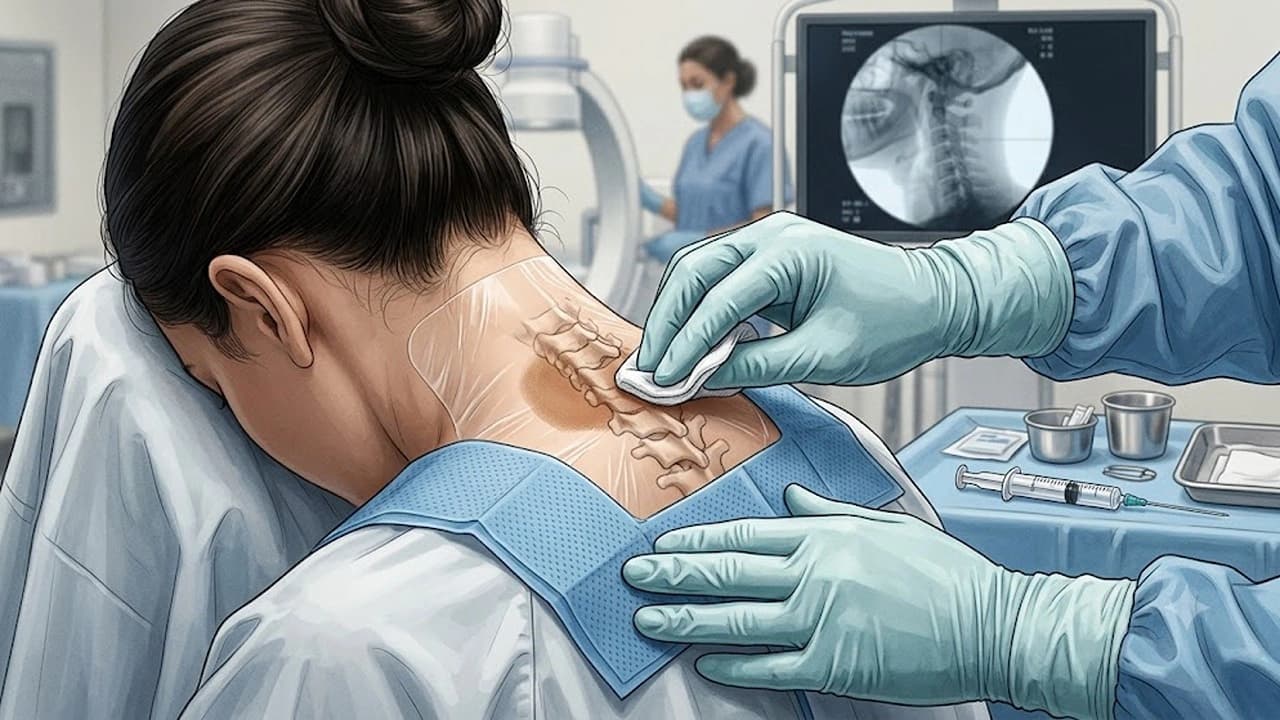
Rogers reported injuries to his neck, thoracic spine, and lower back. He also complained of headaches, ongoing pain, and reduced ability to work. Doctors treated him for muscle strain and prescribed therapy and medication. Rogers claimed that his injuries limited his daily activities and left him with lasting discomfort and anxiety.
Frank Jackson
Jackson, seated in the passenger seat, also sustained injuries. He was diagnosed with cervical and thoracic spine injuries, along with pain and suffering that lingered well beyond the crash. He too reported frustration and mental stress connected to the collision.
Damages
The Plaintiffs sought compensation for:
Economic damages: Medical treatment, diagnostic testing, therapy, and medications. They also argued they faced future expenses as recovery remained incomplete.
Non-economic damages: Physical pain, mental anguish, reduced mobility, and the loss of enjoyment of everyday activities.
They asked the court for compensatory damages above $15,000, which under Connecticut law signalled their intent to seek a significant award.
Key Arguments and Proceedings
Legal Representation
Plaintiff(s): Terrence Rogers | Frank Jackson
· Counsel for Plaintiff(s): Robert James Weber III
Defendant(s): Owen Chambers
· Counsel for Defendant(s): Wade D. Luckett
Claims Asserted
Plaintiffs’ counsel described the crash as the clear result of Chambers’s inattention. They argued that he drove too fast for the conditions, followed too closely, and failed to brake in time. Rogers had been backing slowly into a driveway when Chambers struck him from behind. Counsel emphasized that drivers have a duty to maintain a safe distance and control, and that Chambers ignored those rules.
They also underlined the impact on the Plaintiffs’ lives. Rogers, once able-bodied, now lived with chronic pain and limited mobility. Jackson, though only a passenger, endured his own physical injuries and ongoing stress. Both sought justice for losses that went beyond medical bills.
Defense Argument
The defense told a different story. Chambers denied negligence and blamed Rogers for the accident. They argued that Rogers reversed unsafely, failed to yield the right of way, and created a dangerous condition by backing into a lane of travel. Chambers, according to his counsel, faced an unavoidable situation caused by Rogers’s poor judgment.
The defense also filed special defenses claiming that Rogers’s negligence either caused or contributed to the crash. They argued that he had not kept proper control, failed to act as a prudent driver, and ignored statutory rules requiring safe yielding and lane use.
When addressing Jackson’s claims, the defense maintained that if he suffered any injuries, they stemmed directly from Rogers’s actions rather than Chambers’s.
Jury Verdict
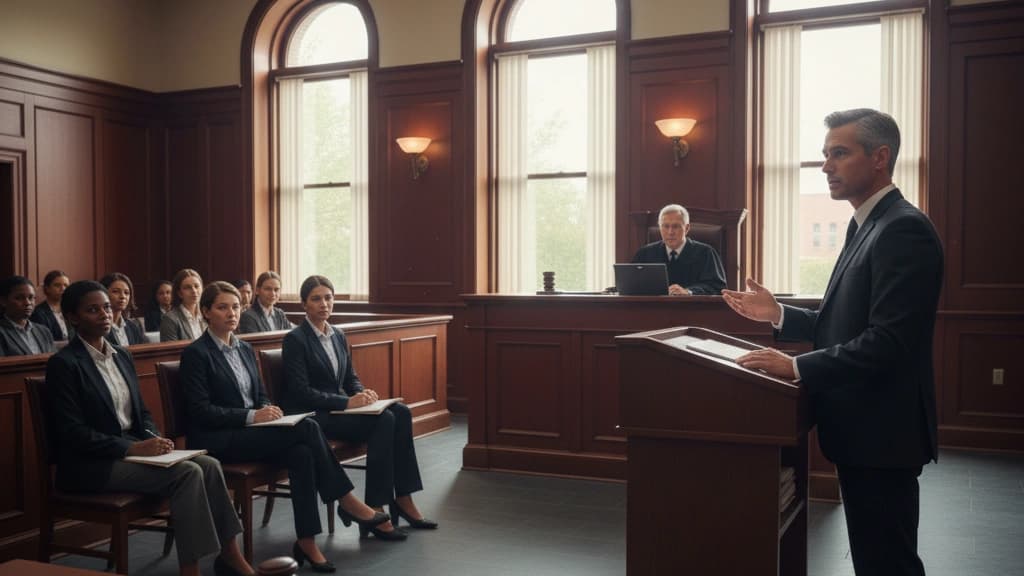
After considering the evidence, the jury reached a split outcome. On May 15, 2024, they found in favor of the Defendant on Frank Jackson’s claim. The verdict stated that Jackson failed to prove Chambers’s negligence caused his injuries.
As for Rogers’s claim, court records confirm that the case ended without an award in his favor. The defense’s arguments about Rogers’s role in the accident carried weight, and the jury did not hold Chambers liable for damages.