
Case Background
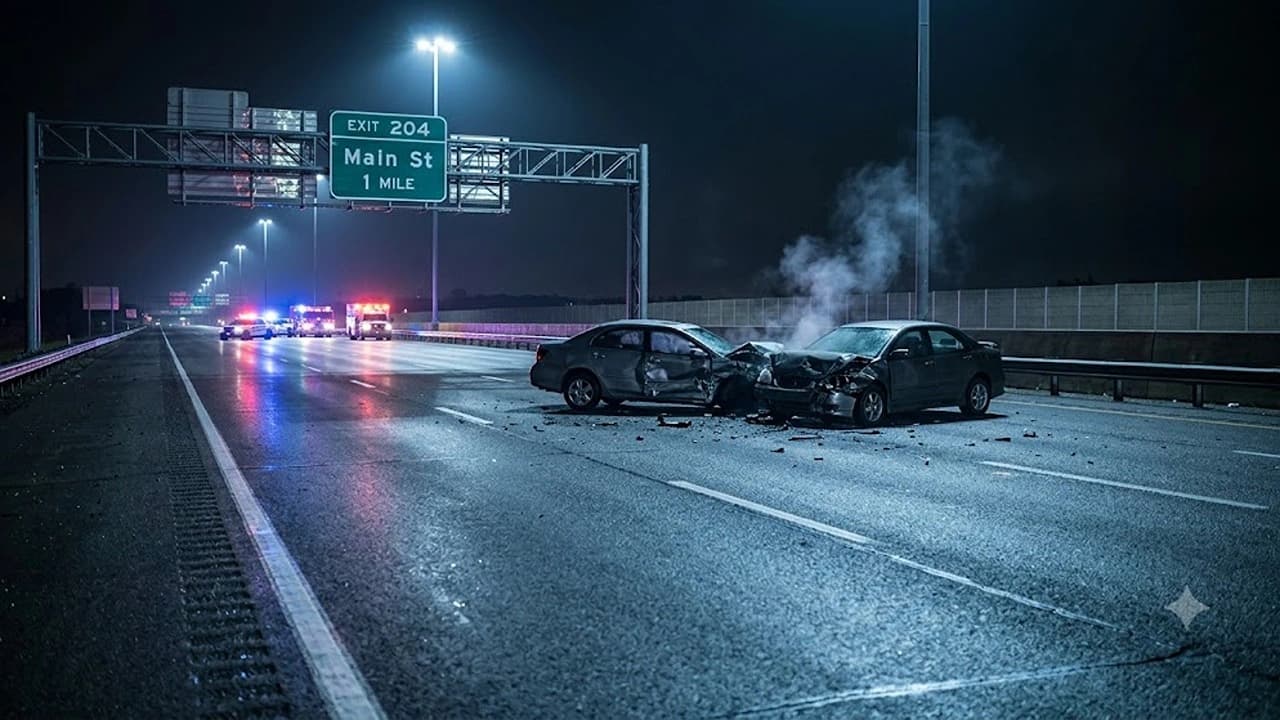
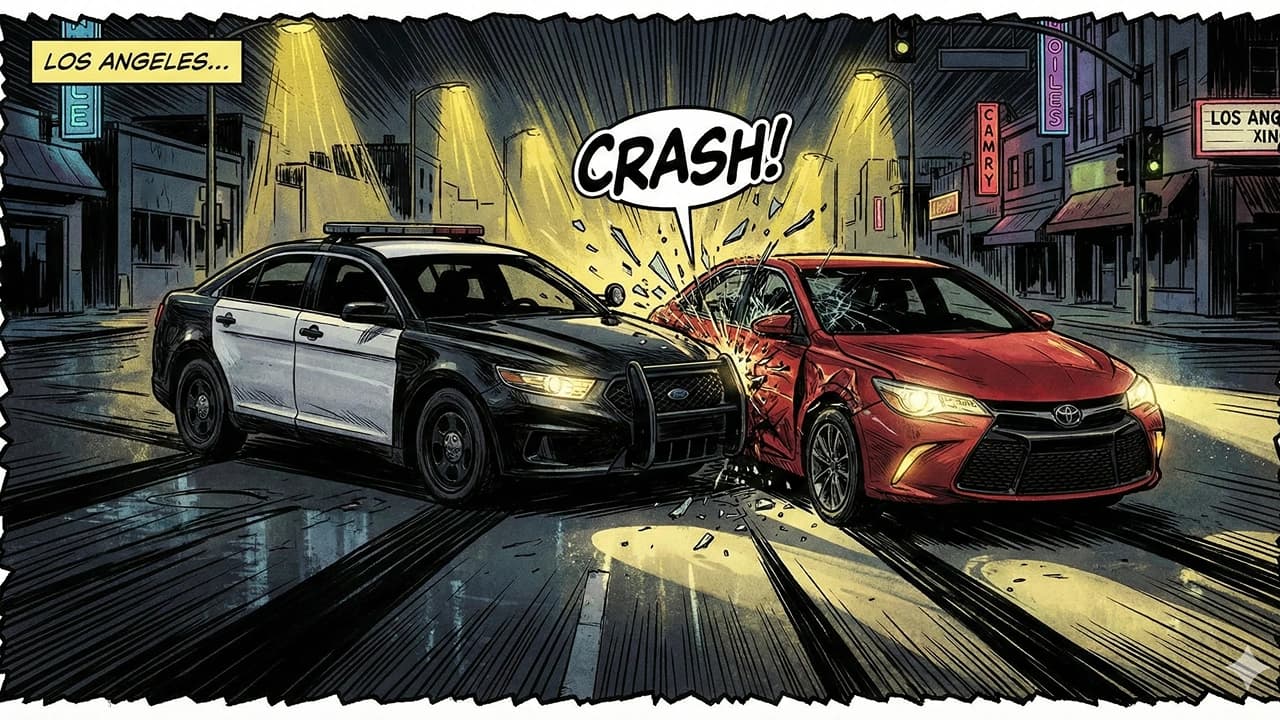
On the evening of June 4, 2024, a routine drive turned into a catastrophic event for brothers Stephen and Richard Paper. Stephen Paper, a resident of Los Angeles County, sat behind the wheel of his red Toyota Camry, while his brother, Richard Paper, visiting from Minnesota, occupied the front passenger seat. They traveled northbound on Balboa Boulevard in the Encino area of Los Angeles, intending to navigate a left turn onto westbound Burbank Boulevard.
At that same moment, roughly 8:00 p.m., Officer Jason Christopher Stevenson of the Los Angeles Police Department operated a marked 2015 black and white Ford Police Taurus. Stevenson, who worked within the Valley Traffic Division's Street Racing Task Force, drove southbound on Balboa Boulevard, approaching the same intersection where the Paper brothers prepared to turn.
The lawsuit emerged from the violent collision that ensued between the police cruiser and the civilian vehicle. Following the crash, the Paper brothers filed a legal complaint in the Superior Court of California, County of Los Angeles, on August 15, 2024. They alleged that Officer Stevenson’s reckless conduct directly caused the accident and sought to hold both him and the City of Los Angeles accountable for the devastation that altered their lives.
Cause
The central conflict of the case revolved around the driving conduct of Officer Stevenson in the moments leading up to the impact. According to the complaint filed by the Plaintiffs, Officer Stevenson had been traveling at an extremely unsafe speed shortly before the collision. Preliminary investigations cited in the lawsuit indicated that the officer’s vehicle moved at approximately 80 miles per hour in a zone designated for 45 miles per hour.
Crucially, the Plaintiffs asserted that Officer Stevenson was not in pursuit of a suspect at the time, nor did he have his emergency lights or sirens activated to warn other motorists of his high-speed approach. As Stephen Paper attempted to execute his left turn onto Burbank Boulevard, the speeding police vehicle slammed into the right side of the Toyota Camry.
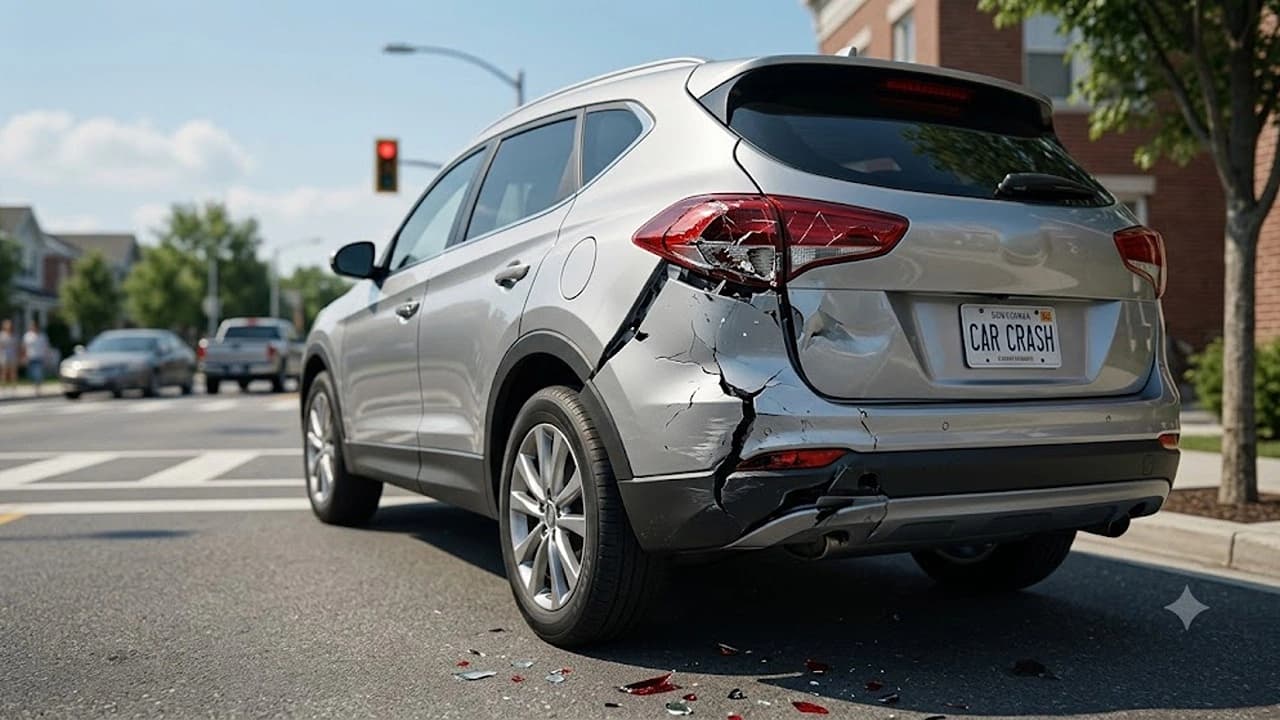
The force of the impact was substantial. The complaint described how the collision caused the Camry to rotate counterclockwise violently. The vehicle did not stop immediately; it proceeded to crash into a tri-light pole, smashed through a property wall, and finally came to a rest after striking an electrical control box on the southwest corner of the intersection. The Plaintiffs argued that had Officer Stevenson adhered to the 45-mph speed limit, he would have been 445 feet away when the Camry began its turn, allowing 6.7 seconds of travel time—more than enough for the brothers to complete their maneuver safely. An internal LAPD investigation mentioned in the complaint purportedly concluded that the officer's unsafe speed violated the California Vehicle Code and served as the primary cause of the crash.
Injury
The collision resulted in immediate and catastrophic physical trauma for both Stephen and Richard Paper. The complaint categorized their condition as life-threatening immediately following the crash. Emergency responders transported both brothers to the emergency room via ambulance.
In the weeks that followed the incident, both men underwent multiple surgeries to address the severe damage their bodies sustained. The legal filing detailed a litany of harms, including physical pain, mental suffering, disfigurement, and physical impairment. The Plaintiffs described the injuries as permanent, indicating that the brothers would require ongoing medical care and would suffer from a loss of enjoyment of life due to the physical limitations imposed by the crash.
Damages Sought
Stephen and Richard Paper sought substantial financial compensation to cover the extensive damages they incurred. They requested general damages in an amount exceeding the Court's jurisdictional minimum to account for their non-economic suffering, such as grief, anxiety, humiliation, and emotional distress.
Regarding economic losses, the Plaintiffs demanded compensation for all medical expenses, including the costs of hospitals, physicians, surgeons, and nurses that they had employed to treat their injuries. They also sought recovery for property damage related to the destruction of the Toyota Camry. Furthermore, the brothers claimed damages for the loss of earnings and lost earning capacity, arguing that their injuries had compromised their ability to work and provide financial support. The lawsuit also included a request for both pre-judgment and post-judgment interest on these amounts.
Key Arguments and Proceedings
Legal Representation
Plaintiff(s): Stephen Paper | Richard Paper
· Counsel for Plaintiff(s): Robert S. Glassman | Jonathan H. Davidi | Panish | Shea | Ravipudi LLP
· Experts for Plaintiff(s): John Brault | Stephen M. Casner | Allen Chen | Eric Deyerl | P. Richard Emmanuel | Peter Formuzis | Andrew Fox | Daniel Franc | Alberto A. Miranda | Tracy L. Travis
Defendant(s): City of Los Angeles | Jason Christopher Stevenson
· Counsel for Defendant(s): Hydee Feldstein Soto | Denise C. Mills | Kathleen Kenealy | Karen Woodward | Stephanie Brie Gonzalez
· Experts for Defendant(s): David J. Daren | Hamid Reza Djalilian | Robert Freundlich | George K. Henry | Jeffrey Korchek | David Krauss | Luke Macyszyn
Claims
Negligence and Reckless Driving the Plaintiffs grounded their primary legal argument in the theory of negligence. They contended that Officer Stevenson and the City of Los Angeles owed a duty to the public to operate their patrol vehicles reasonably and safely. The complaint alleged that by driving 80 mph without emergency lights or sirens—nearly double the speed limit—Stevenson recklessly breached this duty. They argued this conduct was not just a momentary lapse but "grossly negligent," directly resulting in the severe injuries the brothers suffered.
Vicarious Liability A significant portion of the legal strategy focused on holding the City of Los Angeles responsible for the officer's actions. The Plaintiffs invoked California Government Code sections 815.2, 815.4, and 820(a), arguing that a public entity is vicariously liable for the injuries caused by its employees acting within the scope of their employment. Since Stevenson was on duty and driving a city-owned vehicle at the time of the crash, the Plaintiffs asserted the City bore full legal responsibility for his negligence.
Negligent Hiring and Supervision The complaint also included broader allegations regarding the City's management of its police force. The Plaintiffs argued that the City was negligent in the selection, hiring, and retention of its agents and employees. They pointed to a study cited in the complaint alleging that LAPD officers had been involved in over 1,000 injury-causing collisions in the previous five years, suggesting a systemic failure to curb unsafe driving practices among the force.
Defense
Denial of Liability In their formal Answer to the complaint, filed on September 23, 2024, the City of Los Angeles and Officer Stevenson issued a general denial of all allegations. They refused to admit to the reckless driving described by the Plaintiffs and denied that the Plaintiffs were entitled to any form of recovery.
Comparative Negligence The defense aggressively argued that the Plaintiffs themselves were responsible for the accident. In their First and Second Affirmative Defenses, the City alleged that the damages were directly proximately caused by the negligence of the Plaintiffs or other persons. This argument suggested that Stephen Paper, as the driver making the left turn, had failed to yield appropriately or exercise due care, and therefore any damages awarded should be reduced in proportion to his own fault.
Immunity and Statutory Protections the City asserted extensive legal immunities to shield itself from liability. The Eighth Affirmative Defense cited numerous California statutes, including Government Code sections 815.2, 820.2, and Vehicle Code section 17004, which provide immunity to public employees and entities under specific circumstances, such as discretionary acts or emergency pursuits. They specifically claimed that as the driver of an authorized emergency vehicle, Officer Stevenson was exempt from complying with certain rules of the road under Vehicle Code section 21055.
Failure to Mitigate and Seatbelt Defense The defense also attacked the extent of the damages claimed. They argued that the Plaintiffs had failed to exercise reasonable care to mitigate their damages after the incident. Furthermore, the City raised the "seatbelt defense," alleging that the Plaintiffs negligently failed to wear seatbelts in violation of Vehicle Code section 27315, contributing to the severity of their own injuries.
Settlement
The City of Los Angeles agreed to pay brothers Stephen and Richard Paper $18 million to settle their lawsuit, ending a case that started in August 2024 in Los Angeles Superior Court. The Los Angeles City Council approved the deal on September 16, 2025, and Mayor Karen Bass signed off on it the same day. Lawyers for both sides finalized the paperwork the following day. The city will pay the money in three instalments rather than all at once: $8 million within six weeks of signing the final agreement, another $7 million by August 31, 2026, and a final $3 million by August 31, 2027. On top of the cash, the Los Angeles Police Department promised to send the brothers a written letter. In return, Stephen and Richard Paper dropped all their claims against the city and Officer Jason Christopher Stevenson and gave up their rights under California Civil Code Section 1542, meaning they cannot come back later to sue over related claims. The brothers and their lawyers also agreed to handle any outside liens or claims tied to the case, to shield the city from future lawsuits over the same incident, and to keep any portion of the settlement money from flowing to government officials or businesses connected to them, except for legitimate medical bills like Medicare liens. Both sides agreed to cover their own legal fees, and the attorneys planned to read the financial terms aloud before Judge Valerie Salkin so a Court reporter could place them on the official record.
Court documents are available upon request at [email protected]