
Case Background
Jennifer Ashley Orta sued Matthew David Bogy and Diamond Bar Electric, Inc. in the San Bernardino County Superior Court after a vehicle collision left her injured. She filed her complaint on July 6, 2023, and the case went to trial in late February 2026 before the Honourable Gilbert Ochoa in Department R17.
Cause
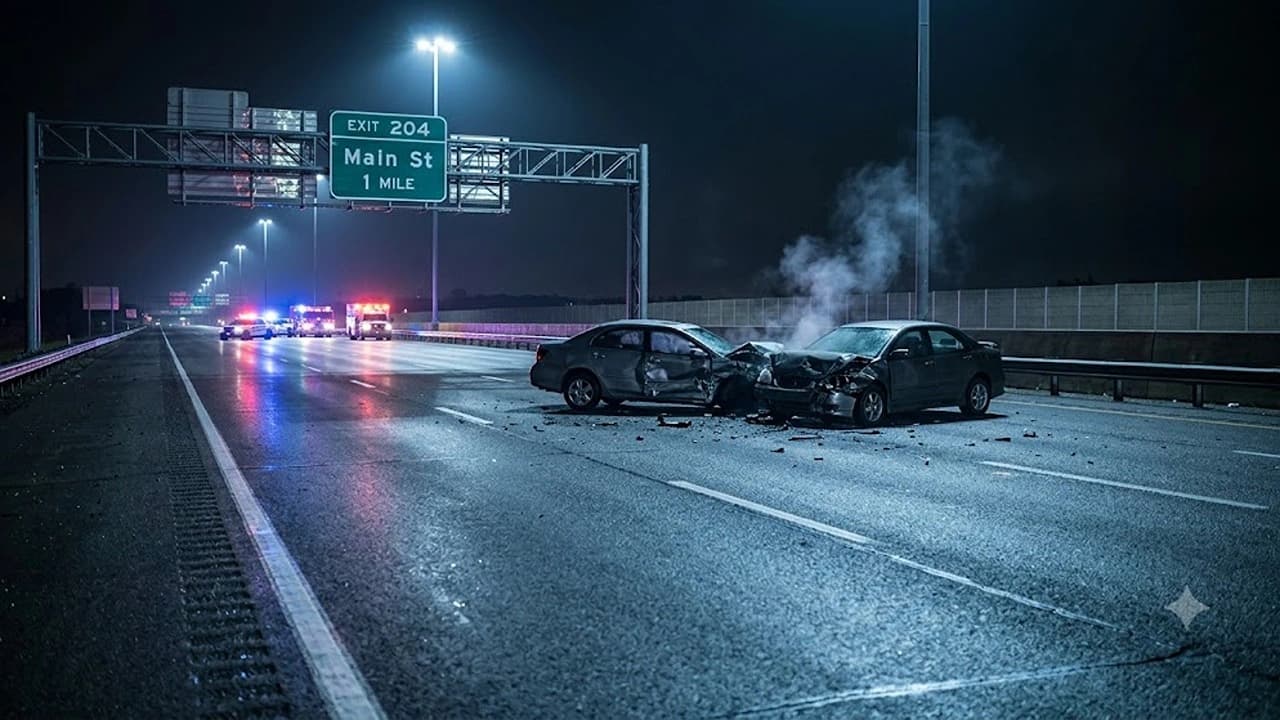
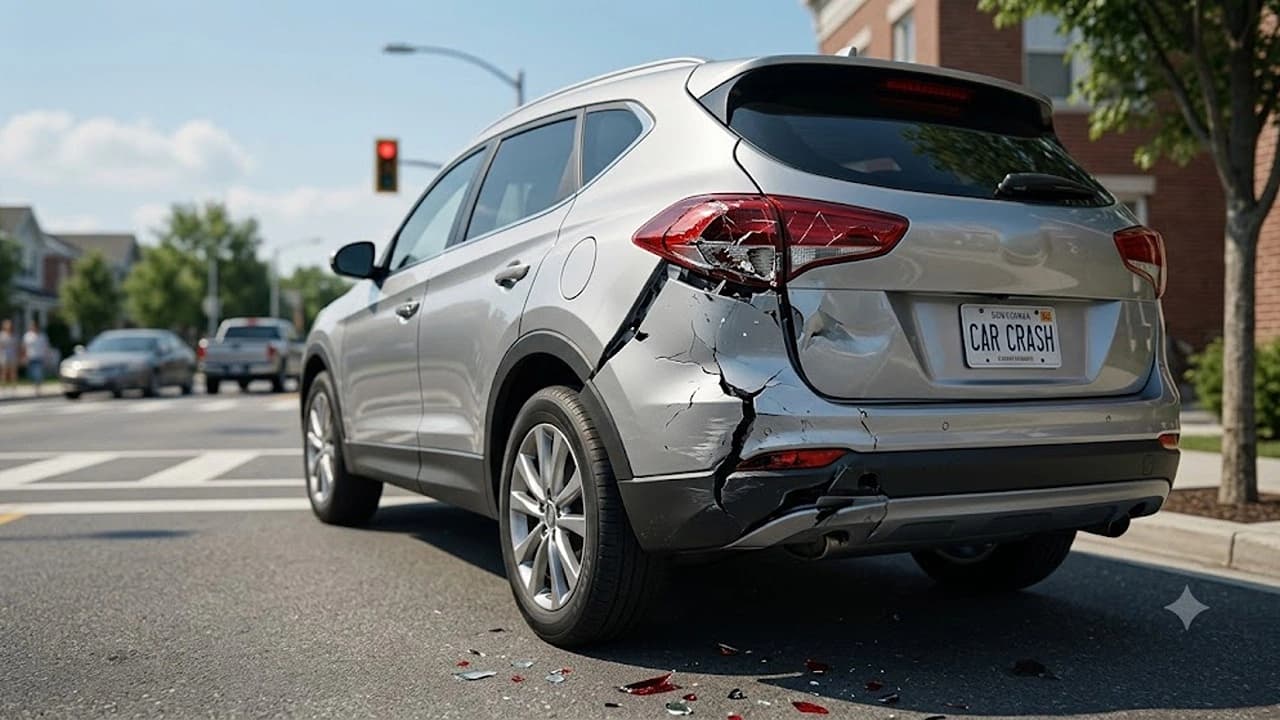
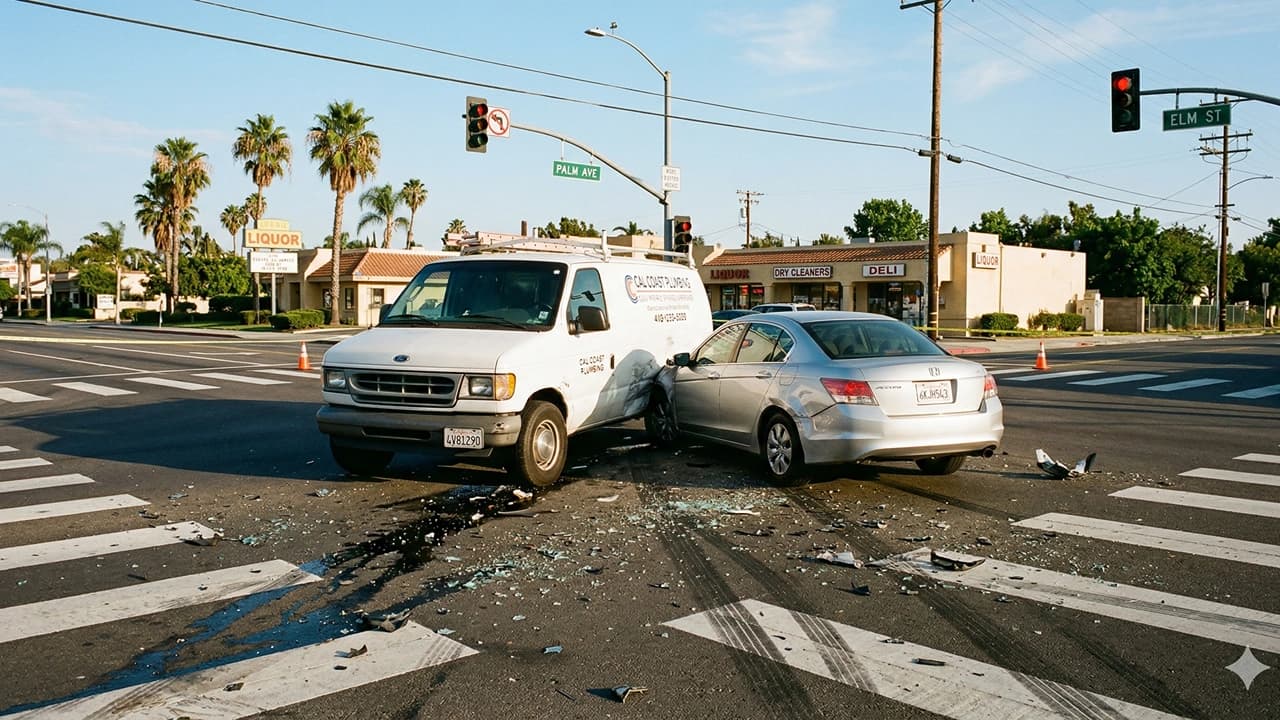
The crash happened on January 15, 2022, near the intersection of Hermosa Avenue and Monte Vista Street in Rancho Cucamonga. According to Orta, Matthew Bogy drove a vehicle owned by his employer, Diamond Bar Electric, and failed to yield the right of way. He turned directly in front of her car, and the two vehicles collided with significant force. Orta argued that Bogy droves carelessly and that Diamond Bar Electric bore responsibility because Bogy operated the company vehicle within the scope of his employment. She also claimed the company negligently entrusted the vehicle to him.
Injury
Orta suffered bodily injuries in the crash and required extensive hospital treatment and ongoing medical care. Her injuries affected her ability to work and earn a living, both in the months immediately after the collision and on a long-term basis. She pursued the case as an unlimited civil matter, signaling that her damages comfortably exceeded the $25,000 threshold.
Damages Sought
Orta asked the Court for compensatory damages according to proof. She sought recovery for lost wages, hospital and medical bills, general pain and suffering, loss of future earning capacity, and any other damages the evidence supported at trial. She did not pursue punitive damages.
Key Arguments and Proceedings
Legal Representation
Plaintiff: Jennifer Ashley Orta
· Counsel for Plaintiff: TJ Juneja, Esq.
Defendants: Matthew David Bogy | Diamond Bar Electric, Inc.
· Counsel for Defendants: Catherine M. Adams, Esq.
Key Arguments and Remarks by Counsel
Orta's attorney built the case around a straightforward theory: Bogy made a careless turn, the crash followed, and his employer shared the legal burden because Bogy drove a company vehicle on company time. The Plaintiff's team pointed to the failure-to-yield as the heart of the matter and asked the jury to connect that single bad decision to every medical bill and missed paycheck that came after.
The defense came out swinging with a long list of affirmative defenses. Catherine Adams filed an answer in August 2023 that denied the allegations across the board and raised twenty-two separate defenses. She argued that Orta herself drove carelessly and contributed to the crash, that other people or circumstances may have caused or worsened the injuries, and that Orta assumed the risk by being on the road. The defense also questioned whether Orta took reasonable steps to limit her own damages after the crash and challenged the medical billing as inflated and unnecessary. Adams further argued that Orta carried inadequate insurance under California's Proposition 213, which can block some categories of recovery for uninsured drivers.
Claims
Orta brought two causes of action. The first was a motor vehicle negligence claim against Bogy as the driver and against Diamond Bar Electric as the owner and employer. She argued the company let Bogy use the vehicle, employed him at the time of the crash, and therefore answered for his conduct under standard rules of vicarious liability. The second cause of action was a general negligence claim covering the same conduct from a broader angle, alleging that the Defendants failed to use reasonable care behind the wheel and on the road.
Defense
The defense team denied that Bogy did anything wrong and pushed back on the size and source of Orta's claimed damages. They argued comparative fault, saying any recovery should drop in proportion to Orta's own share of the blame. They challenged the reasonableness of her medical treatment, suggesting her providers ran up bills that did not match standard California billing practices. They also raised the collateral source rule, arguing that Orta should only recover what was actually paid for her care, not the higher numbers her providers billed. On top of that, the defense reserved the right to point fingers at unnamed third parties whose conduct may have played a role in the collision or its aftermath.
Jury Verdict
The jury reached its decision on March 23, 2026, after a trial that began on February 23, 2026, and the panel sided firmly with Jennifer Ashley Orta. Presiding juror Sola A. Hounlect signed the special verdict form that same day.
On the threshold question, the jurors found that the negligence of Matthew David Bogy and Diamond Bar Electric, Inc. was a substantial factor in causing harm to Orta. That finding cleared the most important hurdle for the Plaintiff and placed legal responsibility for the crash squarely on the driver and his employer.
The jury then moved through the damages calculation and awarded Orta a total of $659,625.51. On past economic damages, the panel awarded $119,015.21 for medical expenses already incurred and $164,465.00 for lost earnings tied to time away from work after the collision. For future economic losses, the jury awarded a more modest $10,776.00 in future medical expenses, signaling that the panel did not expect Orta to need substantial additional treatment going forward. The jury added $65,369.50 for loss of future earning capacity, recognizing that the crash would continue to affect her ability to make a living.
On the non-economic side, the jury awarded $300,000.00 for past pain and suffering. That figure covered the physical pain, mental anguish, loss of enjoyment of life, inconvenience, anxiety, and emotional distress Orta experienced from the day of the crash through the trial. The verdict form did not include a separate award for future non-economic damages, suggesting the jurors believed her ongoing pain and suffering did not warrant a forward-looking number on top of the past award.
The defense's central argument that Bogy and his employer bore no responsibility for the collision failed to persuade the jury. The panel rejected the comparative fault theory, the challenges to Orta's medical billing, and the various procedural defenses raised in the answer. Instead, the twelve jurors handed Orta a six-figure recovery that combined real out-of-pocket losses with a substantial award for the human cost of the crash.
The final number, $659,625.51, reflected a clean win for the Plaintiff and closed out a case that took just under three years from filing to verdict.
Court documents are available upon request at [email protected]