
Case Background
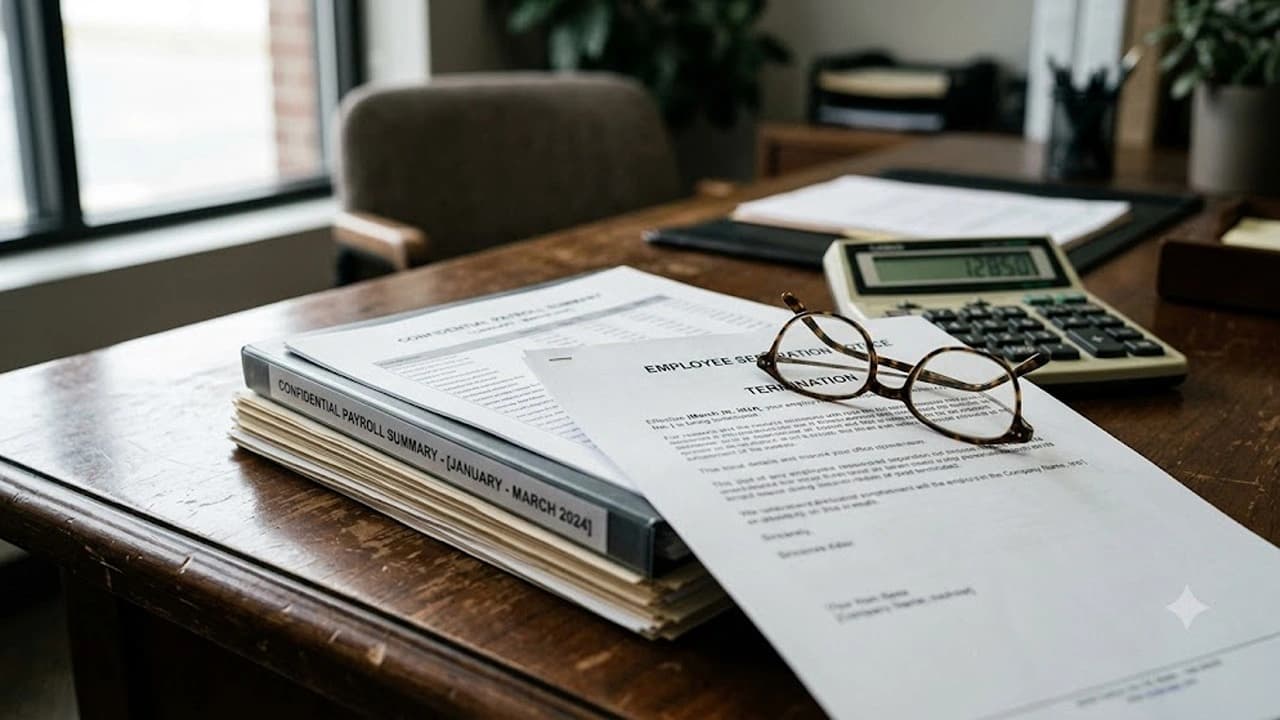
In March 2022, a former hourly employee named Vijay Sheth initiated a class action lawsuit against the owners and operators of California Smashburger restaurants, including Icon Burger Acquisition LLC and its affiliates. The lawsuit represented thousands of non-exempt hourly employees, alleging that the company had systematically violated the California Labor Code from March 2018 to September 2024.
Cause
The central dispute was the systematic failure to provide timely and uninterrupted meal and rest breaks, leading to unpaid wages and penalties. The employees claimed they did not receive the legally required premium pay for missed breaks, and that the company had provided inaccurate final paychecks and defective wage statements. Ultimately, the lawsuit sought full compensation for all lost wages and substantial statutory penalties for these violations.
Injury
The core injury alleged was the systematic loss of earned wages, penalties, and compensation resulting from improper pay and scheduling practices. Employees claimed they were harmed because the company had denied them legally required pay and breaks. This included not providing timely and uninterrupted rest and meal periods as mandated by state law. Furthermore, the class members asserted they did not receive the legally required premium pay for any breaks that were missed or interrupted. Employees also claimed that the company’s policies had resulted in inaccurate final paychecks upon termination and wage statements that failed to properly reflect all compensation owed, including hours worked and break premiums.
Damages Sought
The Plaintiff’s legal team demanded significant compensation on behalf of the class. They sought full payment for all unpaid regular and overtime wages, along with liquidated damages for those failures. The lawsuit requested statutory penalties for missed meal and rest breaks, civil penalties for inaccurate wage statements, and waiting time penalties for employees who had not received their final, accurate paychecks immediately after leaving the company. The class also sought an order requiring the company to change its business practices moving forward, covering the high costs of litigation and the Plaintiff’s attorney’s fees.
Key Arguments and Proceedings
Legal Representation
Plaintiff(s): Vijay Sheth and the thousands of Participating Class Members.
· Counsel for Plaintiff(s): Zachary M. Crosner | Jamie Serb | Chad Saunders | Michael R. Crosner | Blake R. Jones
Defendant(s): Icon Burger Acquisition LLC | Smashburger Acquisition-So Cal LLC | Smashburger Acquisition - San Francisco LLC.
· Counsel for Defendant(s): Ann K. Smith | Sarkis A. Atoyan
Key Arguments or Remarks by Counsel
Claims
Plaintiff’s counsel argued that the company had established and maintained widespread policies and practices that systematically deprived its hourly workforce of their rightful compensation. The legal team asserted that the company had full knowledge of its duties under the California Labor Code but failed to implement the necessary administrative and payroll systems to ensure compliance for its high volume of workers.
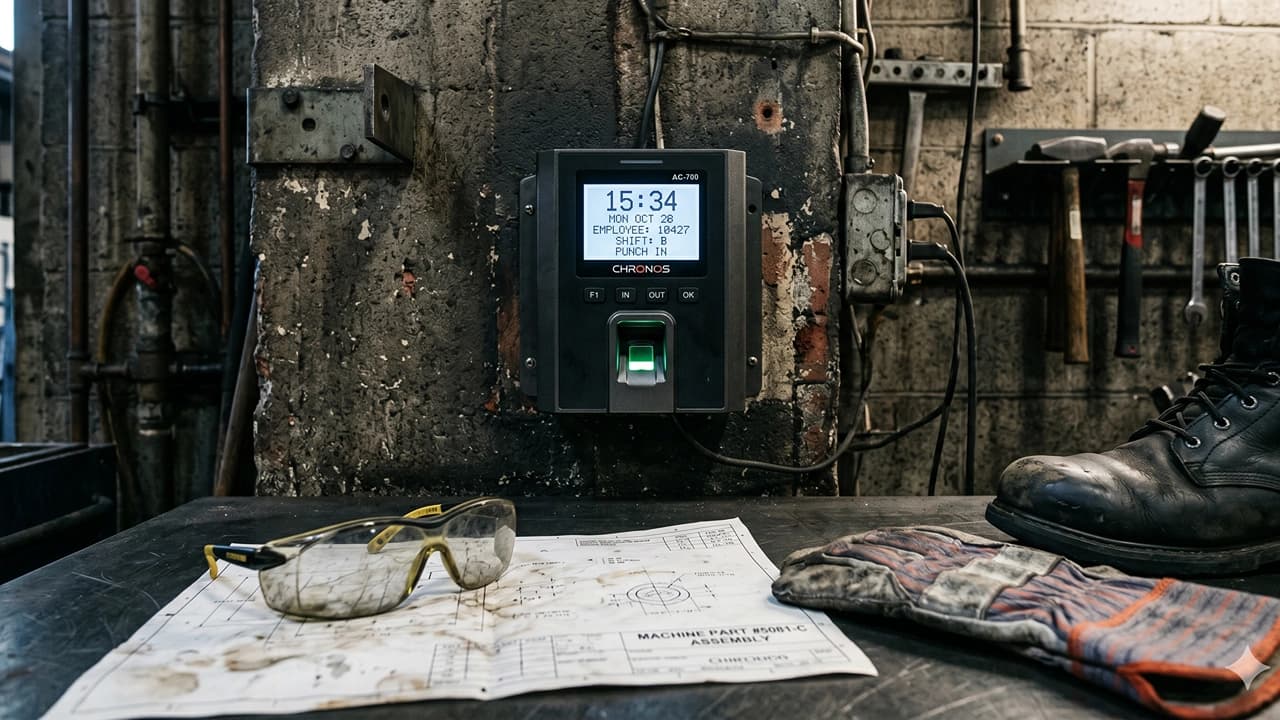
Unpaid Compensation The employees’ primary claim centered on the company’s alleged failure to record and pay for all time worked, including periods that should have qualified for overtime pay. Counsel contended that the company’s systems had improperly handled time clock adjustments and failed to adequately track all compensable working time.
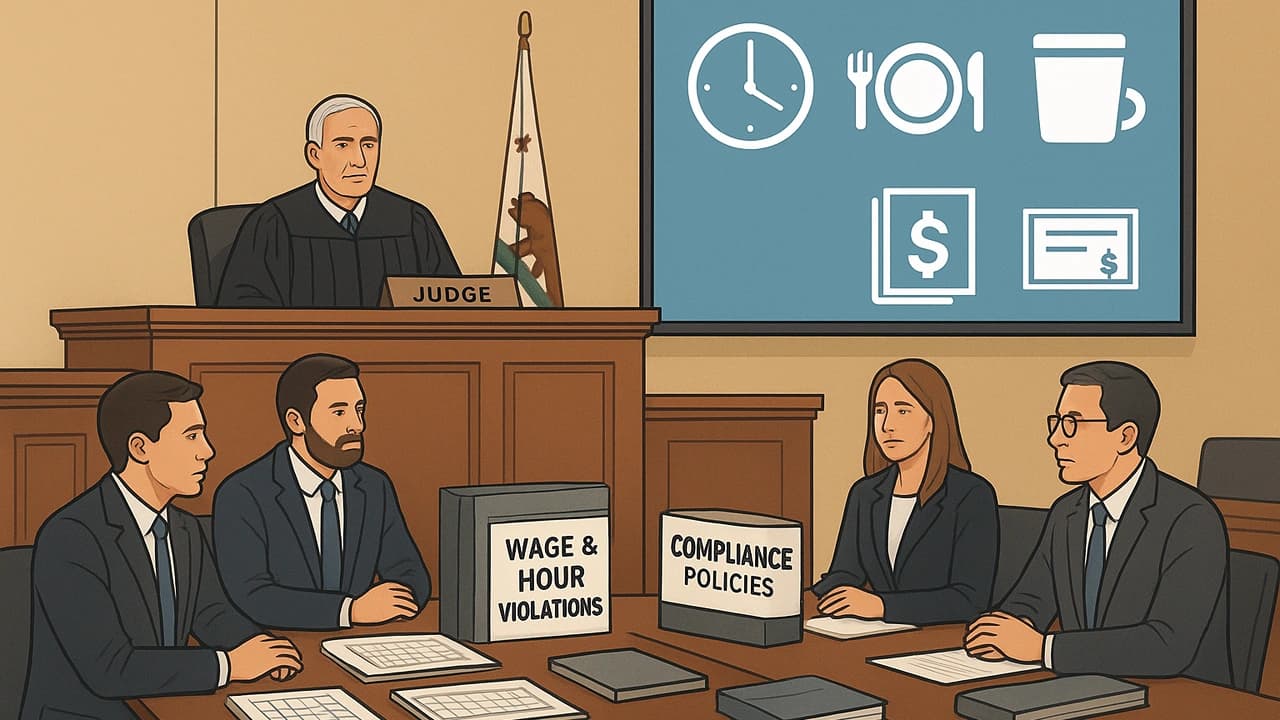
Rest and Meal Break Violations Counsel emphasized that a company is required to provide compliant meal and rest breaks. The Plaintiff’s team asserted that the company did not ensure employees could take uninterrupted 30-minute meal breaks and 10-minute rest periods, often pushing workers past the legal limit without providing the legally required extra hour of pay when a break was denied.
Wage Statement and Final Pay Penalties The class representative's lawyers also asserted claims that were designed to punish the alleged systemic non-compliance. These included demands for statutory penalties, stating that the employees’ wage statements were defective because they failed to accurately reflect all hours, rates of pay, and the premium pay owed for missed breaks. Furthermore, the company faced demands for waiting time penalties, which apply when an employer fails to provide an employee with a complete and accurate final paycheck immediately upon their termination.
Defense
Attorneys representing the Smashburger entities forcefully denied all claims throughout the litigation. In their legal answer, the defense asserted that the company had always maintained policies and procedures that fully complied with California's wage and hour laws, including the rules governing rest breaks, meal periods, and overtime. The defense team contended that any isolated instances of non-compliance, if they occurred, were the result of individual employee behavior, poor communication, or the employee’s own choice, rather than a corporate-mandated policy. They maintained that the company had provided the opportunity for compliant breaks and timely pay. The company had prepared to defend itself at trial, including challenging the class certification itself.
Settlement
The complex legal dispute between the Plaintiff class and the Smashburger entities did not ultimately require a jury. Instead, the parties entered into a comprehensive settlement agreement that the Los Angeles Superior Court later approved. This resolution formally concluded all wage and hour claims that current and former hourly employees had brought against the Defendants.
The settlement established a total gross amount of $989,940 (Nine Hundred Eighty-Nine Thousand, Nine Hundred Forty Dollars) to resolve all claims and penalties in the case. This final sum was intended to cover direct payments to the class members, a portion of civil penalties that were required to be paid to the California Labor & Workforce Development Agency under the Private Attorneys General Act, the fees and costs for the Plaintiff’s attorneys, and the costs to administer the entire settlement process.
The Court's final order confirmed the settlement terms, specifying that the agreement was not an admission of wrongdoing, fault, or liability by Icon Burger Acquisition LLC or the other Defendants. The company’s decision to settle was described as a practical move to eliminate the significant, ongoing expense and risk associated with continuing the complex litigation. The final judicial approval, entered in April 2025, ended the matter, with the class members who did not opt out agreeing to release their claims in exchange for their respective shares of the fund.
Court documents are available upon request at [email protected]