
Case Background
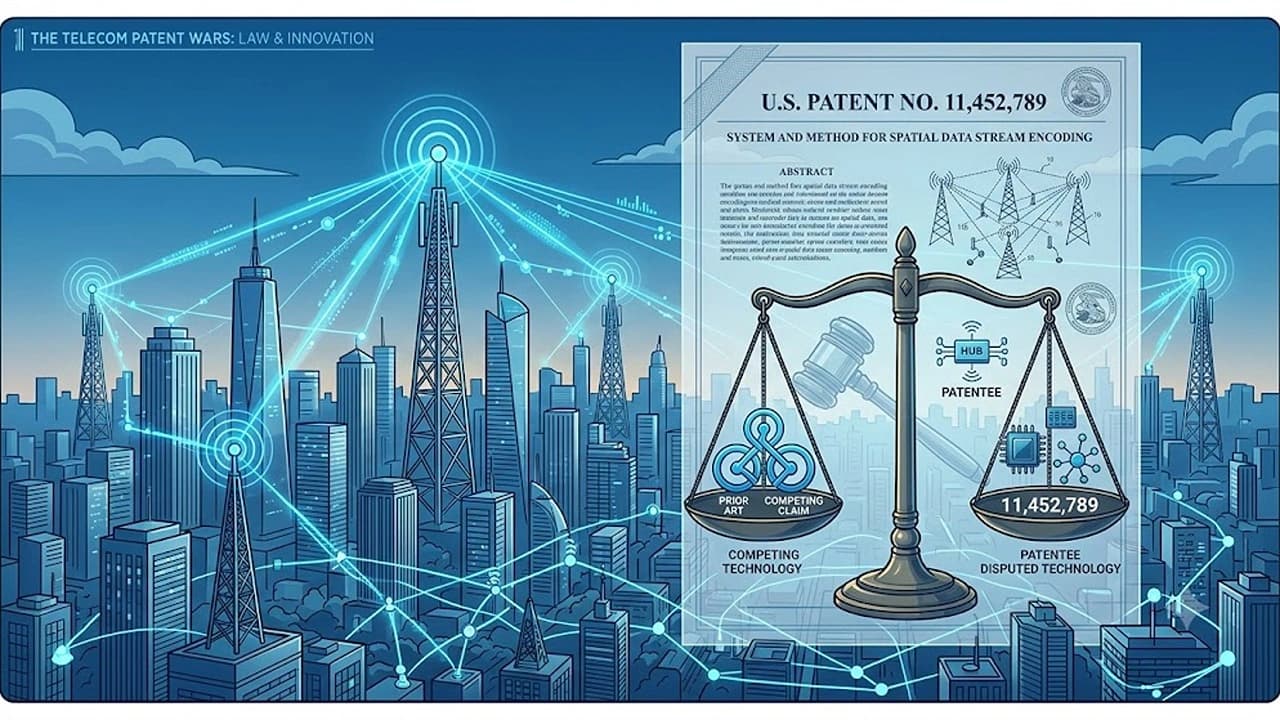
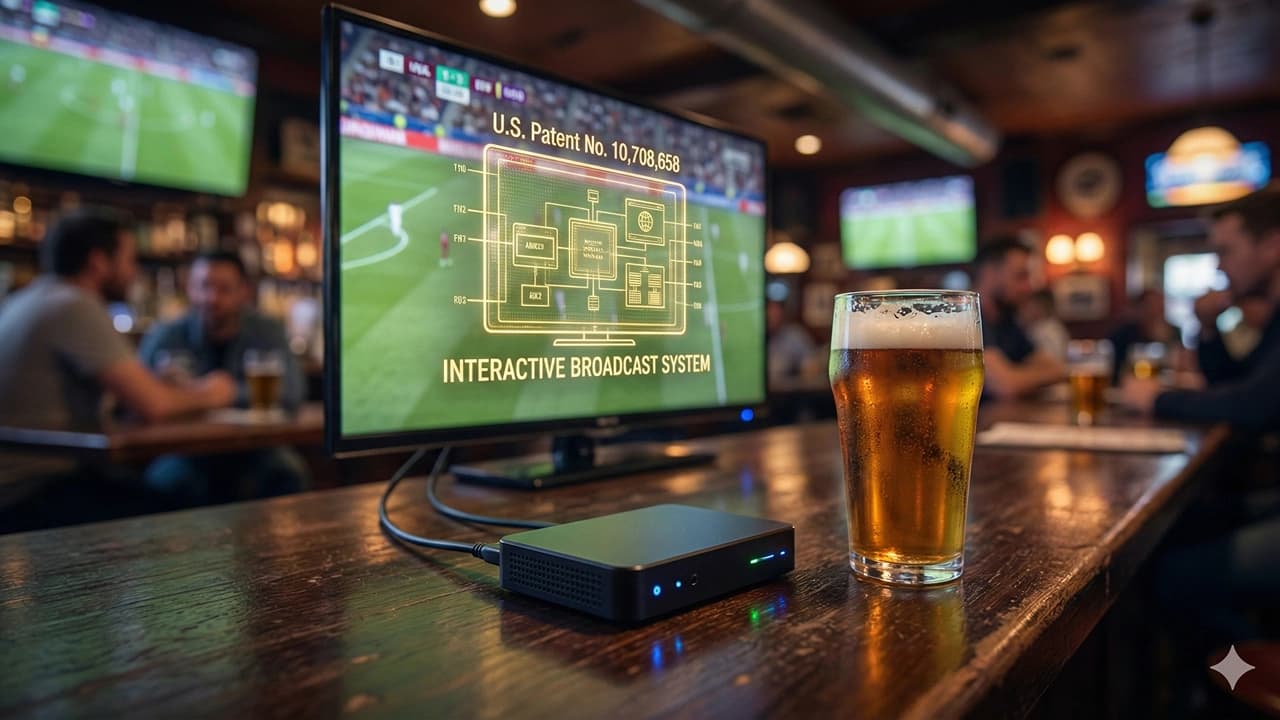
The legal battle centered on a high-stakes patent dispute between MyChoice, LLC and BarBoards, LLC (the Plaintiffs) and Taiv, Inc. (the Defendant). The conflict arose within the competitive landscape of commercial television technology, specifically focusing on systems designed to detect and replace content in real-time. MyChoice, an innovator in content curation, and BarBoards, its exclusive licensee, initiated the lawsuit to protect their intellectual property rights regarding U.S. Patent No. 10,708,658 (the '658 Patent). This patent covers technology that enhances video viewing experiences by automatically swapping out undesirable content such as standard commercials with substitute content tailored to user preferences.
Cause
The core of the litigation involved allegations of patent infringement. The Plaintiffs claimed that Taiv, Inc. had built its business model on technology that utilized the specific methods protected by the '658 Patent without permission. This included the sophisticated process of monitoring a media stream, detecting specific content segments like advertisements, and seamlessly triggering a switch to alternative video feeds based on stored user data.
Injury
MyChoice and BarBoards argued that Taiv’s unauthorized use of their patented technology had caused them significant financial injury and eroded their exclusive position in the market. By deploying infringing systems in bars and restaurants, Taiv allegedly captured revenue and market share that rightfully belonged to the patent holders. The Plaintiffs contended that this infringement was not merely accidental but was conducted with full knowledge of the '658 Patent, thereby undermining the value of their innovation.
Damages Sought
To remedy these injuries, the Plaintiffs sought monetary compensation in the form of a reasonable royalty for every infringing use of the technology. Furthermore, they pursued a finding of willful infringement, asserting that Taiv had acted with disregard for the Plaintiffs' established patent rights. A finding of willfulness opens the door for enhanced damages, reflecting the severity of the violation.
Key Arguments and Proceedings
Legal Representation
Plaintiff(s): MyChoice, LLC | BarBoards, LLC
Counsel for Plaintiff(s): M. Craig Tyler | Andrew Kalamarides | Helena E.D. Burns | Riley W. Zoch | Matthew Lutz | James Travis Underwood
Defendant(s): Taiv, Inc.
Counsel for Defendant(s): Ryan Jared Marton | Carolyn C Chang | Hector Ribera | Phillip John Haack | Deron R Dacus
Key Arguments or Remarks by Counsel
Claims regarding the '658 Patent
The Plaintiffs' legal team presented a detailed narrative describing how the '658 Patent revolutionized the "out-of-home" viewing experience. They explained that before this invention, venue owners relied on cumbersome manual methods to change channels during commercials. The '658 Patent introduced a "monitoring station" that could detect undesirable content in real-time and automatically switch to a preferred feed—such as trivia or venue-specific promotions—before returning to the live broadcast exactly when the action resumed.
Counsel for MyChoice and BarBoards argued that Taiv’s system mirrored these exact steps. They pointed to Taiv’s marketing materials, which promised venue owners the ability to "automatically detect TV commercials in real time" and switch to their own content. The Plaintiffs asserted that Taiv’s hardware and software performed every element of the asserted patent claims, specifically Claims 1, 5, 7, and 9. They emphasized that Taiv had been aware of the '658 Patent since at least June 2022, yet continued to market and install their infringing systems in thousands of venues, including many in Texas.
Defense Arguments regarding Invalidity and Non-Infringement
The defense vehemently denied these allegations. Taiv’s counsel argued that their technology operated differently from the method described in the '658 Patent and therefore did not infringe. They likely contended that their system’s method of detection or content substitution did not meet the strict definitions laid out in the patent claims.
Beyond denying infringement, the defense launched a counter-attack on the validity of the patent itself. They attempted to prove by "clear and convincing evidence" that the '658 Patent should never have been granted. This argument typically rests on the assertion that the invention was obvious or anticipated by earlier technologies (prior art). Taiv sought to invalidate Claims 1, 5, 7, and 9, arguing that the concepts of monitoring video streams and switching content were already known in the industry before MyChoice filed their patent application.
Jury Verdict
In the patent infringement case MyChoice, LLC and BarBoards LLC v. Taiv, Inc., filed in the United States District Court for the Eastern District of Texas, Marshall Division, the jury trial concluded on December 11, 2025, with a unanimous verdict in favor of the Defendant, Taiv, Inc. The Plaintiffs had alleged that Taiv infringed claims 1, 5, 7, and 9 of U.S. Patent No. 10,708,658. However, the jury found that Taiv did not infringe any of the asserted claims. The jury further determined that Taiv proved by clear and convincing evidence that all four asserted claims are invalid. Because the jury found no infringement and invalidated all claims, questions regarding willful infringement and damages were not addressed.
On December 17, 2025, United States District Judge Rodney Gilstrap entered judgment in accordance with the jury's verdict pursuant to Federal Rule of Civil Procedure 58. The court ordered that Taiv has not infringed the asserted claims and that all asserted claims are invalid. The court also declared Taiv the prevailing party in the case, entitling Taiv to recover its costs from the Plaintiffs under Federal Rule of Civil Procedure 54(d), Local Rule CV-54, and 28 U.S.C. § 1920. Taiv was directed to file its Bill of Costs. All other pending requests for relief not specifically addressed in the judgment were denied.
Court documents are available upon request at [email protected]