

Case Background
The case of Audrey Smith v. Sheri Lee began with an incident that unfolded on a residential property in Tolland County, Connecticut. On a day that seemed ordinary, Audrey Smith suffered a fall that she believed resulted from unsafe conditions created or left unaddressed by the property owner, Sheri Lee. What started as a sudden accident soon developed into a drawn-out legal dispute over responsibility, negligence, and damages.
Smith filed her complaint in 2022, claiming that Lee failed to maintain the premises in a safe condition. According to her, the area where she fell was dangerous, and Lee either knew or should have known of the hazard. Smith alleged that this negligence caused her injuries, which not only led to immediate pain but also brought lasting effects that disrupted her health, her work, and her daily life.
The case went through the usual phases of civil litigation—complaint, defense filings, discovery, and eventually a jury trial. At every stage, both sides painted different pictures of what happened and who bore the responsibility. After nearly two years of proceedings, the matter reached a verdict in May 2024.
Cause
At the heart of Smith’s claim lay the issue of premises safety. She asserted that Sheri Lee either ignored or overlooked a dangerous condition that should have been repaired, removed, or at least warned against. In her complaint, she argued that the property owner owed her a duty of care as a lawful visitor and that duty was breached.
Her cause of action rested on the principle of negligence. Smith’s attorneys emphasized that Lee had a legal responsibility to maintain the property so that guests or visitors would not face unreasonable risks of harm. By failing in that duty, they argued, Lee became liable for the accident that followed.
Injury
The fall left Audrey Smith with physical injuries that she said went beyond minor bruises. She described ongoing pain, mobility issues, and lingering discomfort that forced her to alter how she lived her life. Doctors documented her complaints and provided records of treatments she underwent.
Smith reported difficulty carrying out daily activities, disruptions in her routines, and continuing medical needs linked directly to the fall. According to her medical reports, she faced a future where some symptoms might remain permanent, marking the event as a turning point in her health and wellbeing.
Damages
Smith sought both economic and non-economic damages. Economically, she claimed reimbursement for medical expenses emergency visits, diagnostic testing, follow-up appointments, and physical therapy. She also included lost wages and argued for compensation for reduced earning capacity if her injuries limited her work opportunities.
Her non-economic damages focused on pain, suffering, and loss of enjoyment of life. She told the jury that the accident left her with chronic discomfort and a diminished ability to enjoy ordinary activities. The damages phase of the trial gave the jury a chance to weigh both the financial burden and the personal toll of the accident.
Key Arguments and Proceedings
Legal Representation
Plaintiff: Audrey Smith
Counsel for Plaintiff: Aimee Sportini
Experts for Plaintiff: Kevin Burton | Mark Tebbetts | Thomas Kilkenny | Ted Metzger | Christopher Taubes | Adam Federman |
Defendant: Sheri L. Lee
Counsel for Defendant: Cara K. Hale
Experts for Defendant: Thomas L. Hannon | James Paquin
Key Arguments by Counsel
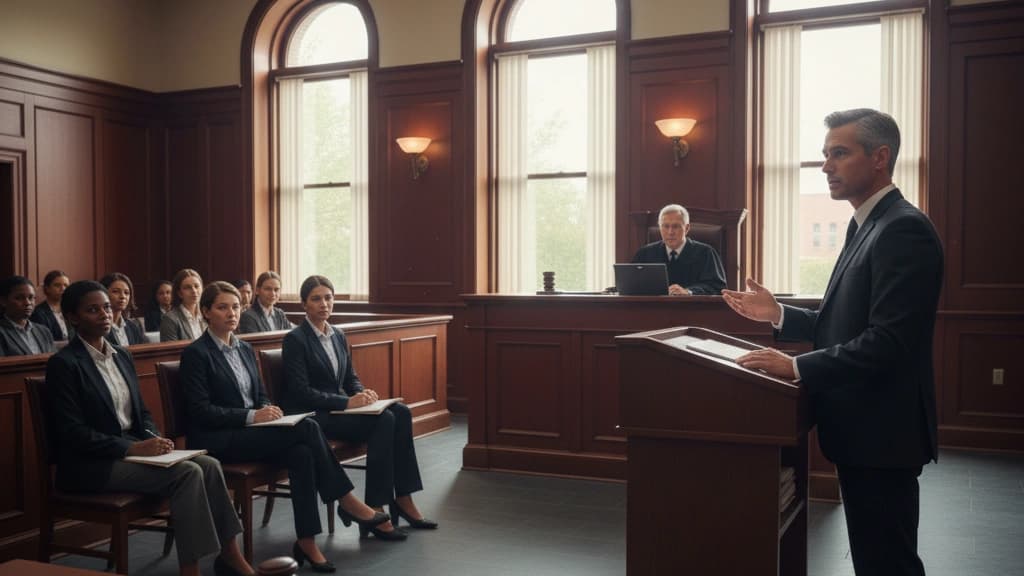
The Plaintiff’s counsel urged jurors to see the case through the lens of duty and responsibility. She argued that property owners cannot shift blame onto injured guests when hazards are preventable. Her remarks stressed that Smith was an unsuspecting visitor, not someone acting carelessly, and that the law required Lee to ensure basic safety.
Defense counsel, by contrast, framed the case as one of personal responsibility. She reminded jurors that adults must be alert and cautious, especially when moving across surfaces that might present risks. She claimed Smith failed to meet that basic standard and that her own actions, rather than the condition of the property, caused her fall.
Claims
The Plaintiff claimed negligence, unsafe property conditions, and breach of duty of care. She argued that Sheri Lee’s failure to maintain or warn about the hazard directly caused her fall and subsequent injuries.
Defense
Sheri Lee’s defense denied negligence and shifted focus to Smith’s behavior. They claimed she failed to be careful, failed to avoid conditions she alleged were dangerous, and failed to use her senses properly. Their special defense made clear that even if a hazard existed, Smith’s inattention and carelessness caused her fall.
Jury Verdict
After hearing the testimony, reviewing exhibits, and weighing the arguments, the jury reached its decision on May 31, 2024. The panel found in favor of the Plaintiff, Audrey Smith, and against the Defendant, Sheri Lee.
The award of damages reflected both economic costs, such as medical bills, and non-economic losses tied to pain, suffering, and reduced quality of life. By siding with Smith, the jury signalled that the duty of a property owner to maintain safe conditions outweighed arguments about personal responsibility in this case. The final judgment marked a resolution after nearly two years of dispute.