
Case Background
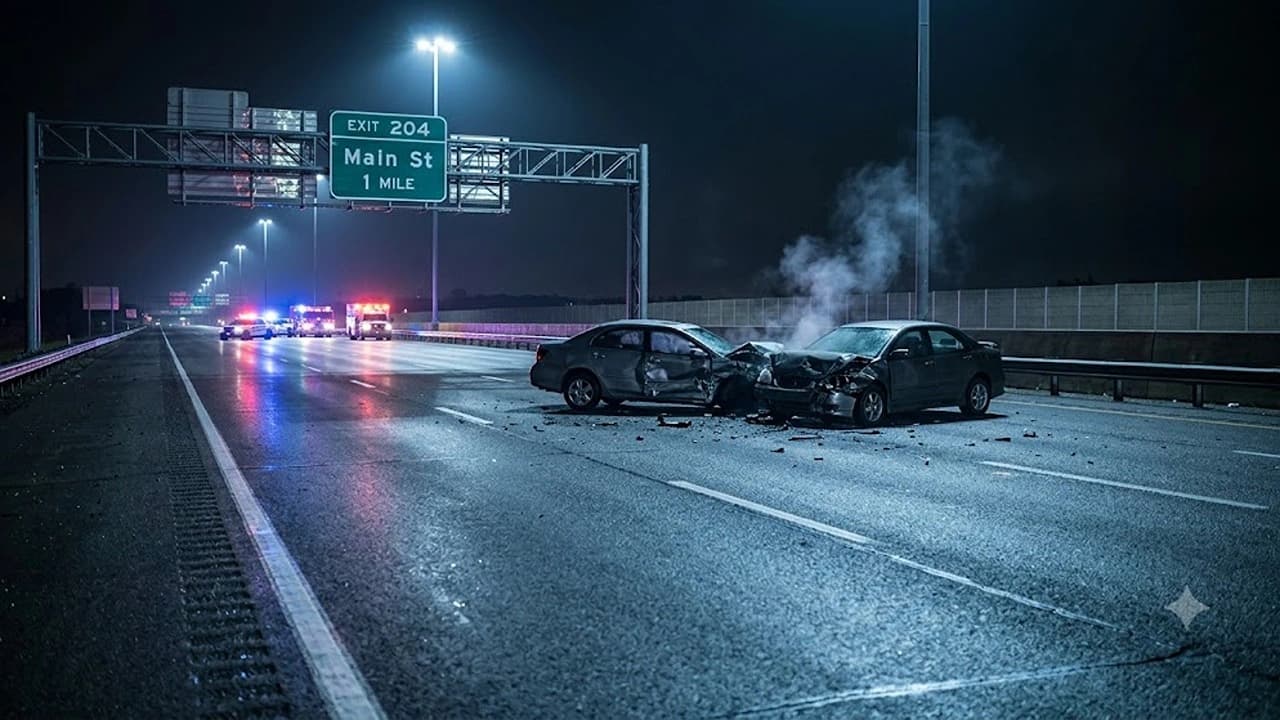
The legal battle began following a tragic traffic collision on the evening of November 25, 2018, in Los Angeles, California. Nora Rose-Hines, a 19-year-old woman, drove her vehicle eastbound on Strathern Street. As she reached the intersection of Balboa Boulevard, she attempted to execute a left-hand turn to head northbound. During this maneuver, a vehicle driven by Tiana Brown struck Nora’s car on the driver’s side. The impact proved fatal, and Nora died from her injuries shortly thereafter.
Cause
The Plaintiffs alleged that the collision resulted from a combination of driver negligence and a dangerous roadway environment. They specifically targeted the intersection of Strathern Street and Balboa Boulevard, claiming it lacked the necessary safety features to handle the high volume of traffic present at the time. The complaint asserted that the City of Los Angeles and CalTrans maintained the property in a way that created an unreasonable risk to motorists exercising ordinary care.
Injury
The primary injury in this case was the untimely death of Nora Rose-Hines. Beyond the loss of life, her mothers, Patricia Hines and Margot Rose, suffered the profound emotional loss of their daughter. The legal filings detailed the deprivation of love, companionship, comfort, and moral support that Nora provided to her family.
Damages Sought
The Plaintiffs filed a wrongful death lawsuit seeking both general and special damages. This included compensation for the loss of future financial support, the value of household services Nora would have provided, and the loss of her society and protection. Additionally, the family sought reimbursement for funeral and burial expenses incurred after the accident.
Key Arguments and Proceedings
The litigation moved through the Los Angeles County Superior Court system, originally assigned to Judicial Officer Christopher Lui. The legal process involved an initial complaint filed in August 2019, followed by the City's formal response in September 2019. The parties prepared for a trial that was initially scheduled for early 2021.
Legal Representation
Plaintiff(s): Patricia Hines | Margot Rose
· Counsel for Plaintiff(s): Slav Kasreliovich | Joseph Finnerty
Defendant(s): The City of Los Angeles | The State of California (CalTrans) | Tiana Brown.
· Counsel for Defendant(s): Michael N. Feuer | Wilberta Breedy-Richardson | Karen Woodward
Key Arguments or Remarks by Counsel
The Plaintiffs' legal team argued that the intersection was a "death trap" due to its design. They contended that the City knew about the dangers because several similar collisions had occurred at the same spot previously. Counsel argued that the City had a duty to upgrade or modify the intersection such as by adding protected left-turn signals to accommodate the increased traffic flow that had developed over the years.
Claims
The lawsuit centered on two primary legal theories. First, the Plaintiffs claimed a "Dangerous Condition of Public Property" under Government Code sections 830 and 835. They argued the government Defendants owned and controlled the intersection and allowed it to remain in a hazardous state despite having actual or constructive notice of the danger. Second, they brought a "Wrongful Death" claim against the driver, Tiana Brown, alleging she breached her duty of care by failing to operate her vehicle safely, which served as a substantial factor in the fatal crash.
Defense
The City of Los Angeles mounted a vigorous defense, denying all allegations of wrongdoing. In its formal answer, the City asserted several affirmative defenses. It argued that Nora Rose-Hines herself was negligent and that her own actions contributed to the accident, which should legally reduce any potential recovery. The City also claimed "Design Immunity," arguing that the intersection's design conformed to approved standards at the time of construction. Furthermore, the City alleged that the negligence of third parties, including the other driver, was the true cause of the harm.
Settlement
A long-running lawsuit between Patricia Hines and the City of Los Angeles came to a close after both sides agreed to settle the entire case. The Plaintiff's attorney filed the official Notice of Settlement with the Superior Court of California, County of Los Angeles, on January 18, 2024, bringing an end to a legal dispute that stretched across more than four years.
The settlement reached between Hines and the City of Los Angeles was not a simple, immediate deal. Instead, the two parties agreed to what the Courts call a conditional settlement. This type of agreement means that the dismissal of the case depends on both sides completing certain specified terms, and those terms cannot reasonably be wrapped up within the standard 45-day window that Courts typically allow.
Because of this conditional nature, Finnerty checked the box on the official Court form indicating that he would file the request for dismissal of the entire case no later than April 18, 2024. That deadline gave both parties roughly three months from the date the settlement notice went to Court to fulfill whatever obligations they had agreed upon.
Court documents are available upon request at [email protected]