

Case Background
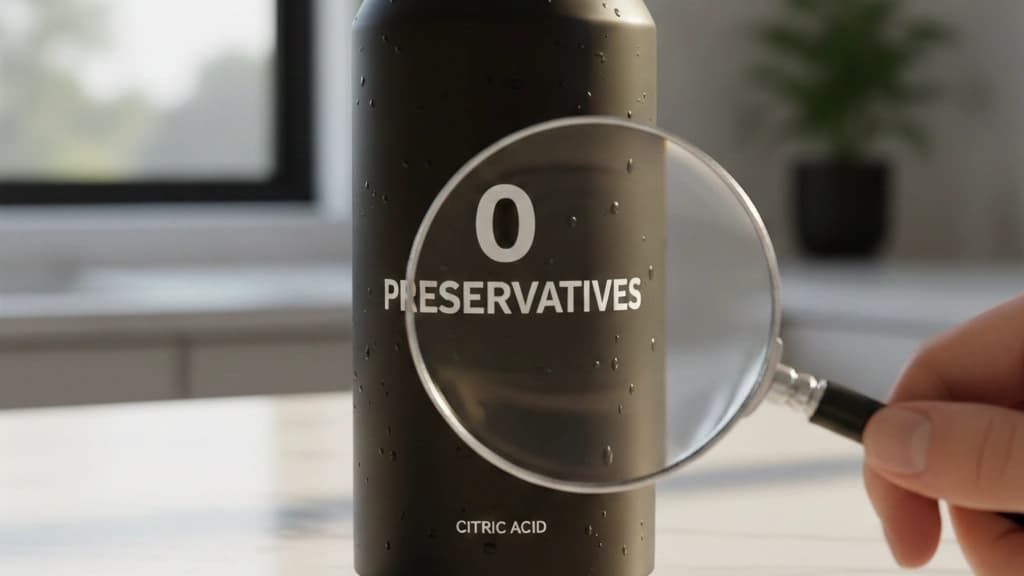
The global energy drink market had grown to a staggering $85 billion by 2021, driven largely by a "clean label" movement where consumers sought out products with simpler, more natural ingredients. Mikhail Gershzon, a resident of San Francisco, noticed this trend and looked for healthier options for his own consumption. In June 2023, he purchased a "Wild Orange" ZOA Energy drink from a Walmart, specifically relying on the bold claim on the front of the can that the product contained "0 Preservatives". He believed that he was buying a clean-energy beverage that avoided the synthetic additives found in traditional competitors.
However, Gershzon later discovered that the drink's ingredient list told a different story. Despite the prominent "0 Preservatives" marketing, the product actually contained citric acid, a common chemical preservative. Feeling misled, Gershzon filed a class-action lawsuit against ZOA Energy, LLC, an energy drink company that had reported over $100 million in sales in 2022. He alleged that the company had capitalized on the health-conscious "clean label" market by using false and deceptive advertising to sell its products at a premium price.
Cause
The lawsuit originated from ZOA Energy’s use of the label "0 Preservatives" on its various energy drink products. The Plaintiff argued that this claim was factually false because the drinks contained citric acid. Under federal and state guidelines, citric acid is recognized as a chemical preservative because it prevents or retards the deterioration of food and beverages. The Plaintiff contended that ZOA knowingly marketed its products with this "free-from" claim to exploit consumer preferences for less processed, more natural beverages.
Injury
Mikhail Gershzon and other consumers suffered financial harm because they purchased a product that did not have the qualities advertised. Gershzon stated that he would not have bought the drink, or would have paid significantly less for it, if he had known it actually contained preservatives. By paying for a "preservative-free" product and receiving one that contained citric acid, the consumers lost the benefit of their bargain and paid a "price premium" based on ZOA's misleading claims.
Damages Sought
The Plaintiff sought several forms of relief for himself and the class of consumers he represented. This included restitution for the money consumers spent on the products and the disgorgement of any profits ZOA Energy earned through its allegedly deceptive marketing practices. Additionally, the lawsuit requested a Court order to stop ZOA from continuing to use the "0 Preservatives" label and sought declaratory relief to officially recognize that the company’s conduct violated the law.
Key Arguments and Proceedings
The legal battle focused on whether a reasonable consumer would be misled by ZOA’s labeling. The Plaintiff argued that the "0 Preservatives" claim was an "unequivocal and bold" affirmation of fact that was directly contradicted by the presence of citric acid. He presented evidence showing that the Food and Drug Administration (FDA) and various industry databases explicitly identify citric acid as a preservative.
ZOA Energy, while ultimately agreeing to settle the matter to avoid further litigation, did not admit to any liability or wrongdoing. The proceedings culminated in a motion for preliminary approval of a class-wide settlement, which the Court reviewed to ensure it was fair and reasonable for the thousands of affected consumers across the United States.
Legal Representation
Plaintiff(s): Mikhail Gershzon
· Counsel for Plaintiff(s): Michael D. Braun | Peter N. Wasylyk
Defendant(s): ZOA Energy, LLC
Counsel for Defendant(s): Jesse S Krompier | Stephanie Beth Schuster
Key Arguments or Remarks by Counsel
Counsel for the Plaintiff emphasized that the "clean label" movement is the largest shift in American food habits in decades. They argued that ZOA Energy's marketing was a calculated move to capture this market by promising "cleaner energy" while hiding the truth in the fine print of the ingredient list.
Claims
The lawsuit brought several specific legal claims against ZOA Energy, including: Violation of California’s Unfair Competition Law The Plaintiff alleged that ZOA's deceptive labeling constituted an unlawful, unfair, and fraudulent business practice under California law.
Violation of California’s False Advertising Law The complaint argued that the "0 Preservatives" label was a false and misleading advertisement intended to trick consumers into purchasing the drinks.
Breach of Warranty The Plaintiff contended that ZOA breached an express warranty by failing to provide a product that lived up to the "0 Preservatives" promise made on the packaging.
Unjust Enrichment The lawsuit claimed that ZOA unfairly benefited from the money it collected from consumers who bought the drinks under false pretenses.
Defense
ZOA Energy maintained that its products were marketed lawfully. While the company did not file a detailed public defense before settling, such companies typically argue that ingredients like citric acid are used for flavor rather than preservation, or that the labels are not misleading to a "reasonable consumer" who can read the full ingredient list.
Settlement
The parties reached a settlement before the case went to a jury trial. The Court granted preliminary approval of a $3,000,000 settlement to resolve the claims of the nationwide class. This settlement class included anyone in the United States who purchased a ZOA Energy drink labeled "0 Preservatives" between March 1, 2021, and the date of the order.
Under the terms of the agreement, the $3,000,000 fund will be used to pay valid claims from consumers, cover the costs of notifying the class, and pay for legal fees. The Court found the settlement to be the result of "serious, informed, non-collusive, arms-length negotiations". While ZOA Energy avoided a formal finding of guilt, the settlement effectively ended the dispute over its "0 Preservatives" marketing.
Court documents are available upon request at [email protected]