
Paul Simon once sang "50 Ways to Leave Your Lover," suggesting you can "just slip out the back, Jack" or "make a new plan, Stan."
While ghosting might work in some relationships (though I don't recommend it), expert witnesses face more nuanced challenges: how to decline engagement opportunities while preserving—and even strengthening—valuable attorney relationships.
Unlike Simon's cavalier suggestions, declinations require gratitude, finesse, tact, professionalism, and often a helping hand that fosters toward future opportunities.
The Declination Dance
You know the drill. It goes like this:
The email or phone call arrives at 4:35 PM on a Friday: another attorney seeks your expertise for a complex insurance dispute. You read the details and realize you can’t take it despite it being an interesting case. The deadlines are aggressive, and the extensive documents need review. Still, you’re tempted!
But, your calendar is already stuffed with commitments for the next quarter.
Adding another engagement might degrade the quality of work for other clients.
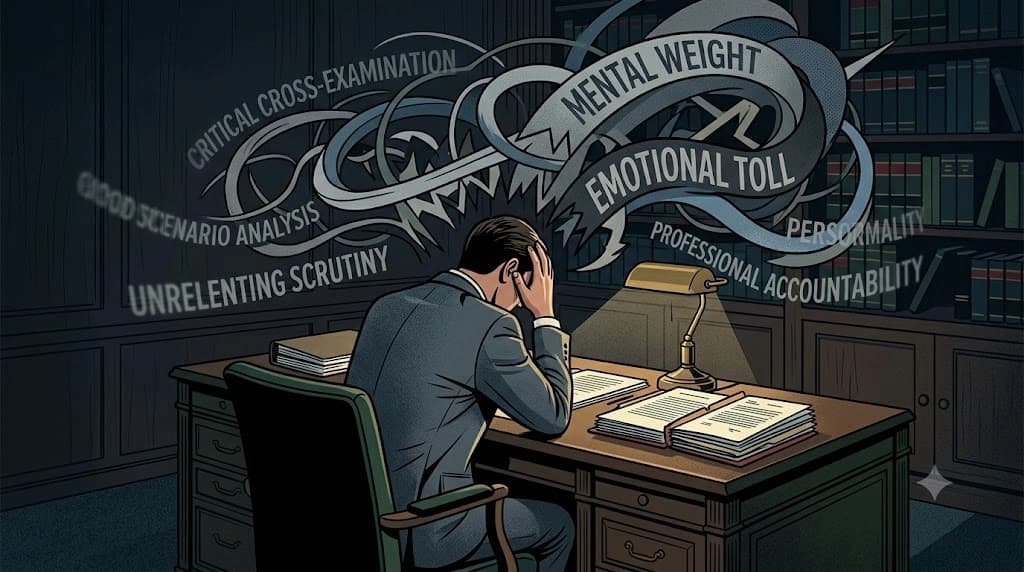
Now comes the delicate task of declining an engagement while preserving and strengthening professional relationships with attorneys.
This scenario recurs regularly for expert witnesses. Handling these situations gracefully can significantly impact our professional success and reputation among attorneys.
The Power of “No”
While seemingly counterintuitive, learning to say "no" effectively is as important as delivering excellent work on the cases we accept.
Experienced experts understand the need for efficiency in managing these situations.
BlockQuote - Practice tip: Build a small inventory of thoughtfully crafted response “templates” to customize for specific circumstances.
These aren't rigid, impersonal forms. Instead, they are carefully constructed frameworks that ensure consistent professionalism while allowing for a personal touch.
A well-crafted template includes genuine appreciation for being considered, a clear but diplomatic reason for declining, alternative solutions or referrals, and an invitation for future opportunities.
Skirting The “People-Pleaser” Trap
The helpful instinct to help can lead down a dangerous path.
Many experts fall into the "people-pleaser" trap, accepting every case that comes their way.
While well-intentioned, this approach often leads to cascading problems: missed deadlines, compromised work quality, increased stress, and damaged professional (and family) relationships.
The reality: overcommitting does not serve anyone well—not the attorney, not the client, and certainly not the expert.
Remember, “No thanks” is a complete sentence!
Instead, view declination as an opportunity to boost relationships.
Experts have other legitimate reasons, besides overcapacity, to politely decline cases. These include:
- The subject matter does not fall within your area of expertise;
- The subject matter is at the fringe or periphery of your expertise;
- You perceive a conflict – ethical or business-related;
- The subject matter is within your swim lane, but the deadline is unrealistic, given other commitments (professional and personal);
- The universe of documents needing review is massive;
- The attorney seems to be “shopping on price” – a tire-kicker whose selection is cost-driven;
- Lawyer assures you that he/she will draft the opinion and they “Just need an expert to say [fill in the blank];”
- Your gut feeling screams, “Stay Away!”
The tips apply equally when saying “No” to referral agencies as well.
Real-World Example
When I recently declined a case involving an insurance dispute, I quickly customized my standard response template, acknowledging the attorney's specific needs and timeline constraints.
The response expressed genuine appreciation for being considered, explained my current caseload and commitments, and included an enthusiastic introduction to a colleague who specialized in the analysis needed (e.g., insurance underwriting).
This approach accomplished several things: it helped the attorney find qualified assistance, created an opportunity for a colleague, and demonstrated my commitment to the attorney's needs even when I couldn't personally take the case.
Time is of the essence…
Timing is crucial.
When attorneys call, they're often working against tight deadlines.
Having well-prepared response templates lets you reply promptly, even if it's a declination, showing respect for their time and letting them pursue other options quickly.
A simple acknowledgment saying, "I've received your inquiry and am reviewing it carefully. I'll get back to you with a definitive response by tomorrow morning," followed by a thoughtful, customized declination, when necessary, can preserve professional positivity.
Reframing the Declination
How you frame a declination matters significantly. Rather than a terse, "I'm too busy," respond by sharing insights that could benefit their case strategy while explaining your constraints.
A template might include customizable language: "While my current commitments prevent me from taking on this engagement, I noticed that the case involves specific aspects of business interruption claims. My colleague [insert name from your network] has published on this topic and has testified in similar cases. Let me send you her contact information and a link to her professional bio."
This approach transforms what could be a disappointing dead-end into a valuable exchange.
By providing a practical solution to their needs, you show your expertise and willingness to help.
Moreover, it creates opportunities for colleagues, potentially leading to future reciprocal referrals.
Relationships: The Cornerstone of Success
The foundation of a successful expert witness practice isn't just technical expertise; it's relationships. Technical expertise is just the table stakes, the bare minimum for eligibility.
View each interaction, including declinations, as an opportunity to strengthen connectional bonds.
By maintaining open communication and modeling a commitment to quality over quantity, you build trust with attorneys who will remember your professionalism when future opportunities arise.
Ironically, declining engagements for the right reasons often enhances rather than diminishes an expert's professional standing.
Attorneys respect experts who know their limitations and maintain exacting standards.
When your response explains that you're declining because you want to ensure each client receives your best work or because the case requires expertise better provided by a colleague, you show integrity and professional judgment.
The Long Game
This approach repeatedly proves its value. I've had attorneys return months or years later with new cases, specifically mentioning that they appreciated my candor and helpfulness in prior interactions, even when those interactions involved declining their cases.
These renewed connections often occur when I'm better positioned to take on their matters, leading to successful collaborations that might not have occurred if I had handled the initial declination poorly.
Remember, you also build your reputation in the industry on your work and handling the work you cannot shoulder.
By approaching declinations professionally, offering alternatives, and keeping communication lines open, you can turn these awkward situations into opportunities to strengthen your professional network and create value for colleagues.
The next time you decline an engagement, view it—not as a closed door—but as an opportunity to demonstrate professionalism, help a colleague, and strengthen relationships within the legal community.
Today's diplomatic case declination could lead to optimal engagement in insurance litigation tomorrow!
One Way to Leave Your Lawyer . . . Happy
Unlike Paul Simon's "50 Ways to Leave Your Lover," there aren't 50 ways to decline an expert witness engagement; there’s one: with professionalism, respect, and an eye toward future opportunities.
No need to "hop on the bus, Gus" or "drop off the key, Lee."
Instead, craft a thoughtful response that opens the door for tomorrow's perfect engagement.
After all, in the interconnected world of expert witnessing, the attorney you gracefully decline today may return with your dream case tomorrow.
And when that happens, you'll be glad you didn't just "slip out the back, Jack."
BlockQuote - Kevin Quinley, CPCU, AIC, ARM, is the Founder of Quinley Risk Associates LLC. With 47 years of claims experience, he is a nationwide expert in over 150 cases in state and federal courts. He helps clients improve outcomes through expert evaluation and testimony in high-stakes insurance claim disputes. Kevin has written over 770 published articles and ten books on claims, litigation, and risk management.