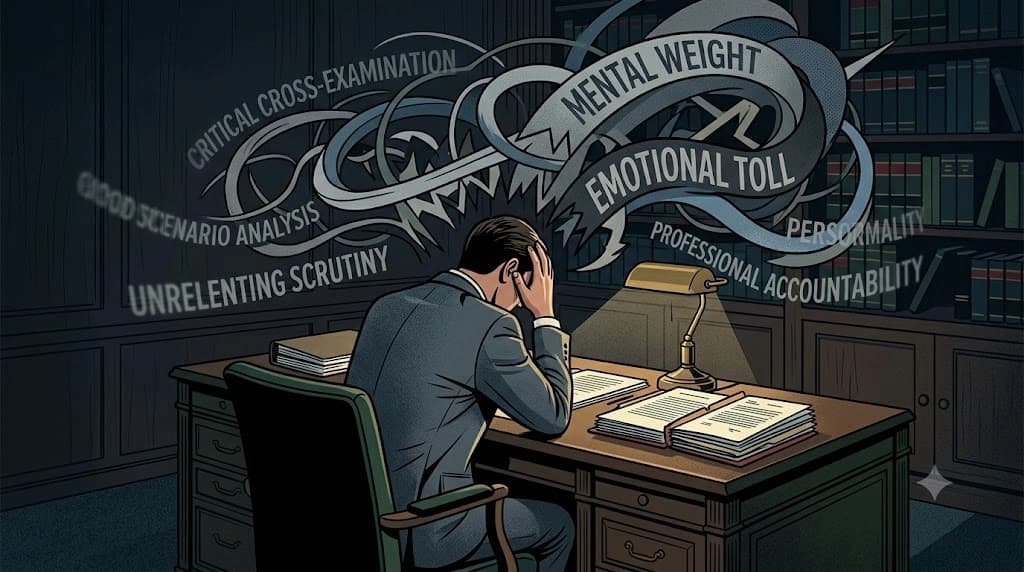


Every expert witness has a horror story: the attorney who "forgot" to mention a trial date until two weeks prior, the invoice that sat unpaid for months before the client started nitpicking, and the case that dragged on for years while your hourly rate stayed frozen. Most nightmares share a common cause a handshake deal or a bare-bones engagement letter that left too much to chance.
While discussions of retention letters typically focus on the expert's hourly rate, these communiques can and should encompass other facets beyond monetary arrangements.
Engagement letters can serve multiple functions, highlighting important features that help and safeguard expert witnesses while documenting an hourly rate. Here are 17 examples of other features of expert witnessing or consulting engagements that the letter can include:
1. Opinion objectivity
Do not guarantee a favorable opinion. A friendly reminder: an expert's opinions are not guaranteed. (How would you know without reviewing the relevant material?)
2. Outcome independence
Likewise, do not guarantee a favorable outcome. A similar reminder is that the engagement provides no promise, guarantee, or warranty about the case's outcome.
3. Case Material Format
Address your preferred format for retaining counsel, providing you with materials; for example, hard copy vs. digital, Bates-stamped, organized, itemized, and cataloged to avoid confusion.
4. Exhibit Inclusion
Ask that retaining counsel provide Exhibits with depositions and Pleadings. By default, many attorneys inexplicably do not.
5. Case Development Updates
Include a requirement that the attorney provide pleadings, depositions, and other discovery materials as they become available to inform the expert about case developments. Otherwise, you invite that unwelcome phone call from a legal assistant who says, “We just overlooked the fact that we forgot to tell you that a trial is set for three weeks from today. Sorry!”
6. Searchable transcripts
Stipulate that retaining counsel provide depositions in searchable PDF formats, plus Errata Sheet changes made by deponents. Most do, but you can’t take it for granted.
7. A sunset clause on invoice disputes
For example, any client questions, objections, or adjustment requests regarding bills must be submitted in writing within XX days (e.g., 15) of the invoice date. If no client request or objection arises by then, the invoices are deemed approved and payable. This prevents situations where, two months after the invoice, the attorney nitpicks or complains about a bill they have been sitting on for months.
8. Billing frequency
Include language stating that payment must be received by the expert within X number of days from the Invoice date, and if not the expert has the option to stop working if an invoice is late after 30 days post-invoicing.
9. Testimony availability
Related to that, the expert is not obliged to testify at deposition or trial if any Invoices are unpaid and overdue.
10. Liability disclaimer
Include exculpatory language. For example, the expert will not be liable for any damages to the attorney or the client arising from delayed work or refusal to testify due to the client’s failure to pay invoices in a timely manner.
11. Engagement preconditions
Include a condition that the expert must receive the signed engagement letter and retainer before being disclosed, before starting work on a case, delivering a work product, or offering opinions.
12. Budget caveats
State that any budget that a client request is a good faith estimate, not a guarantee, warranty, or a not-to-exceed cap, and that time spent drafting a budget is billable.
13. Withdrawal parameters
Include terms for discharge and withdrawal. Specifically, specify the circumstances under which the expert can withdraw from the case for cause, e.g., failure to pay bills on time, not providing records promptly, failing to timely notify the expert of significant deadlines, or not informing the expert of any opposing side’s Motion in Limine or Daubert-type challenge; or any unreasonable restrictions on the expert's ability to prepare a report or testify.
14. Continuity clause
Clarify that the engagement is between the expert and the initial attorney/law firm. Thus, the expert's retention ends if the case moves to another law firm for any reason. The expert could then consider a separate retention by the successor firm or attorney.
15. Longevity rate adjustment
Include a fee escalation clause for long-standing cases. For example, if the case remains open for two years or more, the expert can later adjust the hourly rate as needed.
16. Jurisdiction specification
Stipulate the jurisdiction for adjudicating any dispute arising from the engagement agreement. Build in a home-court advantage. Typically, an expert might want exclusive jurisdiction and venue within the expert's geographic domicile. (In my case, this is Chesterfield County, VA.)
17. Collection recovery clause
God forbid you have to sue a client for payment but include language to the effect that if the expert successfully recovers fees and costs in a collection action, the expert can also recover costs and legal fees in pursuing the collection action.
Bonus tip:
If you get a referral from an expert witness intermediary, you'll probably receive the agency's retainer letter to sign. Review it carefully! Many, if not most, of these referral services see the law firm rather than the expert as their client. As a result, many do not include protective clauses for experts. Moral: Read the engagement letter closely. Be willing to negotiate terms, especially regarding the timeliness of client payments and the expert's right to stop work if payments are delayed.
The engagement letter is your first and only chance to include protective language that safeguards your financial interests and integrity. It sets the rules between you and the retaining attorney or law firm.
You don’t need a 40-page engagement letter (sorry, SEAK!) to accomplish these protective aims. Engagement letters create leverage for the expert witness to ensure fair treatment.
If a prospective client balks at these terms, consider it a red flag. Then, it's the expert or consultant's business decision about how much risk they are comfortable assuming. But since risk is our business, we can at least make informed, reasonable decisions about where to stand our ground and when to yield.
Insurance and legal professionals understand that words matter! The engagement letter is both a shield and a rulebook for interactions between experts and attorneys. A lengthy document isn't necessary to meet protective goals, but a written agreement that includes these provisions provides leverage for fair treatment.
Engagement letters are essential tools for navigating the complexities of litigation support. Their paragraphs clearly outline expectations, standards, and commitments in the expert's domain.
You wouldn't advise an insurance client to sign a contract or accept a policy full of gaps and undefined terms. Don't accept that standard for yourself. Take out your current engagement letter and compare it to these 17 provisions. You don't need all of them for every case, but you should make deliberate decisions about which risks you're willing to accept — not discover those risks after it's too late to fix them. If your letter needs updating, start revising today!
Kevin Quinley, CPCU, ARM, AIC, is an expert witness who helps attorneys nationwide establish compliance with or identify breaches of claim-handling industry customs and norms. You can reach him at [email protected] or at www.kevinquinley.com.