
Case Background
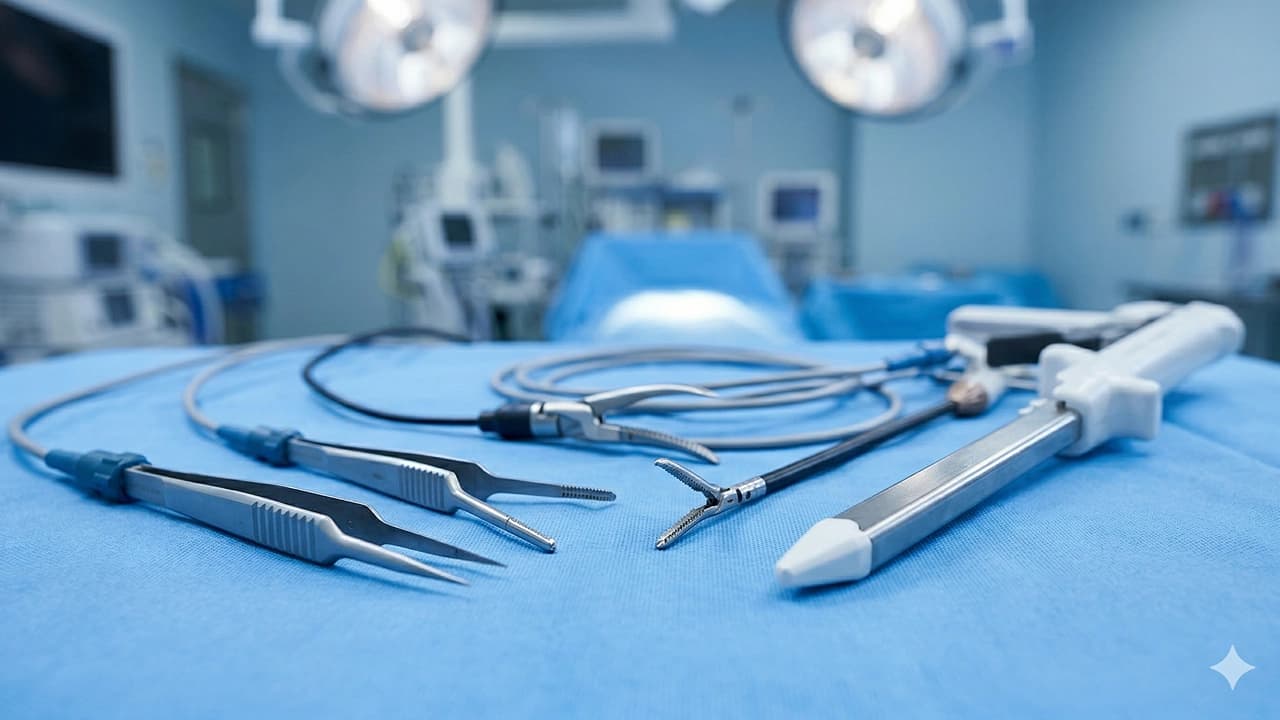
This federal antitrust case centered on the U.S. market for advanced bipolar energy devices specialized surgical instruments that deliver controlled electrical current to cut tissue and seal blood vessels during laparoscopic and open surgeries. These single-use devices are among the most critical tools in modern operating rooms, used across general, gynecological, colorectal, bariatric, and other procedures. Medtronic, Inc., the world’s largest medical device company with approximately $30 billion in annual sales, dominated this market through its LigaSure product line. Applied Medical Resources Corporation, a vertically integrated California manufacturer founded in 1987, entered the market in 2015 with its Voyant Intelligent Energy System. Applied built its business model on the belief that innovation should lower healthcare costs rather than raise them. While Applied found strong success in European markets where bundling practices faced stricter regulatory scrutiny, the company struggled to gain traction in the United States. The case went to a jury trial before Judge Wesley L. Hsu in the Central District of California, with the verdict returned on February 5, 2026.
Cause
Applied filed suit on February 14, 2023, accusing Medtronic of illegally monopolizing the advanced bipolar device market. Applied alleged that Medtronic, which controlled roughly 78% of this market, used anticompetitive bundling deals, exclusive contracts with hospitals and group purchasing organizations (GPOs), and kickback arrangements to lock out competitors. Medtronic’s bundled discount packages tied advanced bipolar devices together with monopolar instruments, surgical staplers, and other products. Hospitals that wanted discounts on the full bundle were required to purchase most or all of their advanced bipolar devices from Medtronic, effectively blocking rivals. Applied also accused Medtronic of paying GPOs like Premier fees above the industry’s voluntary 3% cap in exchange for sole-source status, and of using deceptive marketing including a brochure based on rigged testing of Applied’s device to undermine Voyant’s reputation.
Injury
Applied argued that Medtronic’s conduct shut it out of more than 70% of the advanced bipolar device market across the United States. The company pointed to dozens of hospitals including New York University, Cleveland Clinic, UCLA, Emory, UPMC, and Northwestern that told Applied they could not purchase Voyant because their bundled contracts with Medtronic made switching financially impossible. Several hospitals acknowledged Voyant’s superior performance and identified savings exceeding $1 million but still declined to switch. Applied also claimed its brand suffered lasting damage because surgeons never got the chance to evaluate its technology. In European markets, where bundling faced stricter oversight, Applied’s market share climbed as high as 40–50% in several countries evidence, Applied argued, of what open competition would look like.
Damages Sought
Applied sought monetary damages for lost profits from device sales it claimed it would have made in a competitive market, treble damages under federal antitrust law, injunctive relief to stop Medtronic’s bundling and exclusive dealing practices, attorney’s fees, and prejudgment interest.
Key Arguments and Proceedings
Legal Representation
Plaintiff: Applied Medical Resources Corporation
· Counsel for Plaintiff: Stephen C. Jensen | Stephen W. Larson | Adam B. Powell | Cheryl T Burgess | Joseph Francis Jennings | Joseph R. Re | Justin James Gillett | Ben Kaito Shiroma | Kendall Marie Loebbaka | Nicholas Matthew Zovko | Zachary B. Messick
· Experts for Plaintiff: Jonathan M. Orszag
Defendant: Medtronic, Inc.
· Counsel for Defendant: Alan B. Freedman | Robert J. Herrington | Richard Tabura | Carl Lawrence Malm | Elsbeth Bennett | George Stephen Cary | Gray W. Decker | Julia L. Gorman | Leah O. Brannon | Mark E. McDonald | Rathna Janani Ramamurthi | Steven J Kaiser | Zachary Tschida | Alysha L. Bohanon | Brian L. Stekloff | Keri Arnold | Rakesh N. Kilaru | Sarah E Neuman | Anna M. Tobin | Jenny Gassman-Pines | Mark L. Johnson | Jason L. Liang | John K. Ly | Richard R. Tabura | Robert J. Herrington | Surya Saxena
Key Arguments or Remarks by Counsel
Applied’s legal team built their case around a straightforward narrative: Medtronic used its dominance across multiple product lines including monopolar devices and surgical staplers to create bundled discount packages so large that no single-product competitor could match them. They argued hospitals were not choosing LigaSure on merit but were financially trapped by contracts that penalized them for buying from anyone else. Medtronic’s attorneys countered that its discounts represented legitimate competition and those hospitals freely chose to enter these agreements. Medtronic also argued that ultrasonic devices were reasonable substitutes for advanced bipolar devices, which would broaden the relevant market and dilute any claim of monopoly power.
Claims
Monopolization (Sherman Act, Section 2): Applied claimed Medtronic willfully acquired and maintained monopoly power in the advanced bipolar device market through exclusionary contracts and anticompetitive bundling rather than through superior products or efficiency.
Attempted Monopolization (Sherman Act, Section 2): In the alternative, Applied alleged Medtronic engaged in a deliberate scheme with a dangerous probability of achieving monopoly power if it did not already possess it.
Unreasonable Restraint of Trade (Sherman Act, Section 1): Applied argued Medtronic’s exclusive dealing arrangements with GPOs and hospitals unreasonably restrained competition and foreclosed more than 70% of the market.
Anticompetitive Bundling (Sherman Act, Section 1): Applied contended that Medtronic’s practice of conditioning discounts on purchases across multiple product categories effectively priced out equally efficient competitors.
Exclusive Dealing (Clayton Act, Section 3): Applied claimed Medtronic’s sole-source GPO agreements and hospital requirements contracts violated federal exclusive dealing prohibitions.
California Cartwright Act: Applied brought a parallel state-law restraint of trade claim under California’s antitrust statute.
Unlawful Interference and Unfair Competition: Applied also pursued California common-law and statutory claims for interference with its prospective business relationships and unfair business practices.
Defense
Medtronic denied all allegations of wrongdoing. The company argued that Applied failed to define the relevant market correctly, that ultrasonic devices competed directly with advanced bipolar devices, and that the market was broader than Applied claimed. Medtronic asserted its discounting practices were legitimate business conduct that benefited hospitals. It raised 16 affirmative defenses, including statute of limitations, lack of antitrust standing, failure to show antitrust injury, legitimate business justifications for its contracts, and the privilege of competition. Medtronic also pointed to a third-party report that attributed limited adoption of Voyant not to anticompetitive conduct but to surgeon preference for LigaSure as the superior product.
Jury Verdict
On February 5, 2026, a unanimous jury in the Central District of California returned a verdict entirely in favor of Applied Medical Resources Corporation. The jury found that Applied proved the existence of a properly defined relevant antitrust market for advanced bipolar devices in the United States. The jury selected the narrowest market definition advanced bipolar devices alone rejecting Medtronic’s argument that ultrasonic devices or robotics should be included.
The jury answered “Yes” on every liability question. It found that Medtronic unlawfully monopolized the relevant market in violation of Section 2 of the Sherman Act, unlawfully attempted to monopolize the same market, unreasonably restrained trade in violation of Section 1 of the Sherman Act, and violated Section 3 of the Clayton Act through exclusive dealing. The jury also found Medtronic violated the California Cartwright Act.
The jury awarded Applied $381,705,005 in damages. The case was tried before the Honorable Wesley L. Hsu in the U.S. District Court for the Central District of California.
Court documents are available upon request at [email protected]