
The Underlying Lawsuit: A Dispute Over Insurance Bad Faith
At the heart of this case is a bad faith insurance lawsuit filed by Matthew and Monica Dawkins against Allstate Vehicle & Property Insurance Company which stemmed from a significant water damage claim that the Dawkins submitted for their Houston home on January 9, 2023. Despite having an active insurance policy with Allstate, they allege that the company failed to properly investigate, undervalued the damage, and wrongfully denied full payment.
In their amended complaint, the plaintiffs accuse Allstate of:
- Breach of contract by failing to pay out the policy benefits for a covered loss.
- Bad faith insurance practices by delaying and unfairly denying the claim.
- Deceptive trade practices by misrepresenting policy coverage and handling the claim unfairly.
- Violations of the Texas Insurance Code including failing to properly investigate and settle in good faith.
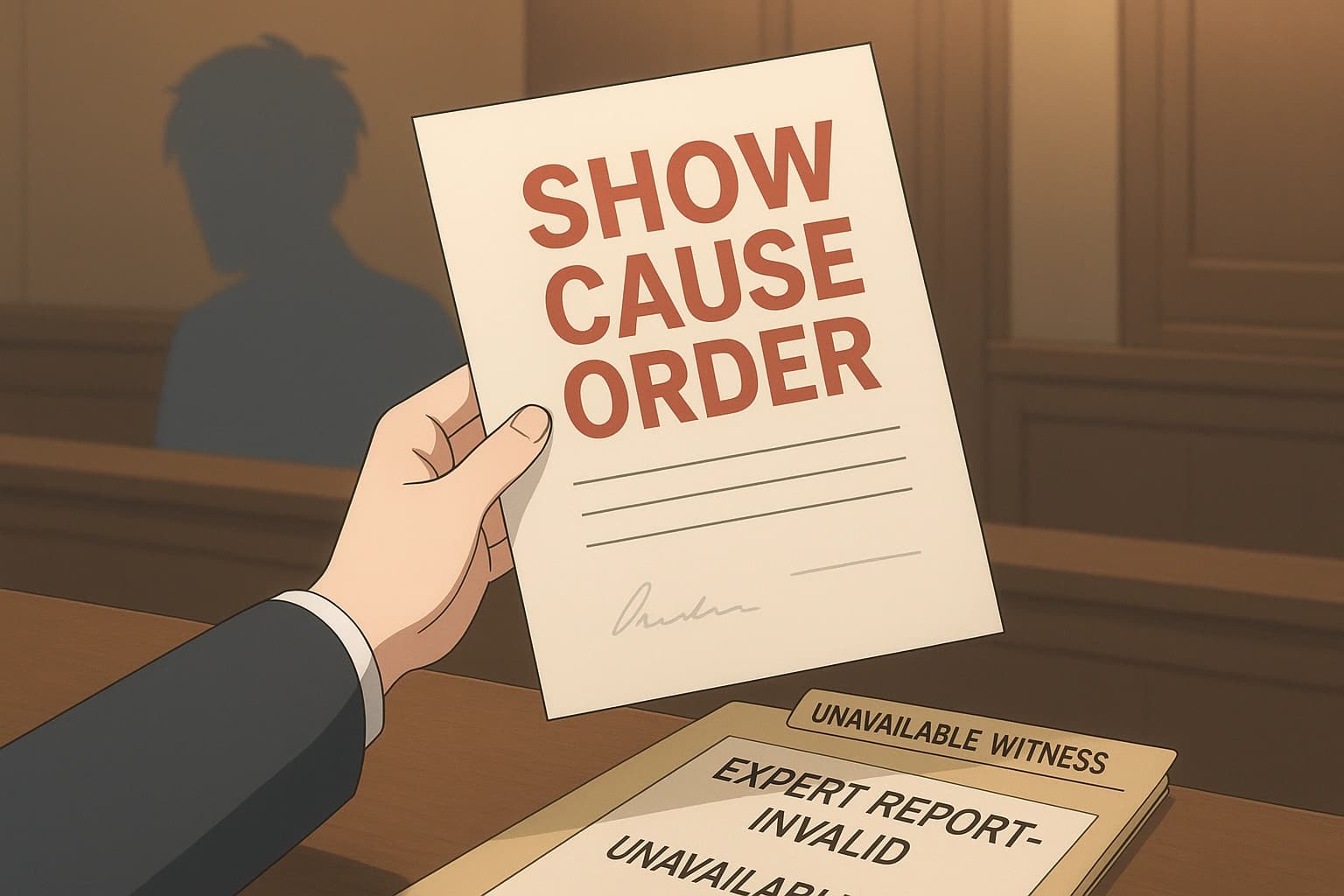
The lawsuit seeks compensatory damages, attorney’s fees, and punitive damages to hold Allstate accountable for its alleged misconduct. However, the case took an unexpected turn when the plaintiffs’ attorney submitted an expert witness report from a deceased individual, shifting the court’s focus from the alleged bad faith to possible attorney misconduct.
The Ethical Breach: Filing an Expert Report from a Deceased Witness
The show cause order issued by the court stems from the plaintiffs’ attorney submitting an expert witness report from an individual who was deceased at the time of filing. This revelation raises serious questions about the attorney’s handling of expert designations and their duty of candor to the court.
The court’s order suggests concerns about whether the attorney:
- Knew that the expert was deceased before submitting the report.
- Failed to verify the expert’s availability before filing the report.
- Accurately disclosed the circumstances surrounding the expert’s testimony.
The implications are significant. Federal courts rely on expert testimony to evaluate complex claims, particularly in cases like this one, which involves alleged bad faith insurance practices. An expert must be available for deposition, cross-examination, and clarification of their findings. A report from a deceased expert is inherently unreliable because it cannot be tested in court, raising potential due process concerns for the opposing party.
The court’s demand for an explanation indicates a potential violation of professional ethics and procedural rules. If the attorney knowingly misrepresented the expert’s availability or failed to properly vet the expert’s status, they could face sanctions, disciplinary action, or other professional consequences.
This development not only impacts the attorney but also jeopardizes the plaintiffs’ case by undermining the credibility of their claims and key evidence. The court’s next steps will determine whether this was a procedural oversight or a serious ethical breach.
The Broader Legal and Ethical Implications
The submission of an expert report from a deceased witness is more than just a procedural misstep—it raises fundamental questions about legal ethics, attorney conduct, and the integrity of the judicial process.
Duty of Candor to the Court
Attorneys have a professional and legal obligation to be truthful and transparent in their representations before the court. Rule 3.3 of the ABA Model Rules of Professional Conduct requires lawyers to avoid making false statements of fact or law and prohibits the submission of misleading evidence. Filing a report from an expert who is no longer available for cross-examination may constitute fraud upon the court, particularly if the attorney failed to disclose the expert’s passing.
Consequences for the Attorney
If the court determines that the attorney knowingly or recklessly filed a misleading expert report, possible consequences include:
- Court Sanctions – The judge may impose monetary fines, case penalties, or an order striking the expert report from the record.
- State Bar Disciplinary Action – The attorney could face ethics complaints, suspension, or even disbarment for misconduct.
- Disqualification from the Case – The court may remove the attorney, forcing the plaintiffs to seek new representation.
- Possible Civil Liability – If the plaintiffs relied on the attorney’s actions and suffered harm, they could pursue a malpractice claim.
Impact on the Plaintiffs’ Case
Beyond the attorney’s personal liability, the Dawkins’ lawsuit against Allstate could suffer significant setbacks, including:
- Exclusion of the Expert Report, weakening their claims against Allstate.
- A credibility crisis, giving Allstate grounds to argue that the plaintiffs’ case is built on unreliable evidence.
- Possible dismissal of key claims, if the court determines that the plaintiffs’ legal team acted in bad faith.
The Ethical Dilemma of Unauthorized Expert Witness Designations
The improper designation of expert witnesses—without their knowledge or permission—is an increasingly pervasive issue in litigation, raising significant ethical and legal concerns. Some attorneys, in an effort to save costs, strengthen their case posture, or pressure opposing parties into settlement, will list an expert as a designated witness without ever consulting them or obtaining their agreement. This exploits the perceived credibility of expert testimony while hoping the case settles before the expert is ever called to testify, thereby avoiding the financial obligation of compensating them.
This issue is particularly troubling because expert witnesses play a critical role in the legal process. Courts and juries rely on their specialized knowledge to clarify complex issues, from medical malpractice cases to forensic analysis in criminal trials and financial disputes in civil litigation. When an attorney improperly designates an expert, it not only undermines the expert’s professional autonomy but also creates a false impression of the strength of a party’s case.
Why Attorneys Engage in This Practice
There are several reasons why some attorneys resort to designating experts without their knowledge:
- Cost Avoidance – Many experts require upfront retainer fees and hourly compensation for consultations, depositions, and trial appearances. By falsely designating an expert, an attorney can inflate the perceived credibility of their case while avoiding the expense of actually retaining them.
- Strategic Litigation Tactics – In high-stakes cases, simply listing a well-regarded expert can intimidate the opposing party into believing that compelling expert testimony will be presented at trial. This can pressure settlements without ever having to utilize the expert’s services.
- Deliberate Misrepresentation – In some instances, attorneys knowingly submit expert reports or designations without permission, hoping that the opposing side won’t challenge the designation or that the case will resolve before the deception is uncovered.
- Judicial Oversight Gaps – Courts rely on attorneys to act ethically when submitting expert designations, but they do not routinely verify whether an expert has actually agreed to testify. This allows some attorneys to exploit procedural loopholes, knowing they may not get caught unless the opposing party specifically challenges the designation.
The Consequences of Unauthorized Expert Designations
The practice of falsely designating an expert witness carries serious repercussions for attorneys, experts, and the broader legal system:
- For Attorneys: If exposed, an attorney may face court sanctions, disciplinary action from the state bar, and potential malpractice claims from their own clients. Courts have the authority to strike the expert from the case, impose monetary penalties, or in severe cases, refer the attorney for professional misconduct investigations.
- For Experts: Being falsely designated in a case can damage an expert’s professional reputation and credibility in the legal community. Opposing parties may attempt to discredit the expert even though they were never consulted, and future opportunities may be jeopardized.
- For the Legal System: Unauthorized designations waste judicial resources, undermine the integrity of litigation, and create unfair advantages. Courts rely on expert testimony to resolve technical disputes fairly, and fraudulent or misleading expert designations disrupt this process.
How Experts Can Protect Themselves
Experts need to be proactive in safeguarding their names and professional reputations from being misused by unethical attorneys. Here are several steps they can take:
- Regularly Monitor Court Filings – Experts should periodically search court dockets for their names to ensure they have not been designated in cases without their consent.
- Require Written Retainers and Contracts – Before agreeing to serve as an expert, they should insist on a written agreement specifying the scope of engagement, compensation terms, and authorization for designation.
- Clarify Engagement Terms in Writing – Experts should make it explicit in their contracts that they must approve any designation before being listed as a witness in legal proceedings.
- Send Cease-and-Desist Notices – If an expert becomes aware that they were designated without consent, they should immediately contact the attorney and demand removal from the case. A formal cease-and-desist letter may be necessary in cases of repeated offenses.
- Report Ethical Violations – Experts who discover that their name was fraudulently used in court filings can file a grievance with the state bar association, which may lead to disciplinary action against the attorney. They may also notify the presiding judge in the case, who has the authority to sanction or reprimand the offending lawyer.
What Courts and Bar Associations Can Do
Experts need to be proactive in safeguarding their names and professional reputations from being misused by unethical attorneys. Here are several steps they can take:
- Regularly Monitor Court Filings – Experts should periodically search court dockets for their names to ensure they have not been designated in cases without their consent.
- Require Written Retainers and Contracts – Before agreeing to serve as an expert, they should insist on a written agreement specifying the scope of engagement, compensation terms, and authorization for designation.
- Clarify Engagement Terms in Writing – Experts should make it explicit in their contracts that they must approve any designation before being listed as a witness in legal proceedings.
- Send Cease-and-Desist Notices – If an expert becomes aware that they were designated without consent, they should immediately contact the attorney and demand removal from the case. A formal cease-and-desist letter may be necessary in cases of repeated offenses.
- Report Ethical Violations – Experts who discover that their name was fraudulently used in court filings can file a grievance with the state bar association, which may lead to disciplinary action against the attorney. They may also notify the presiding judge in the case, who has the authority to sanction or reprimand the offending lawyer.
Safeguards by Courts and Bar Associations
To prevent this issue from continuing unchecked, courts and legal regulatory bodies should take proactive measures, including:
- Requiring Signed Expert Declarations – Courts could mandate that all expert witness designations include a signed statement from the expert confirming their willingness to testify.
- Increasing Scrutiny of Designations – Judges should encourage opposing counsel to verify expert availability early in the litigation process, ensuring that improper designations are caught before trial.
- Enforcing Stricter Disciplinary Actions – State bar associations should actively investigate complaints from experts and impose harsh penalties for attorneys found to be engaging in deceptive expert designations.
Conclusion
The practice of falsely designating expert witnesses without consent is an unethical and deceptive tactic that undermines the integrity of the legal system. Attorneys who engage in this practice risk severe professional consequences, while experts who unknowingly find themselves listed in legal cases can suffer reputational harm and financial loss. Experts must remain vigilant, demand proper contracts, and take swift action if their name is misused. Courts and bar associations must also step up enforcement to ensure that expert witness designations remain credible and legitimate—protecting both the legal profession and the pursuit of justice.