Florida Rules Governing Expert Witness Disclosures and Testimony
Florida strikes a balance between rigorous expert admissibility standards and practical discovery procedures, ensuring reliable testimony without unnecessary rigidity
Expert insights, legal technology trends, and best practices for working with expert witnesses

Florida strikes a balance between rigorous expert admissibility standards and practical discovery procedures, ensuring reliable testimony without unnecessary rigidity

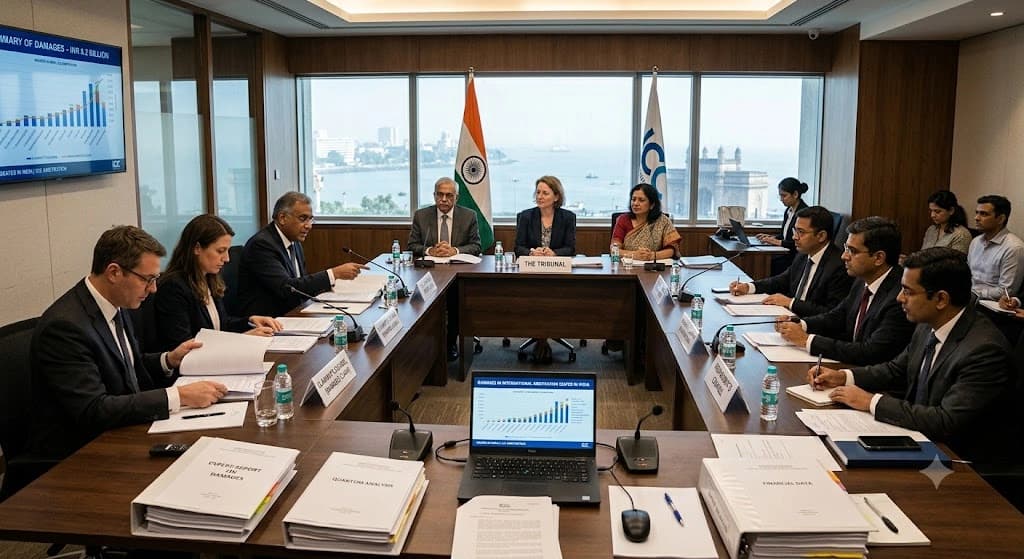
Liability is rarely where a high-value international arbitration seated in India is decided anymore — it is decided on quantum: whether a tribunal accepts a discounted cash flow, how it prices interest across three separate clocks, and how much a court can still touch once the number is signed. This analysis maps the law and the practice behind that number.

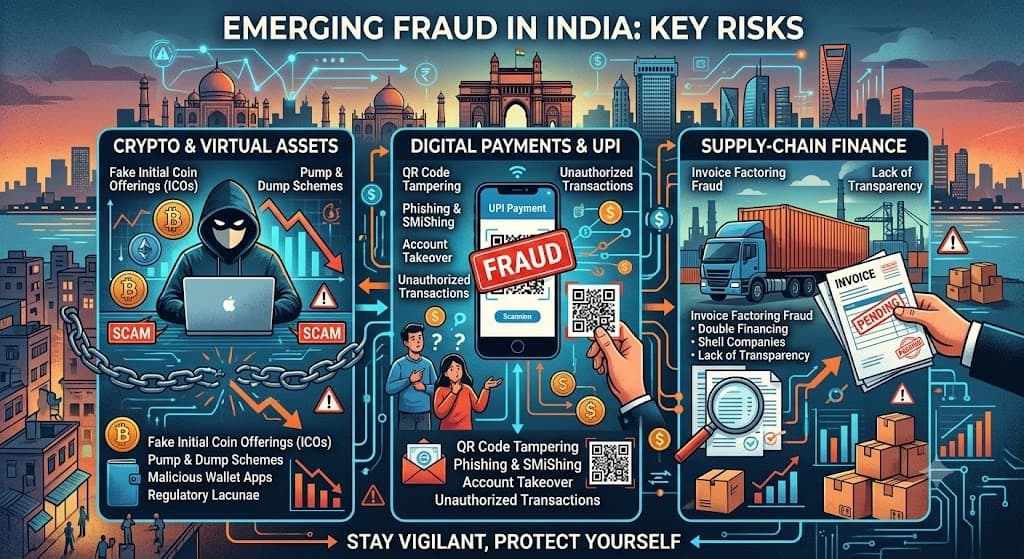
India lost an estimated ₹22,495 crore to cybercrime in 2025, and the fraud typologies driving that number have shifted fast — from AI-scripted crypto scams to deepfake voice fraud on UPI to shell-firm networks siphoning GST credit through supply chains. This analysis maps the three fronts where emerging fraud is moving fastest in India, and what that shift means for the lawyers and expert witnesses who end up reconstructing it.

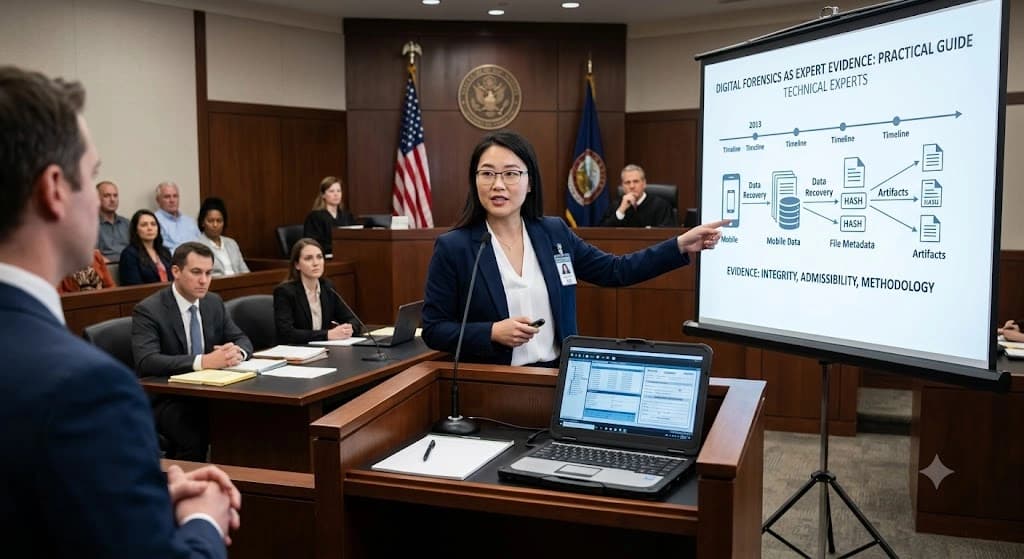
Almost every commercial dispute in India now turns on a WhatsApp thread, an email server, a deleted file, or a tampered spreadsheet. This guide sets out how digital forensic evidence is collected, certified, and tested in Indian courts, tribunals, and arbitrations — and what attorneys need to get right before the evidence ever reaches a hearing room.

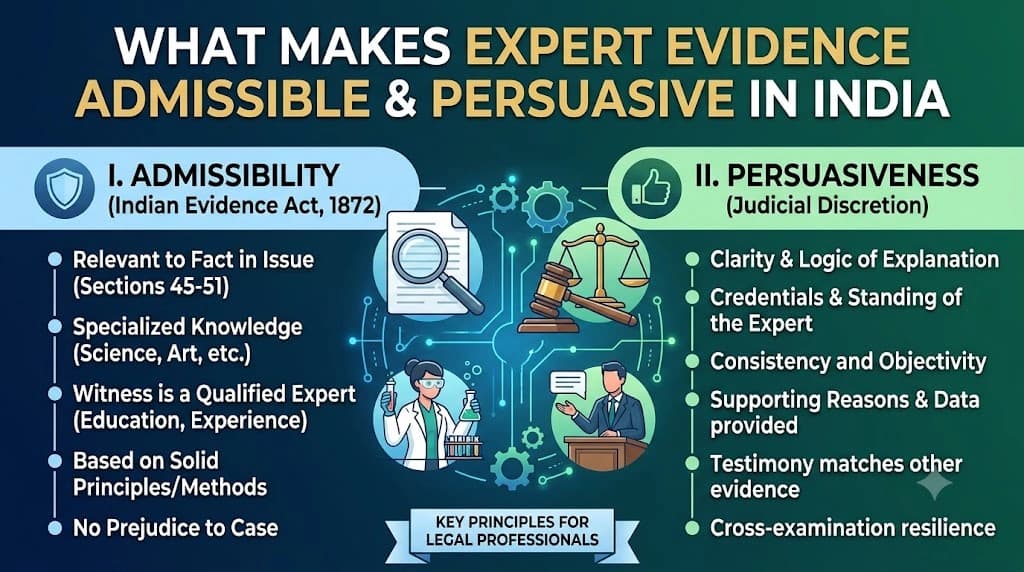
An engineer's site report, a forensic auditor's tracing exercise, a digital forensics certificate — none of it moves a court or an arbitral tribunal in India unless it clears two separate hurdles that litigators routinely collapse into one. This explainer sets out what actually makes expert evidence admissible in India, why admissibility and persuasiveness are governed by different tests entirely, and what attorneys instructing a technical expert need to get right before the report is ever filed.

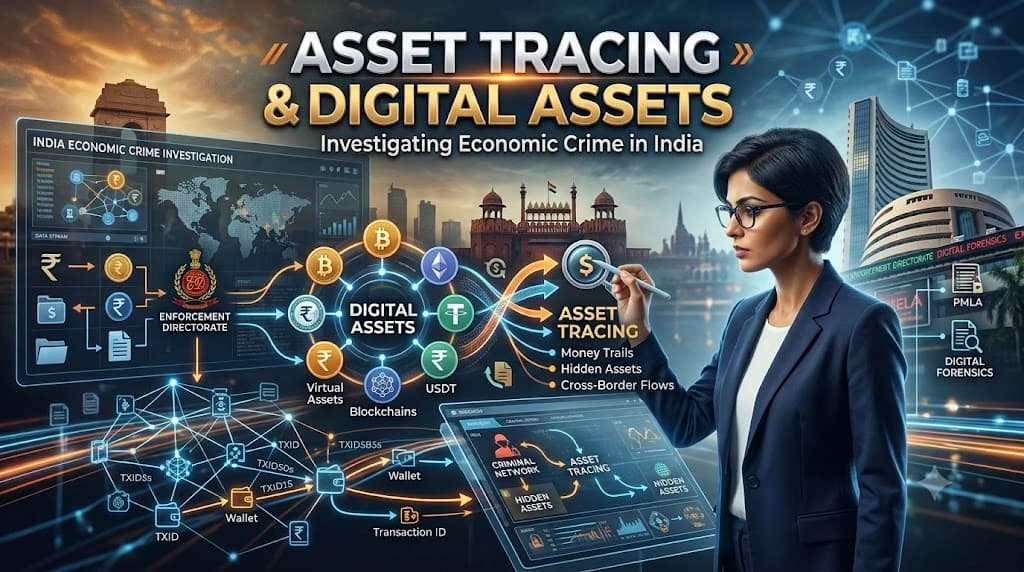
Asset tracing in India has moved from bank statements and shell-company registers to blockchain explorers and offshore exchange logs. As crypto fraud, hawala-linked laundering and cross-border shell structures converge, investigators, forensic accountants and attorneys need to understand how a digital trail is actually built, contested and proven in an Indian court or tribunal.

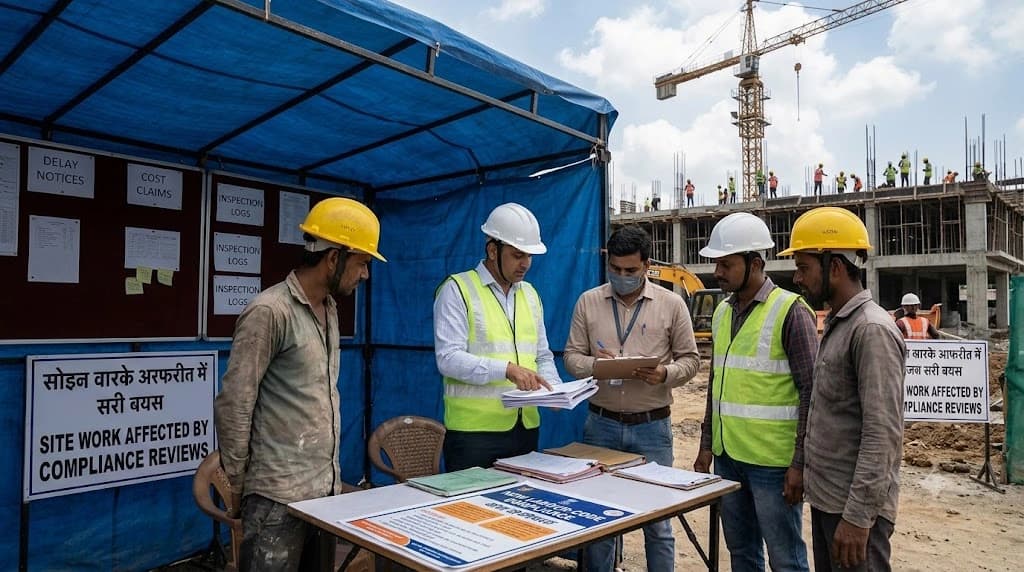
India's four new labour codes came into force on 21 November 2025, and the final central rules followed on 8 May 2026. For construction and infrastructure contracts priced years before either date, the changes to wage definitions, contract-labour licensing and welfare-cess administration are turning into real money — and real time — on site. This is the shape of the disputes now forming. Construction contracts in India run long. A highway EPC contract signed in 2021, a metro package tendered in 2022, a real-estate joint development agreement from 2023 — all of these were priced against a labour-law framework that has, in the space of the last eight months, been rewritten. The Code on Wages, 2019, the Industrial Relations Code, 2020, the Code on Social Security, 2020, and the Occupational Safety, Health and Working Conditions Code, 2020 together replace 29 central labour statutes. They took legal effect on 21 November 2025. The Ministry of Labour and Employment then pre-published draft central rules on 30 and 31 December 2025, and notified the final Code on Wages (Central) Rules, Social Security (Central) Rules, Occupational Safety, Health and Working Conditions (Central) Rules, and Industrial Relations (Central) Rules on 8 May 2026. For most sectors, this has meant a payroll and HR compliance exercise: redesigned salary structures, new appointment-letter formats, updated statutory registers. For construction — an industry that runs on contract labour, migrant workers, multi-state mobilisation and fixed-price or unit-rate contracts signed years in advance — it is turning into something more consequential. Contractors are now assembling change-in-law claims. Employers are recalculating cost-to-company for site labour mid-project. And principals are receiving notices that were unthinkable eighteen months ago, all traceable to the same root cause: the law governing the cost of labour changed after the contract price was fixed, and nobody agreed on who absorbs the difference. This is not a forecast. It is already happening, and it will accelerate through the second half of 2026 as more contractors work through their existing order books against the new compliance baseline.


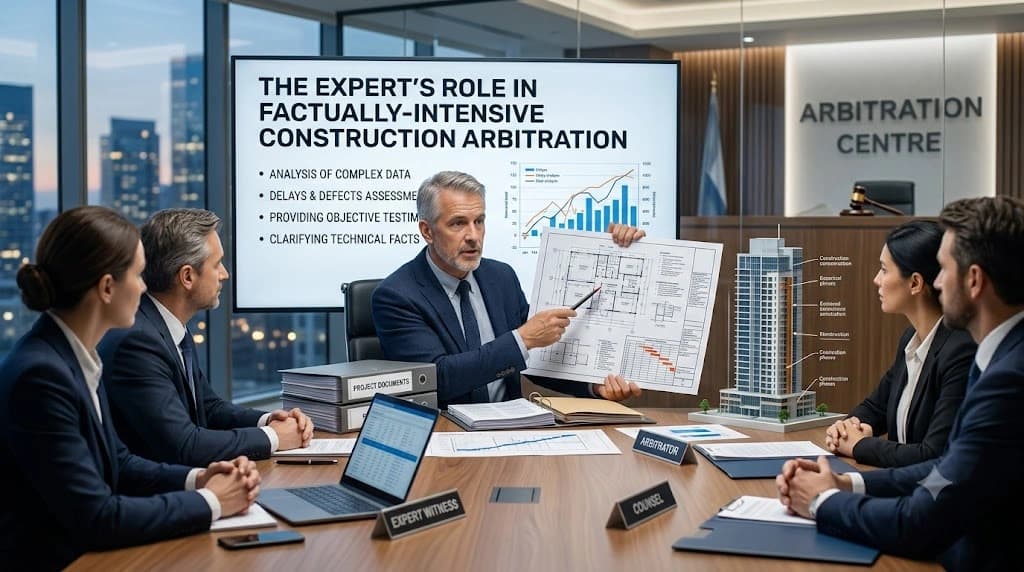
Construction arbitration in India is won and lost on facts, not doctrine — delay sequences, disruption costs, defect causation, and quantum. This explainer sets out how experts function inside that fact-finding process, what the law actually allows tribunals to do with expert evidence, and why getting the expert input right the first time matters more in India than in most other jurisdictions.

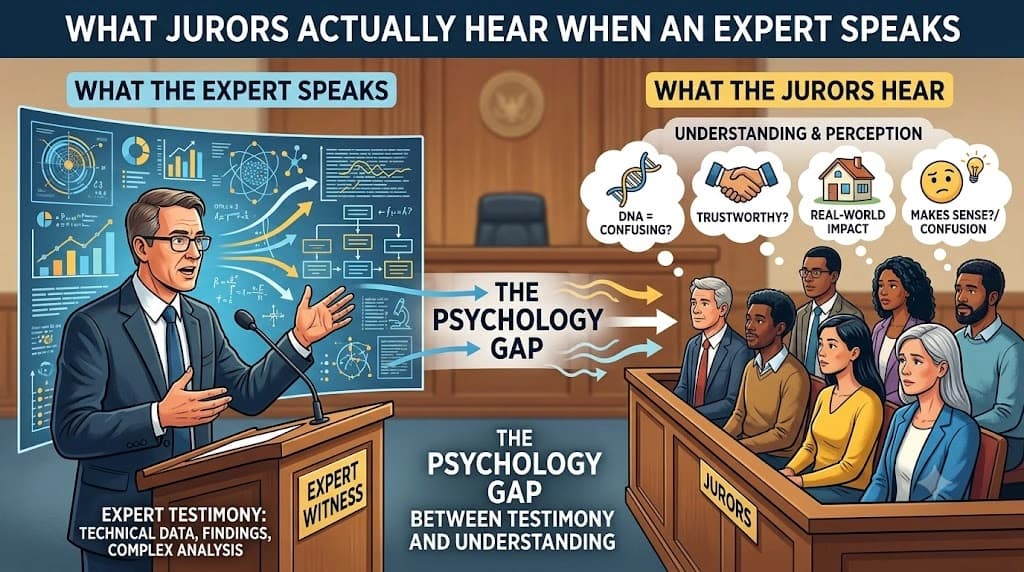
A financial expert once stood before a jury, walked them through a rigorous damages calculation, cited every assumption, defended every methodology choice, and checked every box Rule 702 requires. When he finished, he overheard a juror mutter something that should unsettle every expert witness who has ever prepared a report: “If you’re such an expert, why can’t I understand what you’re telling me?” That single sentence contains the entire problem this article is about. Expert testimony is built, tested, and admitted according to standards of scientific reliability, methodological rigor, and qualification. But it is not received that way. It is received by twelve people who are, in the words of one physician who has spent three decades on the stand, operating with “no medical knowledge except their own interactions with their own doctors, which might not be good.” The expert’s job is not simply to be right. It is to be understood, believed, and remembered by people whose brains are processing testimony nothing like the way the expert processes their own data. This article draws on conversations from On The Stand with Ashish Arun, featuring a forensic accountant, a trial lawyer, a supply chain professor, a pain management physician, a colorectal surgeon, a medical billing and compliance expert, and a law professor who studies evidence for a living. Their fields could not be more different, yet their conclusions about what actually happens inside a juror’s mind converge with striking consistency.